Politics
Senate Clears Final Hurdle for Sweeping Permitting Bill, Setting Up a Final Vote as Soon as Thursday Night
The Senate voted 65-31 on Wednesday to end debate on the Bipartisan American Affordability and Jobs Act, the biggest rewrite of federal permitting law in a generation, with a final passage vote expected Thursday night.
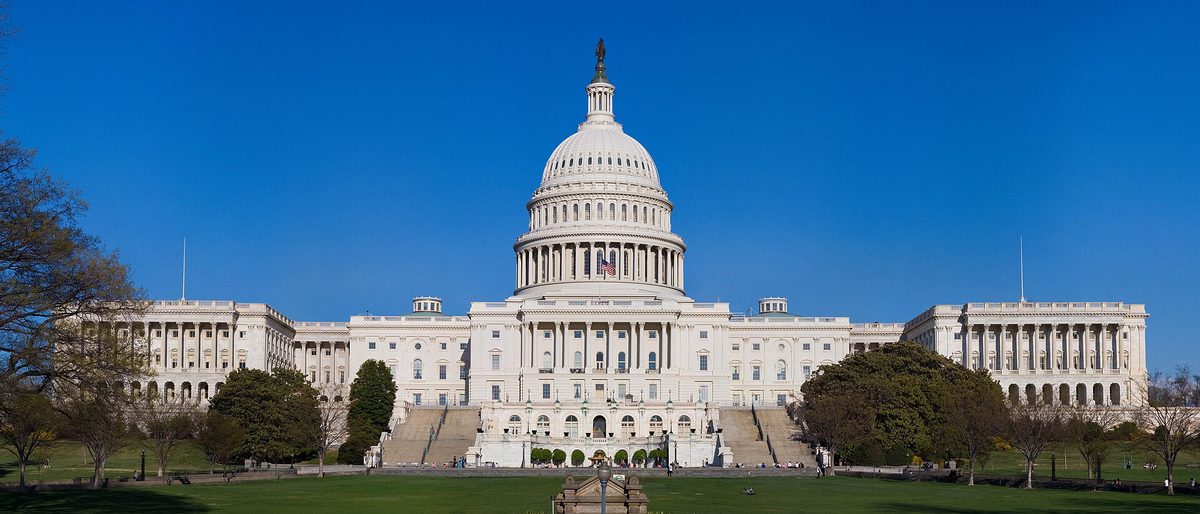
The United States Senate on Wednesday cleared the final 60-vote hurdle for the Bipartisan American Affordability and Jobs Act, voting 65-31 to invoke final cloture and moving the biggest rewrite of federal permitting law in a generation toward passage. The vote, Roll Call 268, ended at 2:30 p.m. ET on Wednesday, November 18, 2026, following a 73-25 vote on November 9 and a 70-27 vote on November 16.
With cloture invoked, the BAAJA permitting bill needs only 51 votes to pass. The final vote is expected at about 8:30 p.m. ET on Thursday, November 19, although Bloomberg Law has reported it could slip to early Friday. The bill then goes to the House, which must act before the current Congress ends in January 2027. If the House passes it as written, it goes to the president for signature.
Wednesday's vote was the third and final cloture test, and the closest of the three. The first passed 73-25 on November 9; the second, on the Capito substitute, passed 70-27 on November 16. Earlier on Wednesday, the Senate adopted the sponsors' substitute amendment, SA 6883, by 69-27, after voting 70-26 to waive a budget point of order from Sen. Jeff Merkley of Oregon. The 494-page substitute was released on November 7.
Five senators who had backed the bill earlier switched to no on Wednesday: Jon Ossoff of Georgia, Richard Blumenthal of Connecticut, Andy Kim of New Jersey, Gary Peters of Michigan and Jeanne Shaheen of New Hampshire. Only Senators Mike Rounds of South Dakota and Josh Hawley of Missouri voted no on the Republican side, while independent Senator Bernie Sanders of Vermont joined them. More than a dozen Democrats still voted yes, preserving the bipartisan coalition behind sponsors Shelley Moore Capito, Sheldon Whitehouse, Mike Lee and Martin Heinrich.
The pattern of the votes tells the story of a coalition narrowing as the bill nears passage. Since the first cloture vote on November 9, almost everyone in the Senate Republican caucus has voted in favor of the bill. Rounds is the only Republican to vote no in every roll call, while Hawley, who opposes the bill's transmission provisions, started out voting yes but voted no on Wednesday. On the Democratic side, 14 Democrats or those who caucus with them never voted against the bill, while 25 have voted against it at every opportunity, including Sanders, Elizabeth Warren, Ed Markey and Ron Wyden.
The bill rewrites the rules for how long federal agencies can take to approve energy and infrastructure projects, and how long opponents have to challenge them in court. It sets a two-year deadline for full environmental impact statements and a one-year deadline for shorter assessments, and narrows the window for legal challenges under the National Environmental Policy Act to 150 days. It also rewrites parts of the Clean Water Act, the Endangered Species Act and the National Historic Preservation Act, and gives the Federal Energy Regulatory Commission new authority over interstate transmission lines.
Large data centers would have to pay the incremental grid costs they create, rather than passing them to households and other businesses — a provision aimed at shielding residential ratepayers from the cost of connecting artificial intelligence data centers to the grid. The substitute also drops two provisions Tribal nations opposed most: a federal definition of sacred places and an Interior takeover of Tribal Historic Preservation Office functions, although objections to the rewrite of the law governing historic preservation reviews remain.
Supporters argue the current permitting system is broken and that the United States cannot build the energy infrastructure it needs under rules written for a slower era. Senator Whitehouse, a Democratic sponsor, has argued that faster permitting could save consumers about $60 to $80 a month. President Donald Trump has endorsed the bill, while saying he will not approve wind turbines. "No, I will not approve wind turbines," he said.
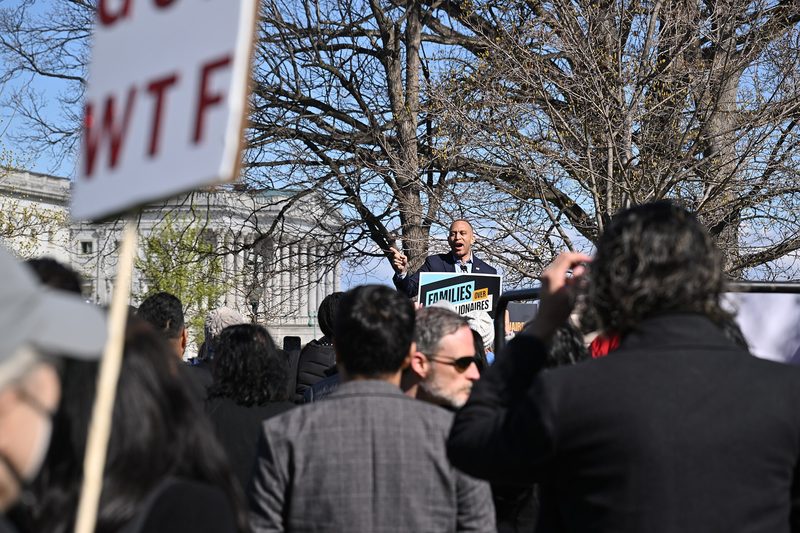
Critics, including environmental groups and some Democrats, say the bill weakens protections for communities, wildlife and historic sites, and was rushed through a lame-duck session without a public hearing. The National Congress of American Indians urged a no vote on November 8, and Merkley has noted that the bill never received a public hearing in either chamber.
The politics of the bill have cut across the usual lines. Senator Brian Schatz of Hawaii, a self-described climate hawk, has signaled he will vote yes on final passage, according to Punchbowl. Whitehouse and Heinrich argue that the bill — because it will speed up permitting, especially for transmission lines, and put clean energy on something closer to an even footing with fossil fuels — is good for the climate. But it is also opposed by a handful of senators who have defined themselves by their support for aggressive climate policy, including Markey and Sanders, and by Senator Tina Smith of Minnesota, who says she is "firmly opposed" because of what the bill could mean for mining projects near the Boundary Waters Canoe Area Wilderness.
The bill has moved unusually fast for its size in the lame-duck session. The Senate's first major action after the midterm elections was the 73-25 cloture vote on November 9, and Republicans are hurrying to finish the agenda before Democrats take control in January. The White House strongly supports passage. If the Senate passes the bill on Thursday night, the fight moves to the House, where it faces opposition from several Democratic lawmakers, including the Congressional Progressive Caucus, and where leaders are expected to take up the measure before Congress adjourns its lame-duck session.
Why it matters: BAAJA is the most consequential bill of the lame-duck session, and the vote count shows why it is also the most divisive. A bipartisan coalition built it, but that coalition is fraying: five Democrats flipped to no on the final procedural vote, and the House — which Democrats will control in January — is where the bill faces its hardest test. The substance is a genuine rewrite of how America builds things: two-year deadlines, a 150-day window for lawsuits, and data centers paying their own grid costs. The politics are a preview of the next Congress: climate hawks split between those who see faster transmission as the path to clean energy and those who see weakened environmental laws as too high a price. Thursday night's vote will settle the Senate's part; the House will decide whether the bill becomes law.
Reporting: US News Pulse · Heatmap News
Spot an error? Orbit News corrects articles promptly and notes the correction in the article. See our Editorial Policy, or flag an error by messaging us on Facebook, X, or Instagram.
Related from Orbit News

Trump, Xi and Putin Hold First-Ever Trilateral Summit in Shenzhen, Pledging Nuclear Talks and More Oil
Politics · Nov 19, 2026
Hegseth Signs Military Cooperation Deal With Venezuela, Calling It a 'Compliant Security Partner'
Politics · Nov 19, 2026