U.S. News
Mamdani Unveils Plan to Close Rikers Island by 2032, Five Years Past the Legal Deadline
New York City's mayor released the city's first comprehensive plan to shutter the notorious jail complex, replacing it with four borough-based jails and cutting the jail population by more than a third.
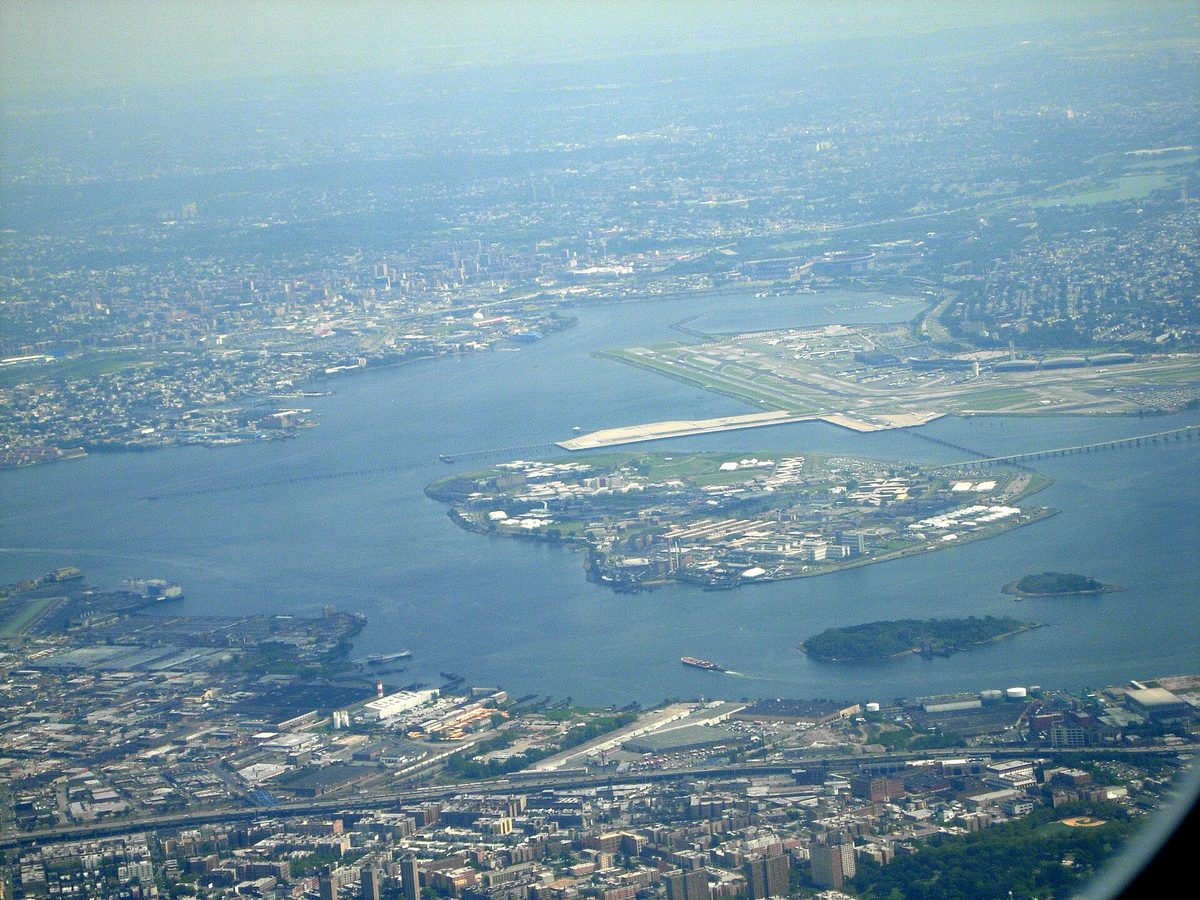
New York City Mayor Zohran Mamdani on Friday unveiled his plan to close the Rikers Island jail complex by 2032, five years after a previously set deadline, and replace it with four borough-based jails, expanded mental health care and re-entry programs. The plan, the city's first comprehensive roadmap for closing Rikers, was released at a City Hall news conference on Friday morning.
The timeline is the plan's most contentious element. The city is legally required to close Rikers by August 2027 under legislation passed by the City Council in 2019, but Mamdani acknowledged the city will miss that deadline and asked the Council to push it back to 2032. Under his plan, the first borough-based jail, in downtown Brooklyn, would open in 2029, followed by facilities in Queens and the Bronx in 2031, and Manhattan in 2032, each step moving people off the island in the East River near LaGuardia Airport.
The plan hinges on shrinking the jail population sharply. Rikers Island currently holds about 6,600 people, and the mayor's plan calls for that population to fall to 5,500 by the time the Brooklyn facility opens, and to 4,100 by 2032. That is a reduction of about 2,500 people, or roughly 38 percent, from today's population to the number of beds the four new jails can hold.
Mamdani said he would achieve the reduction by creating new alternatives to incarceration, improving job and housing opportunities to lower arrest and detention rates, and moving cases through the courts faster to cut the backlog. The plan also seeks to reduce the number of people held in pretrial detention, expand diversion and supervised release programs, restore the online bail payment system, and expand housing and social services to prevent repeat offending.
Mental health care is central to the plan. Mamdani's proposal would install 236 new therapeutic beds in hospitals for incarcerated people with serious mental health needs, on top of the 106 his administration has already opened, and invest $146 million over the next fiscal year in mental health care, substance use treatment, education, job training and services for crime victims. The beds are aimed at people whose medical and psychiatric needs the jail complex has repeatedly failed to meet.
The mayor framed the plan as a moral obligation as much as a logistical one. For decades, Rikers Island has stood as a symbol of the failures of the criminal legal system, Mamdani said, adding that his administration is determined to meet its moral and legal obligation to close Rikers Island once and for all. At the news conference he added: What will make this chapter different is our commitment to see it through, to chart a new path of public safety that endures, and to keep our promises where so many have been broken before.
Rikers has been under a cloud for years. The complex has long been criticized for violent conditions that put staff and inmates at risk, and a federal judge last year took control of the jail away from city officials and gave it to an independent remediation manager, citing the city's failure to improve factors that have led to dozens of deaths in custody over the past decade and thousands of use-of-force incidents each year. Mamdani said his closure plan was developed and will be carried out in consultation with that remediation manager.
The proposal builds on a plan first championed by former Mayor Bill de Blasio, which called for building four new borough-based jails closer to courthouses, public transportation and the communities where incarcerated New Yorkers live. But the construction has run years behind schedule, costs have climbed to roughly $16 billion, and the delays, along with the COVID-19 pandemic and what Mamdani called his predecessor's de-prioritization of the project, have made the 2027 deadline impossible to meet.
The plan now goes to the City Council, which will have to pass legislation to legally extend the deadline into 2032. Mamdani is likely to face opposition from local communities around the new jail sites and from the union representing correction officers, which has consistently pushed to keep Rikers open. Whether the Council agrees to a five-year delay, and whether the population can actually be cut to 4,100 people, will decide whether this plan succeeds where two decades of promises have not.
Why it matters: The Rikers plan matters because it finally puts a date and a mechanism on a promise New York has made and broken for decades — and because the date is five years late. The legal deadline of August 2027 was set in 2019, and missing it is now a fact, not a risk. The real test is not the 2032 date but the population math: the four borough jails hold 4,100 beds, so the city must find a way to hold 2,500 fewer people, through diversion, faster courts and fewer pretrial detentions, or the new jails will simply overflow. If Mamdani can do that, the closure is real; if he cannot, 2032 becomes another deadline to move.
Spot an error? Orbit News corrects articles promptly and notes the correction in the article. See our Editorial Policy, or flag an error by messaging us on Facebook, X, or Instagram.
Related from Orbit News

Thanksgiving Travel to Dip Slightly as 81.5 Million Americans Hit the Road and Skies
U.S. News · Nov 21, 2026
Jury Convicts Jonathan Rinderknecht of Starting the Deadly Palisades Fire
U.S. News · Nov 21, 2026