U.S. News
Thanksgiving Travel to Dip Slightly as 81.5 Million Americans Hit the Road and Skies
AAA projects 81.5 million Americans will travel at least 50 miles from home for Thanksgiving, ending a three-year run of record holiday travel as higher gas prices and airfares take a toll.

AAA projects 81.5 million Americans will travel at least 50 miles from home for Thanksgiving, a slight dip that would end three straight years of record holiday travel. The forecast covers the seven-day travel period from Tuesday, November 24, through Monday, November 30, and puts this year about 121,000 travelers below last year, a decline of 0.1 percent. AAA said the small drop would end three years of record-setting Thanksgiving travel that followed the COVID-19 pandemic.
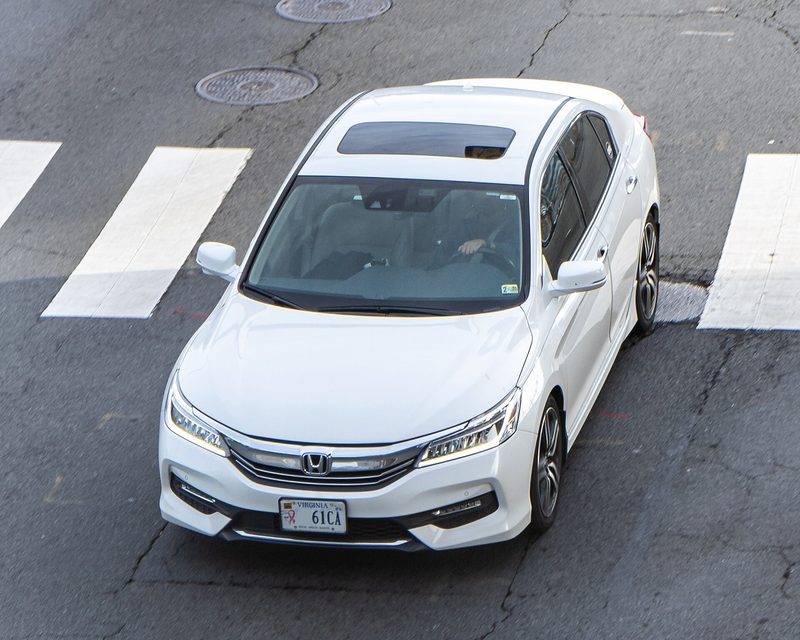
Most travelers will drive. AAA projects 72.9 million Americans will take road trips for the holiday, down slightly from 73.1 million last year, meaning nearly nine in 10 Thanksgiving travelers will go by car. The auto club blamed higher travel costs for the leveling off, noting that gas prices set record monthly highs in August, September and October. Regular gasoline averaged $3.82 a gallon on the Sunday before the forecast was published, compared with $3.08 a year earlier, and if prices hold, this Thanksgiving could be the most expensive ever at the pump, passing the previous Thanksgiving Day record of $3.58 set in 2022.
Flying will also be slightly lighter and considerably pricier. AAA projects 5.96 million Americans will take domestic flights for Thanksgiving, down 0.2 percent from last year, while round-trip domestic flights booked through AAA are averaging $800, up 17 percent from last Thanksgiving. Domestic hotel bookings are averaging $615 per stay, up 5 percent. Airfares were more than 22 percent higher in September than in the same month a year earlier, according to the most recent government data, and aviation analytics firm Cirium said Thanksgiving flight bookings were running 1.6 percent behind last year as of late October.
The one part of the forecast still growing is travel by bus, train and cruise ship. About 2.6 million Americans will use those modes, an increase of about 4.1 percent from last year, making it the fastest-growing part of the national forecast. AAA said cruise travel continues to fuel that growth, and its 2027 cruise forecast projects a record number of Americans taking cruise vacations.
Timing will matter more than usual this year. INRIX, the transportation data provider, expects Tuesday and Wednesday before Thanksgiving to be the busiest departure days, with Sunday and Monday producing the heaviest return traffic, and afternoon and early-evening trips facing the worst congestion. The worst windows run from 2 p.m. to 8 p.m. on Tuesday, November 24, and noon to 7 p.m. on Wednesday, November 25. Orlando, Fort Lauderdale and Miami are the top three domestic destinations for Thanksgiving flights, according to AAA bookings.
The forecast was prepared weeks before the Federal Aviation Administration imposed a nationwide ground stop on Friday, November 14, after problems with air traffic control communications and radar feeds halted departures for more than four hours. Transportation Secretary Sean Duffy and Federal Aviation Administrator Bryan Bedford said they expected air traffic to normalize well before the Thanksgiving rush, and AAA said it did not expect the ground stop to have a major impact on holiday travel unless it happens again. Last November, a government shutdown led the FAA to order flight cuts at 40 of the busiest airports, creating extra stress for Thanksgiving passengers before Congress ended the shutdown and the order was lifted 10 days before the holiday.
Affordability pressures are visible across income levels. An analysis of September credit card transactions by Visa's economic research group found that spending on plane tickets and related travel for trips starting between November 1 and January 15 was down from a year earlier for households of every income level except those earning more than $200,000. Even so, AAA spokesperson Aixa Diaz said travelers have proved resilient, adding that from what AAA has seen in the past, it takes a lot to keep holiday travelers home.
AAA urged drivers to prepare before they leave, noting that it responded to more than half a million emergency roadside calls last Thanksgiving involving flat tires, dead batteries, lockouts and towing. Drivers should check tires, batteries and fluids, and rental-car demand will peak on the Tuesday and Wednesday before Thanksgiving, with Orlando ranking among the cities with the highest rental-car demand based on advance bookings.
For all the talk of a decline, the holiday will still be enormous. AAA stressed that despite the slight drop, travel volumes remain near historic highs, and travelers should not expect the roads or airports to feel less crowded. The forecast, prepared with S&P Global Market Intelligence in the week of October 12, counts person-trips, so it cannot be compared directly with daily TSA screening numbers, which count each airport entry separately.
Why it matters: The numbers matter because they show cost, not caution, doing the work: after three years of records, the first Thanksgiving travel dip since the pandemic is small, and the crowds will still be near record levels. The more important test is whether the aviation system holds up after last week's four-hour ground stop, since a single bad day in Chicago or Atlanta can ripple across the whole country. For travelers, the practical lesson is unchanged — leave early in the day, expect the Tuesday and Wednesday crush, and budget for the most expensive Thanksgiving at the pump and in the air in years.
Spot an error? Orbit News corrects articles promptly and notes the correction in the article. See our Editorial Policy, or flag an error by messaging us on Facebook, X, or Instagram.