U.S. News
Jury Convicts Jonathan Rinderknecht of Starting the Deadly Palisades Fire
A federal jury found the 30-year-old former Uber driver guilty on two arson counts after a 14-day retrial, five months after the first jury deadlocked in favor of acquittal.
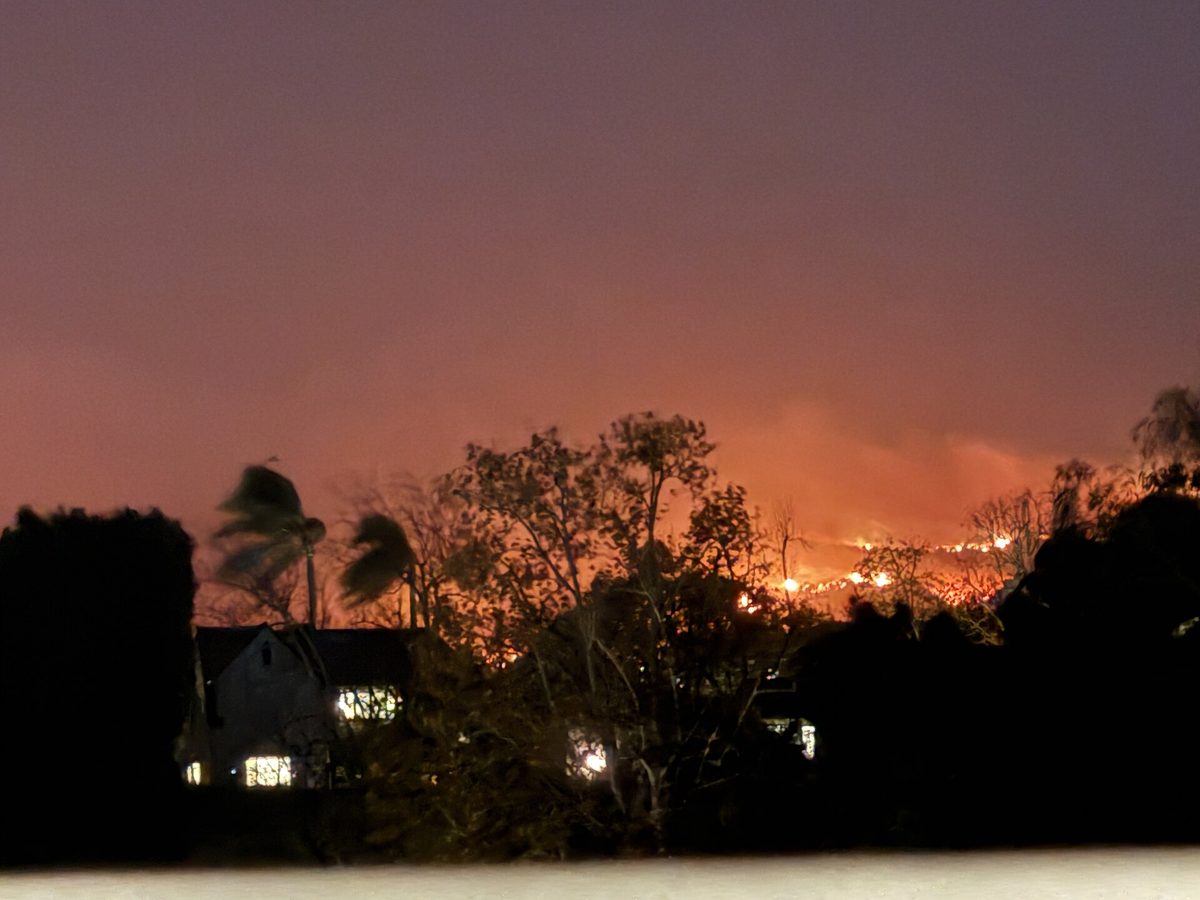
A federal jury on Friday found Jonathan Rinderknecht, 30, guilty of starting the Palisades Fire, the January 2025 blaze that killed 12 people and destroyed whole neighborhoods in Los Angeles. After a 14-day trial in the Central District of California, jurors convicted him on one count of destruction of property by means of fire and one count of arson affecting property used in interstate commerce. Each offense carries up to 20 years in federal prison, meaning he faces up to 40 years.
The case turned on a small fire that became a catastrophe. Prosecutors said Rinderknecht maliciously started a brush fire on January 1, 2025, in the Pacific Palisades area. Firefighters believed they had put it out, but the blaze, known as the Lachman Fire, kept burning unnoticed underground until January 7, when fierce Santa Ana winds whipped it into the Palisades Fire. The fire scorched about 23,000 acres across Pacific Palisades, Topanga and Malibu, killed 12 people, destroyed some 6,800 structures, and forced about 30,000 people to flee. Property losses were estimated at $150 billion.
Prosecutors built their case on location and video evidence. They told jurors that security camera footage and data from Rinderknecht's cellphone showed he was the only person in the vicinity when the January 1 blaze began near a trail in the Santa Monica Mountains National Recreation Area. They also said that after calling 911 to report the fire, he returned to the scene to take photos and videos of firefighters fighting the blaze, and asked the AI app ChatGPT on his phone whether someone could be found at fault for lighting a fire because of their cigarettes.
Prosecutors also presented evidence about his state of mind on the night. His final passengers of the evening recalled that he was angry, that he listened to a rap song depicting setting things on fire, and that an AI-generated image of a city burning was found on one of his devices. In court, prosecutors characterized him, a former Uber driver who holds both American and French citizenship, as a dejected loner who bore deep resentment against society, particularly the wealthy, and channeled that rage into arson. The Justice Department said he started the blaze after frustrations over being unable to find companionship on New Year's Eve, near where he had once lived with a former lover.
The defense maintained that Rinderknecht was wrongly accused. His attorney argued that the hilltop New Year's Day blaze was triggered by holiday fireworks, and that the massive Palisades inferno a week later was a separate fire set by someone else. The defense also argued that prosecutors lacked sufficient physical evidence, and suggested in court filings and public statements that Rinderknecht was being scapegoated for failures by the Los Angeles Fire Department. Rinderknecht, who has remained in custody since he was arrested in Florida in October 2025, declined to testify in his own defense at either trial, but professed his innocence in a court declaration filed in March.
The conviction came only after prosecutors tried the case a second time. In the first trial in June, jurors deadlocked 10 to 2 in favor of acquittal and could not reach a unanimous verdict on any charge, and Judge Anne Hwang declared a mistrial. Prosecutors then secured a superseding indictment that dropped a third, lesser charge of illegally burning timber and narrowed the first charge to cover only the January 1 Lachman Fire, while the second charge addressed the Palisades Fire itself.
The retrial produced a different result on the same core question. The second jury found Rinderknecht guilty on both counts, accepting the prosecution's account that the fire he lit on New Year's Day was the same fire that returned a week later to devastate the seaside enclave. Bill Essayli, the first assistant U.S. attorney for California's Central District, said after the verdict that Rinderknecht deliberately ignited a fire that killed 12 people and devastated an entire community, and that the guilty verdict delivered a measure of justice for the families who lost loved ones and the thousands whose lives were upended.
The Palisades disaster struck at the same time as another catastrophic wind-driven wildfire in Eaton Canyon, about 30 miles to the east, which killed 19 people and ravaged the Los Angeles suburb of Altadena. Investigators later concluded that sparks from an electrical transmission tower ignited the Eaton fire, and Rinderknecht was the only person criminally charged in connection with either of the two January 7 blazes. Together, the two fires rank as the deadliest wildfire calamity ever in Los Angeles County, surpassing the 29 lives lost in the Griffith Park fire of 1933.
Rinderknecht now awaits sentencing, and he will remain in federal custody. The verdict closes the criminal question of how the Palisades Fire began, nearly two years after the blaze, but it leaves open the civil and insurance battles over one of the most destructive fires in California history, as well as the broader questions about how a fire believed to be extinguished could smolder undetected for a week before exploding.
Why it matters: The verdict matters because it answers the central question that has hung over the Palisades disaster since January 2025: whether the fire that destroyed thousands of homes was an accident of wind and drought, or a crime. That a first jury deadlocked 10 to 2 for acquittal and a second jury convicted on the same evidence shows how thin the line was, and how much turned on the digital trail — phone location data, camera footage and a ChatGPT query. For Los Angeles, the case also sharpens the focus on the week the Lachman Fire burned unseen underground, a failure of detection that turned a small New Year's Day brush fire into a $150 billion catastrophe.
Reporting: Reuters · USA Today
Spot an error? Orbit News corrects articles promptly and notes the correction in the article. See our Editorial Policy, or flag an error by messaging us on Facebook, X, or Instagram.