U.S. News
Honda and Toyota Recall About 1.6 Million Vehicles Over Takata Airbag Rupture Risk
The two automakers said Friday they will replace Takata airbag inflators that could degrade and rupture, in a new recall that covers inflators once thought to be safe.
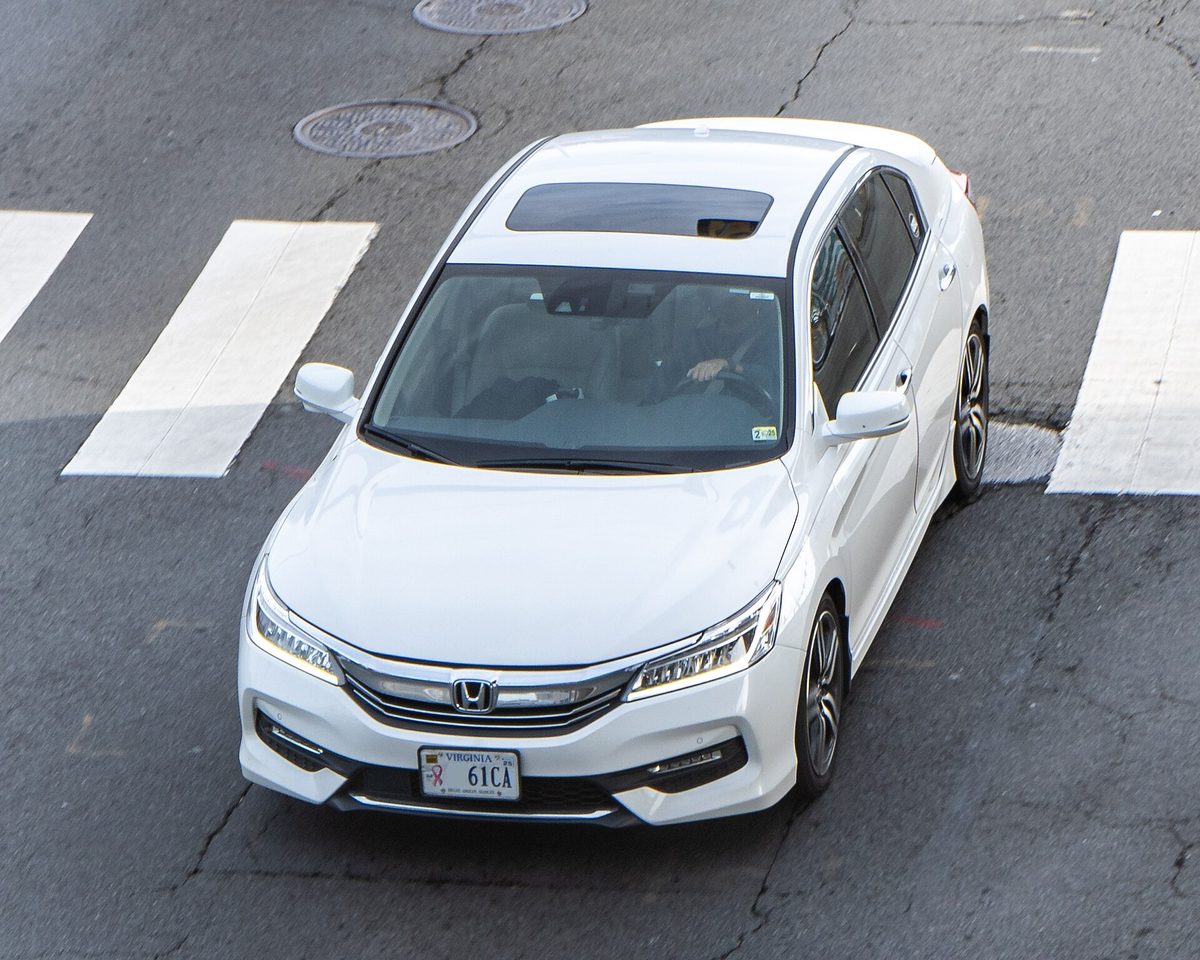
Honda and Toyota said on Friday they are recalling about 1.6 million cars, trucks and SUVs over a risk that Takata airbag inflators could rupture when the airbag deploys. Honda is recalling 810,592 older cars and SUVs in the United States, while Toyota is recalling about 790,000 vehicles worldwide, including 314,000 in the United States. Both automakers said there have been no airbag inflator ruptures and no injuries or crashes tied to the vehicles being recalled, and they will replace the inflators free of charge.
The recall is unusual because it covers inflators that were supposed to be the safe ones. The vehicles in the current recalls have airbag inflators that contain a moisture-absorbing material, known as a desiccant, unlike the millions of vehicles recalled previously over inflators without a drying agent. Honda said long-term monitoring and analysis of desiccated inflators in the field revealed potential propellant degradation in certain inflators within specific geographic regions, prompting what it called a preventative action.
The Honda recall covers certain 2013 Honda Accord, 2012-2013 Honda Civic, 2012-2013 Honda CR-V, 2013 Acura ILX and 2013 Acura RDX vehicles that were originally sold or ever registered in 14 states and territories known for high temperature, high humidity and large temperature fluctuations. Those places are Alabama, California, Florida, Georgia, Hawaii, Louisiana, Mississippi, South Carolina, Texas, Puerto Rico, the U.S. Virgin Islands, the Northern Mariana Islands, Guam and American Samoa.
The Toyota recall covers a longer list of older models, including the 2002-2010 Lexus SC430, the 2011 Lexus IS250, the 2017 Lexus GX460, the 2003-2008 Toyota Corolla, the 2005-2006 Toyota Tundra, the 2005-2007 Toyota Sequoia and the 2016-2017 Toyota 4Runner. Toyota warned that degraded propellant could cause the inflator to rupture if the airbag deploys and cause serious injuries. Toyota did not specify in which U.S. states its recall applies, but said it expects replacement inflators will be ready by early 2027.
The National Highway Traffic Safety Administration said analysis and inflator degradation simulation models conducted by independent testing groups allowed the automakers to act ahead of potential risks. The agency said Honda and Toyota saw early evidence of degradation risk in certain of their vehicles and are conducting proactive recalls, adding that other automakers continue to conduct inflator analysis and testing, which means further recalls of desiccated inflators are possible.
The new action adds a fresh chapter to the longest-running safety crisis in auto industry history. Defective Takata inflators have killed at least 28 people and injured more than 400 in the United States since 2009, an issue that prompted the largest auto recall in U.S. history. All of those deaths involved airbag inflators without a drying agent, and at least 20 of those deaths were in Honda vehicles. Over the past decade, two dozen major automakers have recalled more than 100 million vehicles fitted with Takata airbag inflators worldwide, including about 67 million vehicles in the United States.
Honda said it is announcing the recall now to encourage each owner of an affected vehicle to take it to an authorized dealer for repair as soon as they receive notification. Mailed notification to customers will begin in December 2026, but owners do not need to wait for a letter. They can check their vehicle's recall status now at the Honda and Acura recall websites or by calling Honda customer service at (888) 234-2138.
For owners, the practical question is whether their car is on the list, and the answer depends on model year and where the vehicle was first sold or registered. A 2013 Accord registered in Florida is covered; the same car registered in a cold-weather state is not, because the degradation risk is tied to heat, humidity and wide temperature swings. Toyota owners face a longer wait, with replacement parts not expected until early 2027, though the company said no ruptures have been reported in the recalled vehicles.
The recall also tests a long-standing assumption inside the industry: that adding a moisture-absorbing desiccant had solved the Takata problem. Regulators and automakers treated desiccated inflators as the fix for years, and this action concedes that even those inflators can degrade over time in the harshest climates. If testing at other automakers finds the same pattern, the 1.6 million vehicles announced Friday may be only the first wave.
Why it matters: This recall matters because it reopens a safety crisis many drivers thought was closed. The desiccated inflators at issue were the industry's answer to the Takata disaster, and Honda and Toyota are now saying that even those can degrade in hot, humid climates. With more than 100 million vehicles already recalled worldwide over Takata inflators, the new finding raises an uncomfortable question for every automaker that fitted the supposedly fixed design: how many more cars are carrying the same slow-moving risk, and how long before testing finds them?
Reporting: American Honda · Los Angeles Post
Spot an error? Orbit News corrects articles promptly and notes the correction in the article. See our Editorial Policy, or flag an error by messaging us on Facebook, X, or Instagram.