Politics
Lame-Duck Congress Faces December 11 Funding Deadline and a Pile of Unfinished Business
Republicans have seven weeks left with control of Congress to fund the government, pass the defense bill and push Trump's agenda before Democrats take over.
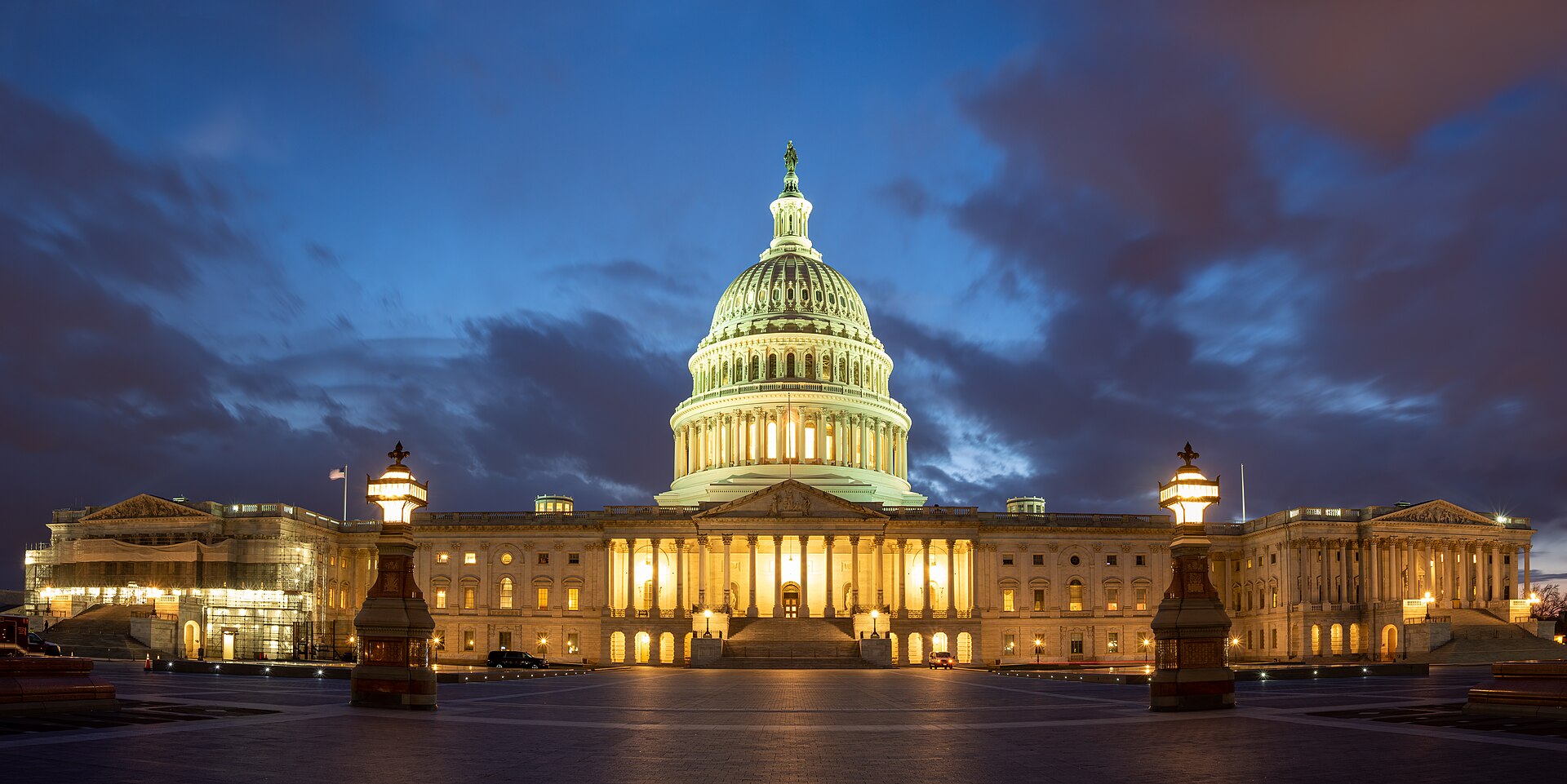
Trump has two months left with a Republican Congress, and the lame-duck session starting next week will decide how much of his unfinished business gets done before Democrats take over. The new Congress elected on Tuesday is not sworn in until January 3, 2027. Until then, the old Congress, with its Republican majorities, keeps working.
Congress is expected to be in session for about six or seven weeks, starting the week of November 9 and running until Christmas, with a break for Thanksgiving. It is a short window for a long list of deadlines, and every item on it will be fought over by a Republican majority that has just lost its mandate and a Democratic minority about to become the majority.
The first deadline is government funding. In September, Congress passed and Trump signed a temporary spending bill that keeps the federal government open through December 11. If lawmakers do not pass another funding bill by then, parts of the government shut down. The country went through a 43-day shutdown last fall, the longest in modern history at the time it ended, and nobody in either party wants a repeat.
The funding fight is also about defense. The Trump administration requested a historic 1.5 trillion dollars for defense spending, which Senate Democrats called a nonstarter. Congress also has to pass the annual defense authorization bill, which runs about 1.15 trillion dollars and sets military policy for the coming year. Both bills will test whether a lame-duck Republican majority can still move big legislation.
The biggest item on the Republican wish list is money for the war with Iran. As of September, Republican senators were talking about passing it through budget reconciliation, a special process that lets certain tax and spending bills pass the Senate with a simple majority of 51 votes instead of the 60 most bills need. Reconciliation takes time, though. It requires passing a budget plan first and then sitting through vote-a-ramas, marathon all-night sessions where senators vote on amendment after amendment.
After January 3, the window closes, because Democrats will control the Senate and decide what comes to the floor. That hard deadline gives Republicans an incentive to move fast, but the same calendar works against them: a reconciliation bill of this size would normally take weeks to assemble, and the lame-duck session has only about seven of them, with Thanksgiving in the middle.
Other unfinished business crowds the agenda. The Infrastructure Investment and Jobs Act expired on September 30, and while Congress extended its authorities, many of the programs funded through the law have lost funding. Counties are pushing Congress to pass a multi-year surface transportation reauthorization or extend the law's programs funded through advance appropriations.
Counties and other local governments are also pressing Congress to further delay a proposed Office of Management and Budget rule on uniform guidance for federal grants, which they say would significantly affect their ability to deliver key services using federal money. The current continuing resolution included a delay of that rule, but the delay needs to be extended or the rule will take effect.
The lame-duck session also features lawmakers who have already lost their seats but still hold their votes until January. Senator Susan Collins, who conceded to Democrat Troy Jackson in Maine, and Senator Jon Husted, who lost to Sherrod Brown in Ohio, will both keep voting through the end of the session. Their votes could matter on close questions, and both will be under pressure from their parties in their final weeks.
What Republicans can actually pass in the time remaining is an open question. The funding deadline is the one item that cannot be avoided, and it will likely consume most of the session's energy. Everything else, from Iran war funding to transportation and the defense bill, will have to compete for floor time that is already scarce. By Christmas, Washington will know whether the lame duck delivered a final burst of Republican legislating or simply ran out the clock.
Reporting: National Association of Counties
Spot an error? Orbit News corrects articles promptly and notes the correction in the article. See our Editorial Policy, or flag an error by messaging us on Facebook, X, or Instagram.