Politics
Justice Department Drops California Ballot Lawsuit After Supreme Court Rebuke
The administration abandons its bid to set aside 20,000 mail ballots, ending a legal fight a judge called part of a pattern of election interference.
The Trump administration on Friday abandoned its lawsuit seeking to force California to set aside more than 20,000 mail-in ballots, ending one of its most contentious election fights days after Republicans suffered sweeping losses in the midterm elections. The Justice Department filed a notice of voluntary dismissal in federal court in Los Angeles.
The department had argued that the ballots belonged to registered voters who were likely not American citizens and should be separated from the count until their citizenship could be verified. California officials refused, and the case became a test of how far federal power could reach into a state's administration of its own elections.
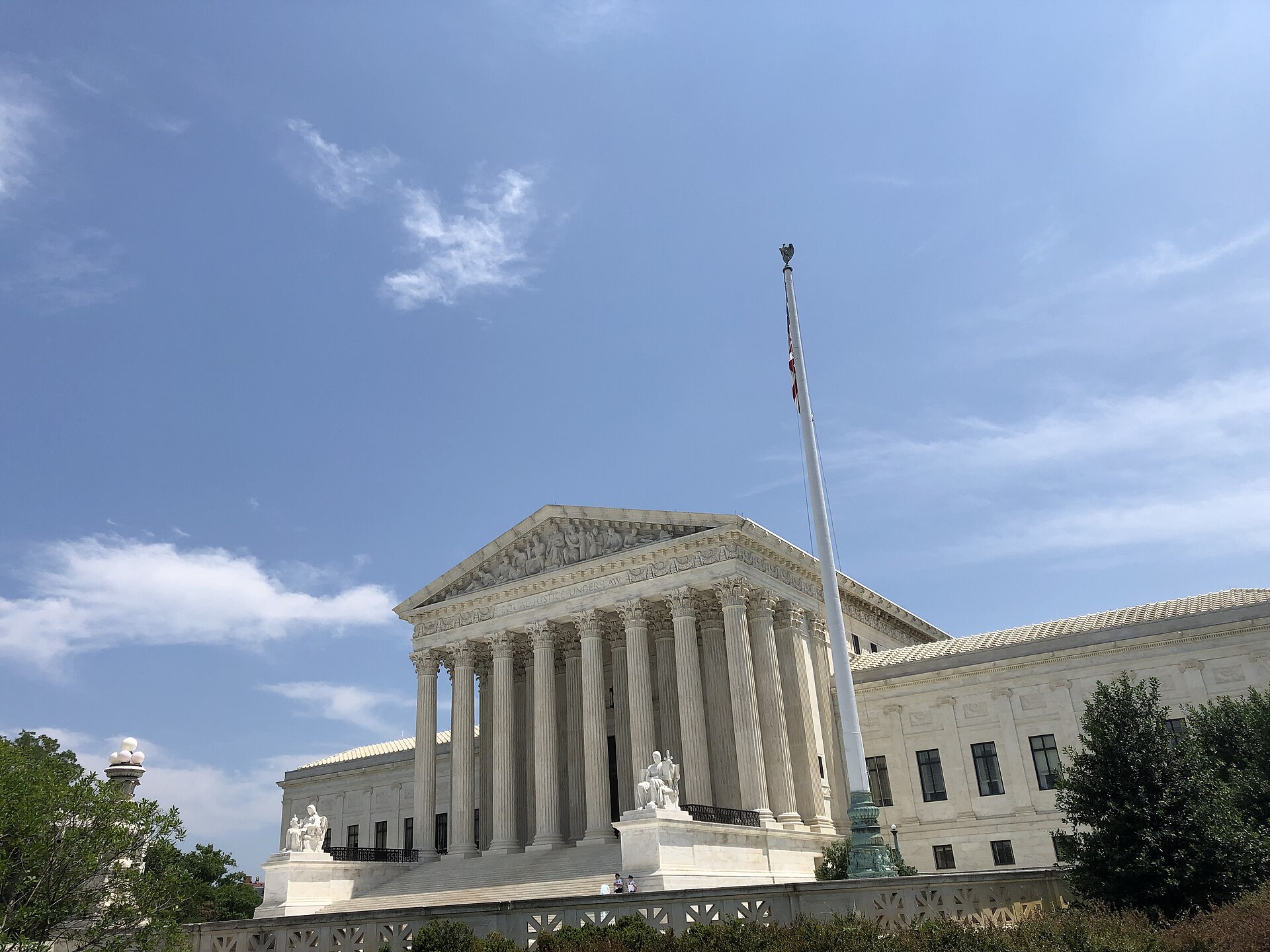
The dismissal follows four consecutive court setbacks for the administration. The U.S. Court of Appeals for the Ninth Circuit dismissed an emergency appeal on October 26. The U.S. District Court for the Central District of California denied a temporary restraining order on October 28. The Ninth Circuit denied an emergency motion for an injunction on October 30. And on November 2, the day before the election, the Supreme Court rejected the department's emergency application in a one-line, unsigned order.
In the two-page dismissal filing, Assistant U.S. Attorney Julie A. Hamill wrote that the United States had exhausted its appeals to obtain timely relief all the way to the Supreme Court. She added that by the time a previously scheduled hearing on November 13 would have taken place, California will have already commingled the challenged ballots with lawful ones, leaving no way to segregate them. As a result, she wrote, the relief the United States sought is no longer available.
California Attorney General Rob Bonta announced the dismissal, saying the administration dropped the case after four consecutive court losses and before the November 13 hearing, which would have examined the reliability of the government's list of suspected noncitizen voters. That hearing is now cancelled.
The case had drawn sharp criticism from the federal judge overseeing it. U.S. District Judge David O. Carter characterized the administration's request as part of a broad, ongoing pattern of attempted election interference, and he had set the expedited hearing to test whether the government's list of 20,000 names was accurate at all. The dismissal means that question will now go unanswered in court.
The Justice Department sued California on October 15, more than a week after mail ballots had already been sent to all registered voters in the state. Federal officials demanded that the state set aside the ballots tied to its list, and when California refused, the department went to court seeking to force the issue before Election Day.
By early Friday, California election officials reported that roughly 9 million ballots had been processed, with nearly 5 million still uncounted. The contested ballots, whatever their status, are now part of that count, and the administration's own filing concedes there is no way to separate them after the fact.
The defeat is the administration's biggest legal loss in its campaign to challenge state election procedures. The Justice Department sued at least 30 states that refused to turn over voter data, and it has lost almost all of those cases. The California suit was the most aggressive of the batch, the only one that sought to block the counting of ballots already cast.
The withdrawal also lands in a changed political landscape. Democrats won California's statewide contests by comfortable margins and took most of its congressional races on Tuesday, and the administration's election-law offensive now looks like a casualty of the same midterm verdict that cost Republicans control of Congress. Whether the Justice Department continues its voter-data lawsuits against other states remains an open question.
Reporting: Reuters
Spot an error? Orbit News corrects articles promptly and notes the correction in the article. See our Editorial Policy, or flag an error by messaging us on Facebook, X, or Instagram.