Politics
Trump Offers Democrats Immigration and Tax Talks After Midterm Defeat
The president says he is willing to work with the incoming Democratic Congress, even as he warns he will veto legislation he calls insane.
President Donald Trump has opened the door to working with Democrats on immigration and taxes, offering the first hint of bipartisan dealmaking after Republicans lost both chambers of Congress in Tuesday's midterm elections. The president said economic growth could be another area where the two parties find common ground.
Trump's outreach comes as Washington adjusts to divided government. Democrats will control the House and the Senate when the 120th Congress is sworn in this January, while Trump remains in the White House with his veto power intact. The lame-duck session now under way must still pass pending bills and advance presidential nominations before the handover.
Reflecting on the election outcome, Trump conceded that Republicans had faced a difficult night. He attributed the losses to congressional inaction and surging global oil prices, while distancing himself from the result by noting that he was not personally on the ballot. In posts on Truth Social after the vote, he argued that if he had been running, Republicans would have won in a landslide.
In an interview with The New York Times while watching returns at the White House, Trump struck a notably different tone from his social media posts, saying he was absolutely willing to accept the results and to work with the Democrats. It was the most conciliatory public statement from the president since the scale of the defeat became clear.
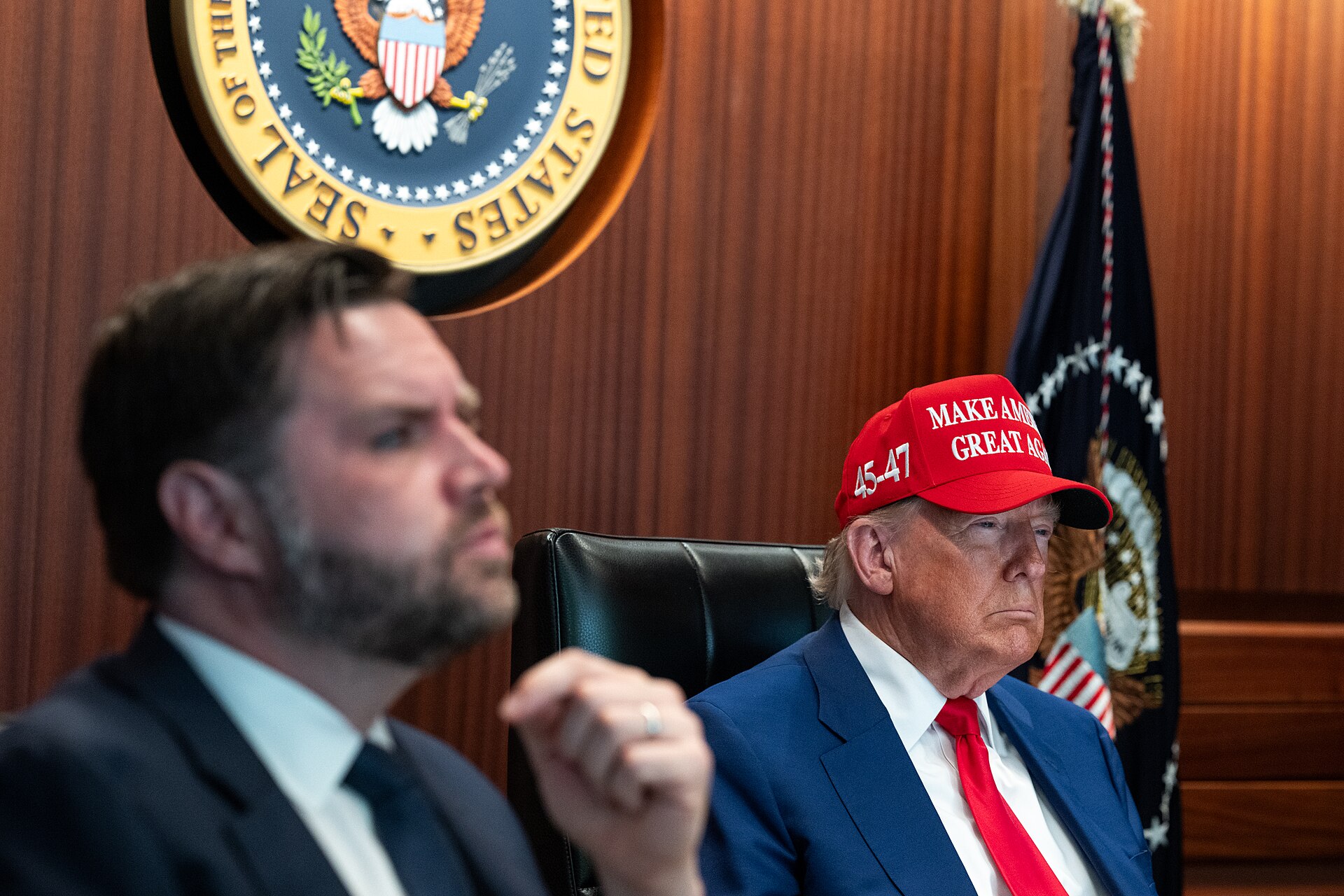
That softer tone sits alongside a harder edge. Trump told Fox News on Tuesday that he would veto all insane legislation from Democrats, and he later posted an image of a red MAGA hat with his slogan replaced by the word VETO. The message was unmistakable: any Democratic bill that reaches his desk will face a president willing to block it.
The tension between the two messages captures the central question of the next two years. A president who has spent his second term governing largely through executive action now faces a Congress controlled by the opposition, and both sides must decide whether the next two years will be defined by negotiation or by stalemate and vetoes.
Immigration is the most obvious test. It is the issue Trump has made the centerpiece of his presidency, and it is also the area where a deal has repeatedly collapsed in Congress over the past two decades. Any talks would have to bridge the gap between Democrats who want a path to legal status for long-settled immigrants and a president whose administration has pursued mass deportations and strict enforcement.
Taxes offer a more plausible path to agreement. Both parties have signaled interest in elements of tax policy, and Trump has framed economic growth as a shared priority. But the details matter enormously, and Democrats who just won an election by campaigning against Trump's economic record are unlikely to hand him an easy win without extracting concessions of their own.
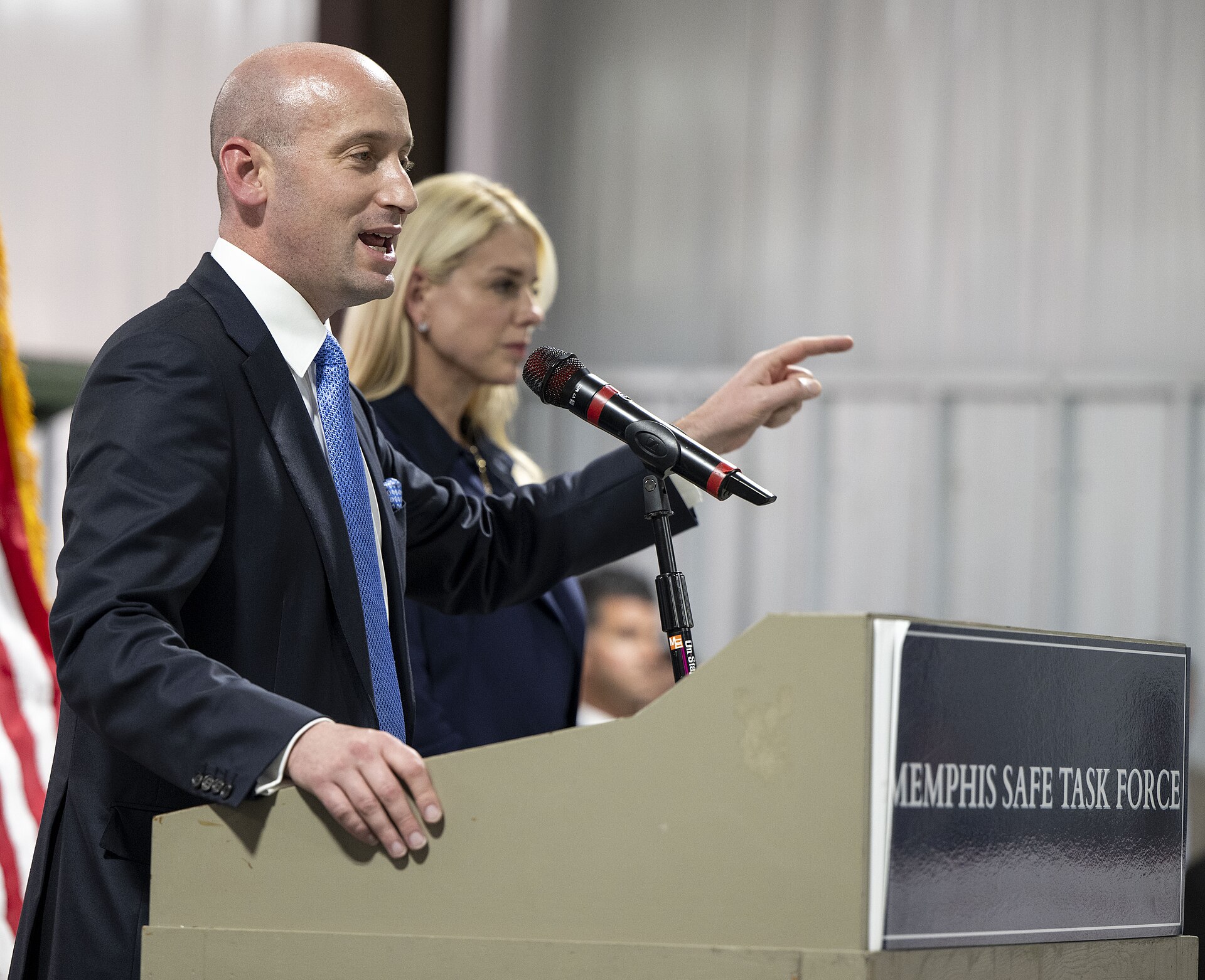
The offer also coincides with Trump's decision to name Stephen Miller, the architect of his immigration agenda, as his new chief of staff. That appointment complicates the outreach, since Miller is the figure Democrats most associate with the administration's hardest-line policies. Whether the president's negotiators or his chief of staff set the tone will be an early signal of how serious the talks are.
For now, the offer is only an opening. The new Congress does not take office until January, and the lame-duck session will be consumed by government funding and unfinished Republican business. But Trump's willingness to talk at all marks a shift from the defiance of election night, and Democrats will be watching closely to see whether it survives first contact with the politics of divided government.
Reporting: The Hindu BusinessLine
Spot an error? Orbit News corrects articles promptly and notes the correction in the article. See our Editorial Policy, or flag an error by messaging us on Facebook, X, or Instagram.