Politics
Trump Names Stephen Miller Chief of Staff in Post-Midterm Shake-Up
The immigration hardliner replaces Susie Wiles on Monday, signaling Trump plans to double down rather than change course after losing Congress.
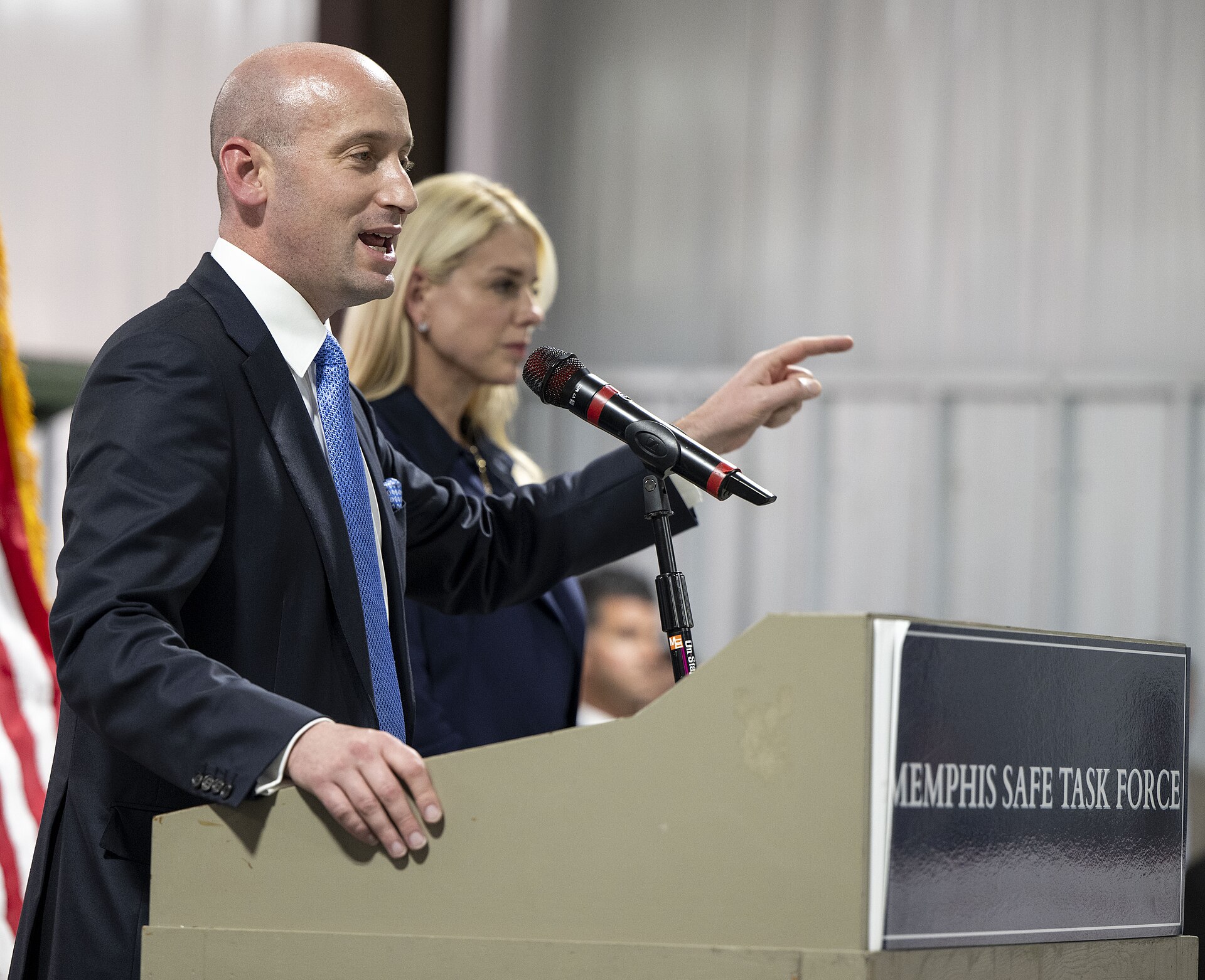
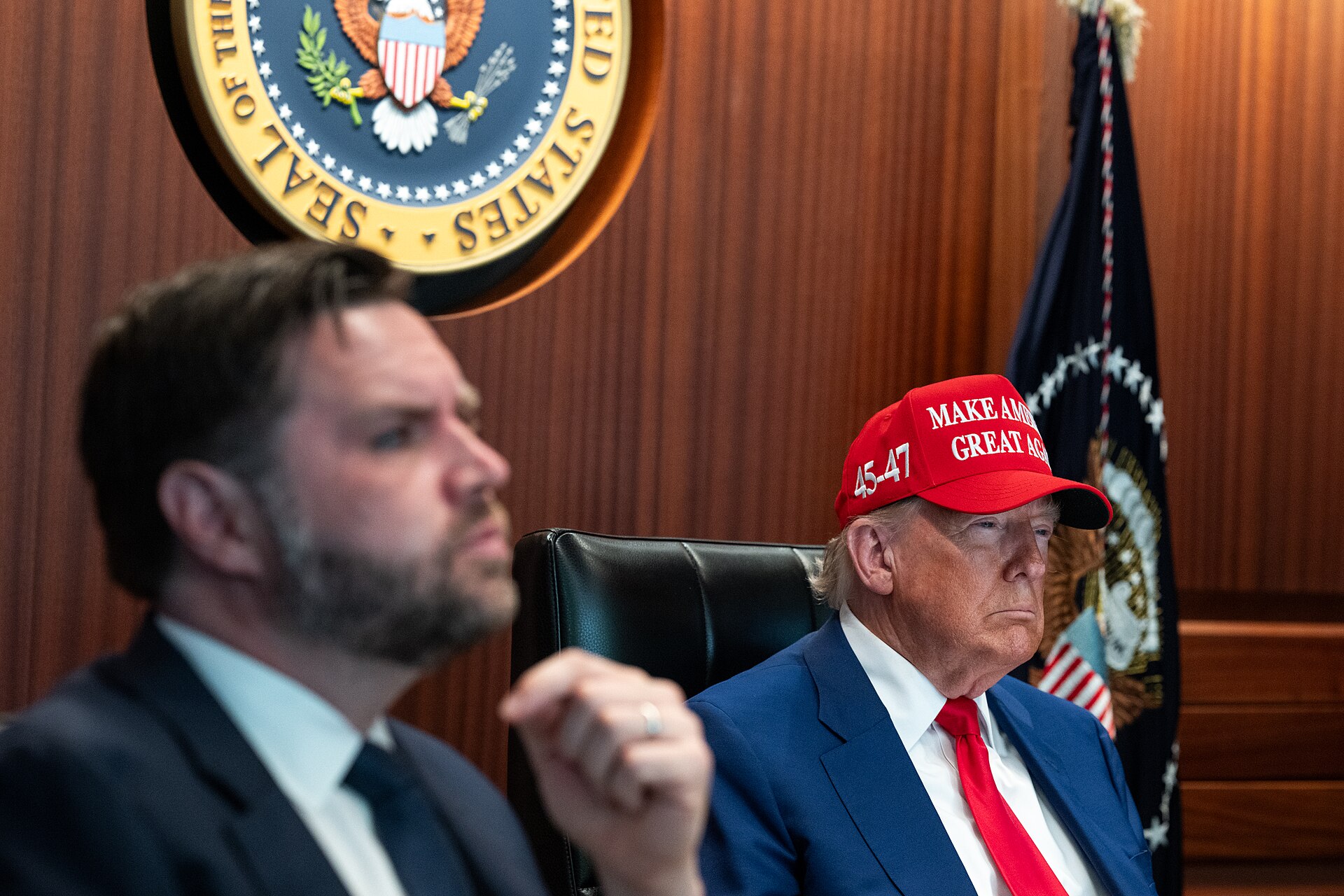
President Donald Trump has named Stephen Miller, the architect of his hardline immigration agenda, as his new White House chief of staff, replacing Susie Wiles in the most significant personnel shake-up of his second term. Trump announced the move Friday on Truth Social, three days after Republicans lost control of both chambers of Congress in the midterm elections.
Miller, 41, will take over the job on Monday, November 9. He has served since January 2025 as deputy chief of staff for policy and homeland security adviser, making him one of the most powerful figures in the West Wing long before the promotion. Trump called him one of his most trusted advisers and said he has been with him from the beginning.
Wiles, who ran Trump's 2024 campaign and has served as chief of staff since the start of his second term, will move to the president's political operation. Trump thanked her for doing an outstanding job. Two sources familiar with the matter told CNN that Wiles submitted her resignation on Thursday evening, and the Daily Caller reported the same timing.
The change is the first major staff move since the midterm rout, and Trump signaled on Friday that it will not be the last. Asked by CBS News whether he intended to fire people, Trump answered, I do. He added that he loves his Cabinet and thinks its members are good, but said he will be doing maybe a few changes, without naming anyone.
Miller has been at Trump's side since 2015, when he joined the first presidential campaign as a policy adviser and speechwriter. He carried that role into the first administration, where he helped design the travel ban, family separation policies and the sharp reduction in refugee admissions. In the second term his portfolio widened far beyond immigration into wide swaths of domestic policy and an expansive view of executive power.
The choice of Miller is widely read as a sign that Trump does not intend to fundamentally change his governing approach after voters rejected his agenda on Tuesday. Rather than reaching for a conciliator to manage relations with an incoming Democratic Congress, the president elevated the aide most associated with the policies voters just repudiated. Steve Bannon, Trump's former strategist, praised the appointment.
Miller himself celebrated the promotion on X, writing that it has been the privilege of my lifetime to have served on his team from day one, and that he is honored beyond words to serve as White House chief of staff. The post drew swift reactions from both parties, with Democrats calling the appointment a doubling down on the agenda voters rejected and Trump allies hailing it as a reward for loyalty and effectiveness.
Wiles had been seen as a stabilizing force in a White House known for churn, and her departure removes the aide credited with imposing discipline on Trump's second-term operation. She managed the 2024 campaign that returned Trump to office and was widely respected in both parties for her low-key, managerial style, a sharp contrast to Miller's public profile as a combative ideologue.
What comes next will test whether Miller can run the White House as a manager as well as a policy driver. The chief of staff controls access to the president, coordinates the Cabinet and negotiates with Congress, all while a Democratic House and Senate prepare investigations and a rival legislative agenda. With a December 11 government funding deadline looming and a lame-duck session under way, Miller steps into the job at one of the most consequential moments of the term.
The appointment also sets the tone for the final two years of Trump's presidency. With Democrats in control of Capitol Hill and the president's legislative path narrowed, the White House is expected to lean heavily on executive action, and the man who designed much of that strategy will now be the one running the building.
Reporting: USA Today
Spot an error? Orbit News corrects articles promptly and notes the correction in the article. See our Editorial Policy, or flag an error by messaging us on Facebook, X, or Instagram.