World
Magnitude 5.7 Earthquake Shakes Central Japan, Injuring at Least 22
The magnitude 5.7 quake struck western Shizuoka Prefecture at 1:04 a.m., with the strongest shaking in Aichi Prefecture, the first of that strength there in 29 years.
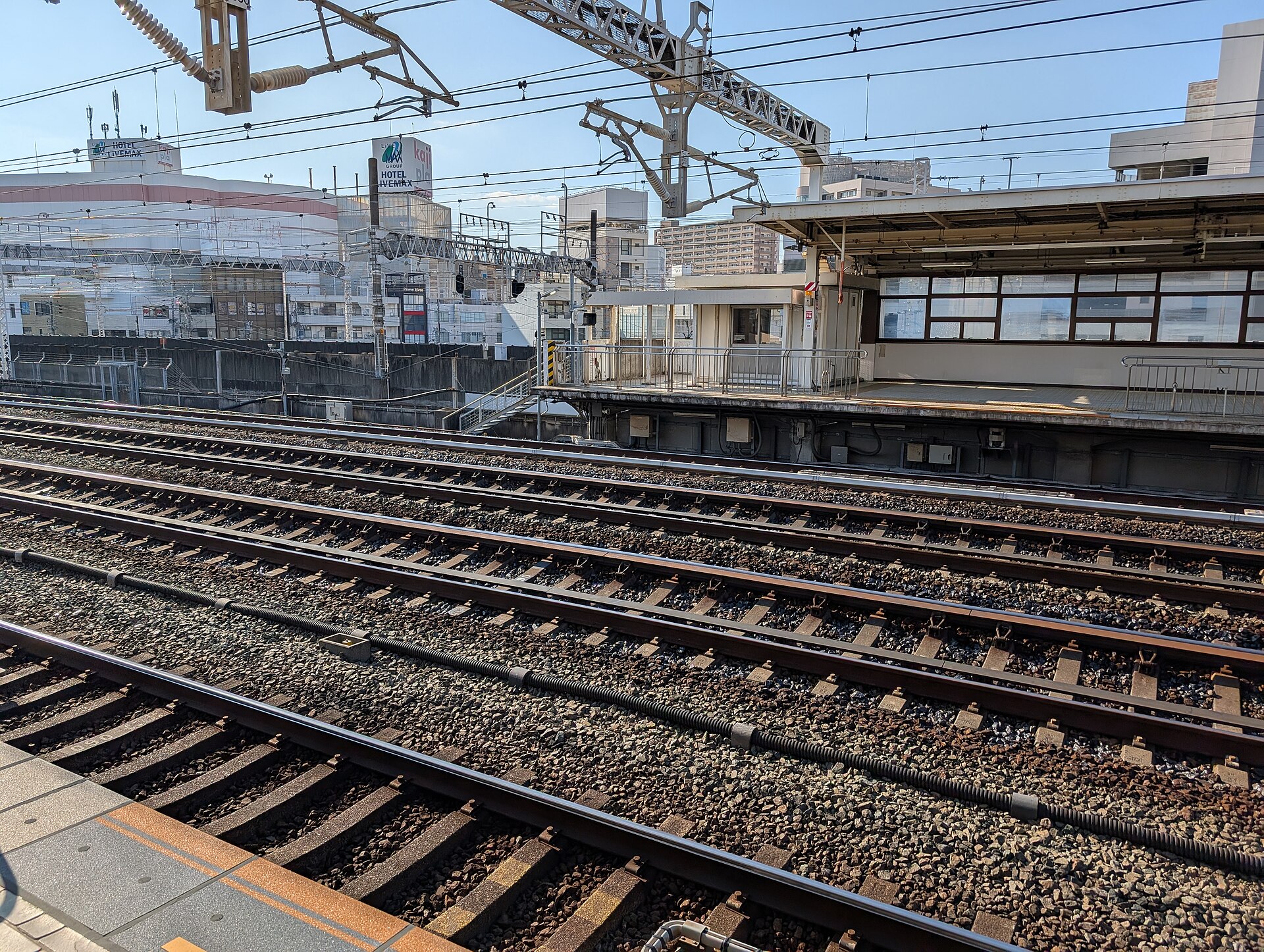
A strong earthquake shook central Japan early on Sunday, shattering store windows, sending people fleeing from buildings and leaving at least 22 people injured, according to local media. The quake struck at 1:04 a.m. local time and was felt across a wide area of the country's main island, including the ancient capitals of Kyoto and Nara.
Japan's Meteorological Agency put the quake's magnitude at 5.7, while the U.S. Geological Survey reported it at magnitude 5.5. The quake was located about 40 kilometers below the earth's surface in western Shizuoka Prefecture, next to Aichi Prefecture, where the strongest shaking was recorded. In Chita, in Aichi, the shaking reached upper 5 on Japan's seven-level seismic intensity scale, the first time a tremor that strong has been recorded in Aichi in 29 years.
At least 22 people were injured, according to local media cited by the Associated Press, many of them hurt in falls as they tried to leave buildings or move during the shaking. No deaths were reported, and no large-scale building collapse was confirmed in the initial reports. Shop windows shattered in the affected areas, and some train services were disrupted across the region.
The shaking spread over a wide area around Aichi Prefecture, including the city of Hamamatsu, the ancient capitals of Kyoto and Nara, and the neighboring prefectures of Yamanashi, where Mount Fuji is located, as well as Gifu. Aftershocks followed the main quake, and the meteorological agency warned people to brace for possible strong quakes in the coming week, especially the next two to three days.
Ayataka Ebita, an official of the Japan Meteorological Agency, told reporters that people should be on the lookout for mudslides and falling rocks, and for the effects of rain on ground already shaken loose. The government established an emergency liaison office to assess the situation in the affected areas and coordinate the relief effort.
No tsunami warning was issued after the quake, and no abnormalities were detected at the Hamaoka nuclear power plant in Shizuoka, according to its operator, Chubu Electric Power. That will come as a relief in a country where the memory of the 2011 disaster at Fukushima still shapes every decision about nuclear safety after an earthquake.
The quake was the second to hit Japan in three days. A magnitude 6.1 tremor struck off the Tokyo coast two days earlier, putting the country's disaster agencies on alert even before Sunday's shaking in the center of the country. The two events were in different areas, but together they have renewed public attention on Japan's earthquake readiness.
The location of Sunday's quake also drew attention because it fell within the broader region considered relevant to the Nankai Trough earthquake scenario, the giant subduction-zone quake that scientists have long warned could one day strike Japan's Pacific coast with devastating force. The meteorological agency said it had detected no immediate changes in the Nankai Trough subduction zone as a result of Sunday's quake.
For now, the damage appears limited to injuries, broken glass and disrupted trains. But with aftershocks expected and the warning in place for the week ahead, residents across central Japan are being told to stay ready, keep furniture secured, and know where to go if a stronger tremor follows.
Reporting: Associated Press
Spot an error? Orbit News corrects articles promptly and notes the correction in the article. See our Editorial Policy, or flag an error by messaging us on Facebook, X, or Instagram.