World
Drone Strike Kills Three Soldiers at Colombian Army Base as Attacks Surge
Three soldiers were killed and at least 16 wounded when explosive drones hit the 48th Jungle Battalion's base in Santa Rosa del Sur, the latest of 418 drone attacks recorded in Colombia this year.
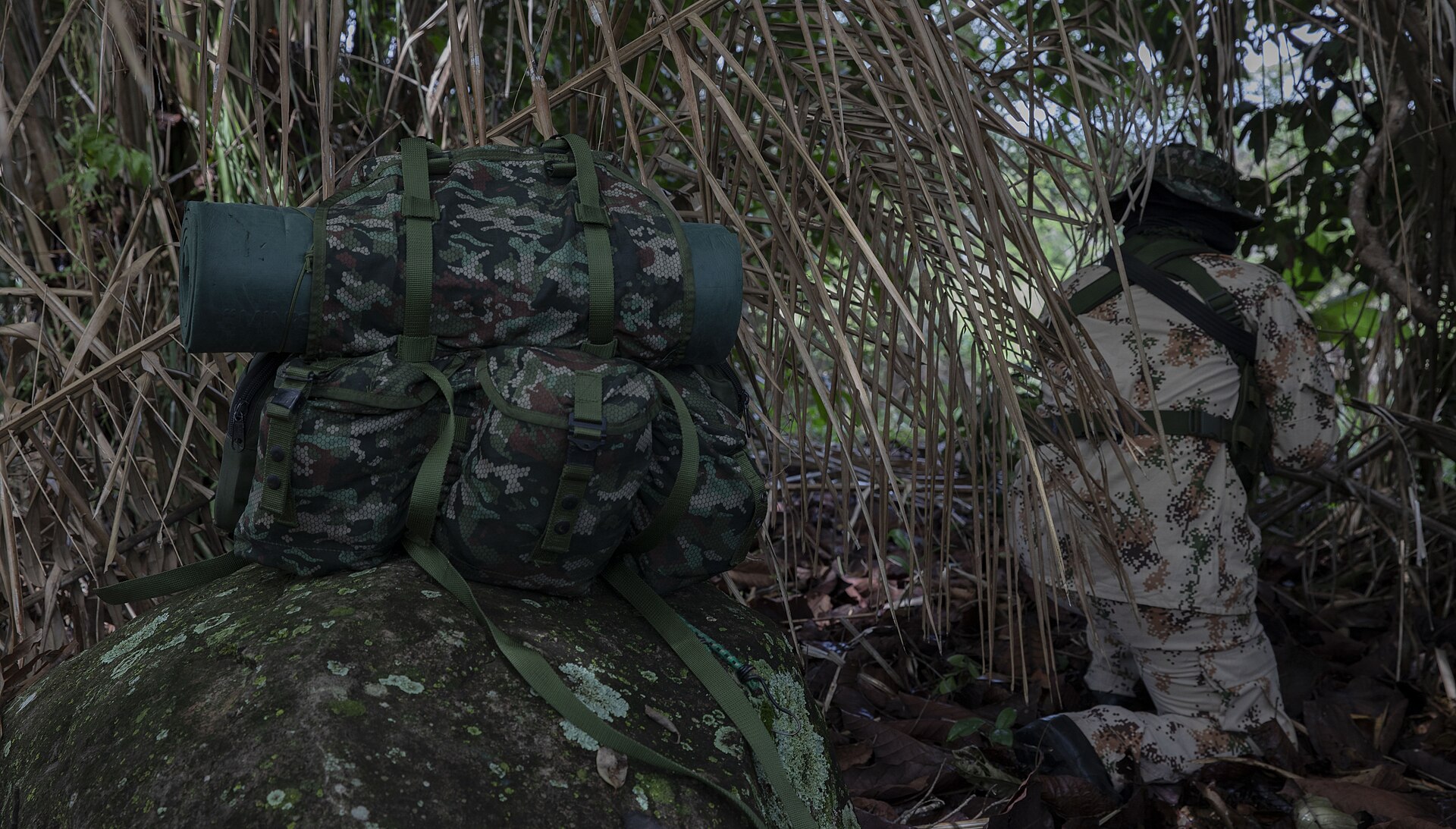
Explosive-laden drones struck a Colombian army base on Saturday, killing three soldiers and wounding at least 16, the country's armed forces said, in the latest in a wave of attacks on security forces that has tested the new government's hardline security policy. The assault hit the military canton in Santa Rosa del Sur, a gold-mining town in the foothills of the San Lucas mountain range in southern Bolivar department.
The strike came around midday on Saturday, November 7, when drones modified to carry explosive devices hit the compound, home to the army's 48th Jungle Battalion. According to local accounts, the munitions struck the base's troop mess hall as personnel gathered for lunch. Footage shared on social media, not independently verified, showed smoke rising from the base after three explosions, with soldiers taking cover in sandbag shelters.
The army's First Division said three service members were killed and eight seriously wounded, while the Associated Press reported at least 16 wounded. The mayor of Santa Rosa del Sur said as many as 35 people were affected, and the latest official count published by El Universal listed 16 seriously wounded and 31 members of the unit affected in all. On Sunday the army named the dead: professional soldier Jairo Lince Carvajal and soldiers Dilan Andres Lozano Leon and Alvaro Pushaina.
No group has claimed responsibility for the attack, and the army did not initially identify an attacker. Defense Minister Jorge Mora, a retired general, pointed to the National Liberation Army, the cocaine-trafficking guerrilla group known by its Spanish initials as the ELN, and said the attack appeared to be the group's response to the capture the day before of Leivis Enrique Valero Castillo, alias Carrito, whom the government accuses of being a main figure behind the finances of the ELN's Guamoco Resistance Front. Authorities have not formally confirmed a link between the arrest and the attack, and no ELN claim or denial had been found in Colombian or American coverage as of Monday.
President Abelardo de la Espriella, a conservative who took office in August, condemned the attack and vowed a forceful response. "Those who were behind this attack will have nowhere to hide," he wrote on Saturday on X. De la Espriella has pressed a hardline offensive against armed groups since taking office and cancelled peace talks with them, and violence has risen across rural parts of the country since then.
The attack fits a wider pattern. Colombia recorded 418 explosive-drone attacks in 2026, up from 333 in all of 2025, according to an international intelligence assessment that ranked it the most targeted country in Latin America. In September, explosives dropped from drones, followed by a clash inside a military compound in Ocana, Norte de Santander, killed three soldiers. The area around Santa Rosa del Sur, rich in gold mines, has long been contested by the ELN, the Gulf Clan and smaller groups led by former members of the Revolutionary Armed Forces of Colombia, or FARC.
The strike also comes as the United States deepens its involvement in the fight against the ELN. On October 30, according to the New York Times, U.S.-supplied drones and intelligence helped Venezuela's military bomb an ELN camp across the border. The next day, de la Espriella watched three MQ-9A Reaper drones that Washington is lending Colombia fly over the Tolemaida military base. The three Reapers arrived unarmed and in containers, on loan, and were assembled at Tolemaida.
A dispute has also broken out over whether the government is doing enough to protect its troops from the drone threat. Former president Gustavo Petro argued publicly that his government left money for anti-drone purchases this year, that no purchase was carried out and that troops were left exposed. Defense Minister Mora denied the claim, saying no funds were appropriated for the purchases and no contract was cancelled, and that military justice authorities and prosecutors are investigating who carried out the attack.
What happens next is a military response the president has promised and a political argument about how Colombia defends soldiers who are now attacked from the air. For the families of the three dead soldiers, and for the wounded still in hospital, the immediate question is simpler: how a base in a town the army has held for years could be hit so hard, in daylight, by an enemy it could not see coming.
Reporting: SOFX
Spot an error? Orbit News corrects articles promptly and notes the correction in the article. See our Editorial Policy, or flag an error by messaging us on Facebook, X, or Instagram.