World
COP31 Opens in Antalya as War, AI Demand and U.S. Absence Cloud Climate Talks
Nearly 200 countries meet in Antalya until November 20, with Turkey pushing to electrify more than a third of the global economy by 2035 amid war, energy fears and U.S. disengagement.
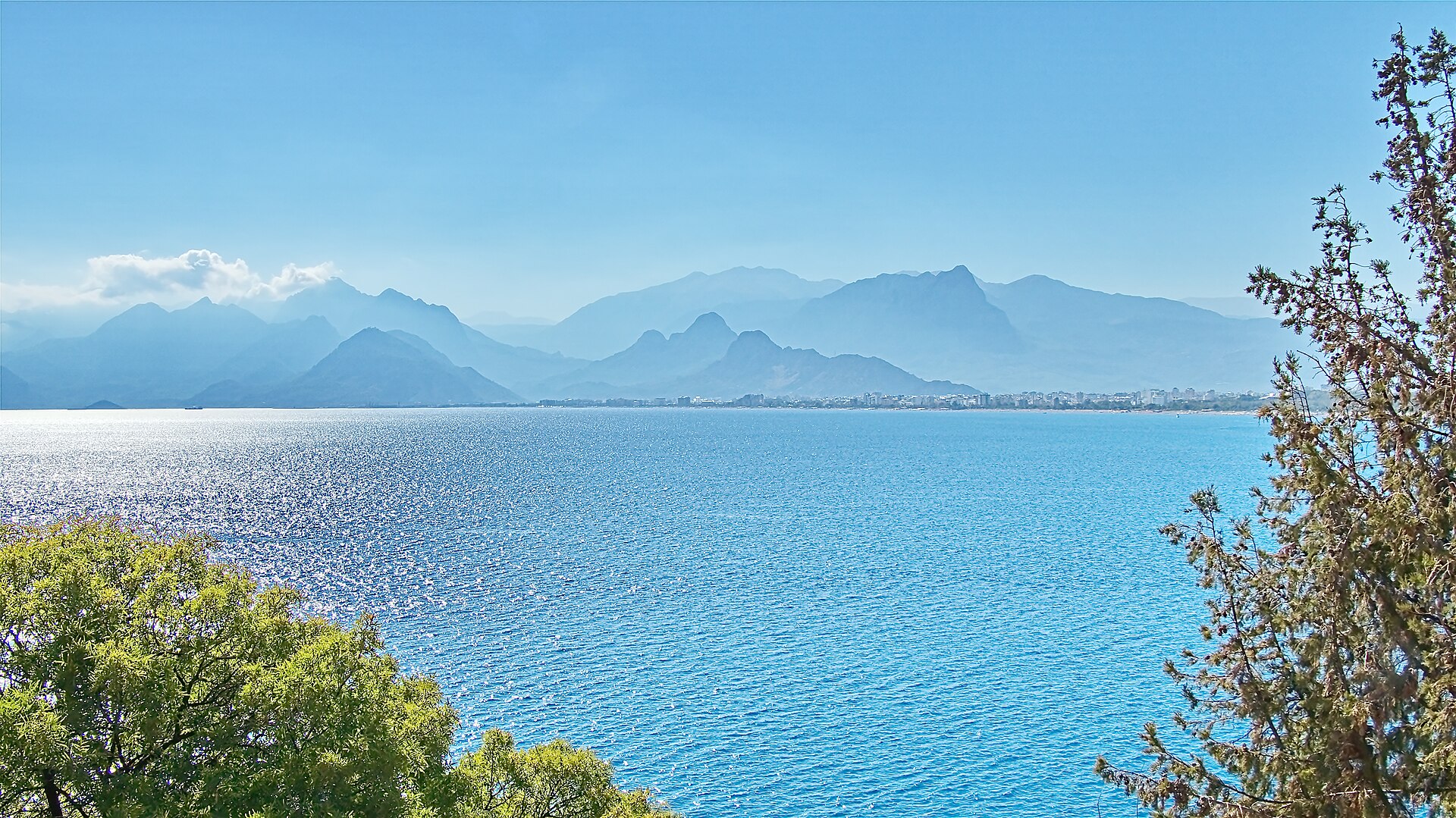
Representatives from nearly 200 countries gather on Turkey's Mediterranean coast on Monday for two weeks of climate talks, as war-driven energy security fears, surging demand for power from artificial intelligence and the absence of the world's top historic greenhouse gas emitter put new pressure on the fight against global warming. The COP31 summit opens in Antalya and runs until November 20.
The backdrop could hardly be more difficult. The war between the United States and Iran has nations scrambling for oil cargoes and firing up coal plants. The rapid rollout of artificial intelligence is pumping up power demand around the world. And the United States is shunning climate cooperation for the second year running, leaving the world's biggest historic polluter outside the room where the next round of commitments is supposed to be negotiated.
Turkey's presidency of the talks has centered the summit on a goal to electrify more than a third of the global economy by 2035, up from around a fifth today. The idea is to shift transport, heating and industry onto clean electricity, cutting emissions even as energy demand grows. Turkey will also call on governments, businesses and other institutions at the conference to sign a pledge outlining principles to ensure artificial intelligence is developed and deployed sustainably, a first for a climate summit.
The host country is itself living the consequences of a warming climate. Last year Turkey suffered its worst drought in more than 50 years, with rainfall 27 percent below the long-term average. The drought has hit farmers hard: the country's overall seed cotton output is expected to fall 38 percent year on year to 1.2 million metric tons in 2026, according to the Turkish statistics institute, and farmers in the Soke region have shrunk cotton acreage by around 60 percent. Agriculture accounts for around 5 percent of Turkey's economic output but consumes 79 percent of its water, almost half of which is lost through inefficient infrastructure and irrigation, the government has said.
Turkey's government has responded with money. In its budget laid out in October, the amount set aside for land and water resources management is due to rise 40.5 percent, with 174 billion lira, about $3.5 billion, earmarked for agricultural irrigation investments. Officials have also said private companies could help more by adopting water-efficiency certification and using green-finance instruments to fund adaptation, an approach Ankara hopes to advance at COP31.
More than 100,000 people are expected to attend the talks in Antalya, from negotiators and ministers to activists, business leaders and journalists. The formal negotiations will cover the familiar fault lines of climate diplomacy: how fast countries cut emissions, how much money flows to poorer nations to help them adapt, and who pays for the damage already done by floods, droughts and rising seas.
Observers say the challenging backdrop is destined to complicate efforts by the Turkish presidency to land a strong deal. With energy security dominating capitals, several governments are reluctant to make new commitments that could raise costs at home, while developing countries are pressing for the finance they were promised at earlier summits and have yet to receive in full.
Success in Antalya, those close to the talks say, should be measured not by pledges but by how much finance reaches the farm and the watershed. For the Turkish cotton farmers watching their fields dry out, and for the millions of people living with the consequences of a hotter planet, the test of COP31 will be whether the words spoken in Antalya turn into money and projects on the ground before the summit closes on November 20.
Reporting: Reuters
Spot an error? Orbit News corrects articles promptly and notes the correction in the article. See our Editorial Policy, or flag an error by messaging us on Facebook, X, or Instagram.