World
Seven Killed and 125 Injured as Two Trains Collide South of Cairo
A Giza-to-Fayoum train struck the rear of a stationary Cairo-to-Aswan service in Al-Ayyat, and President el-Sisi has ordered an urgent investigation into the cause.
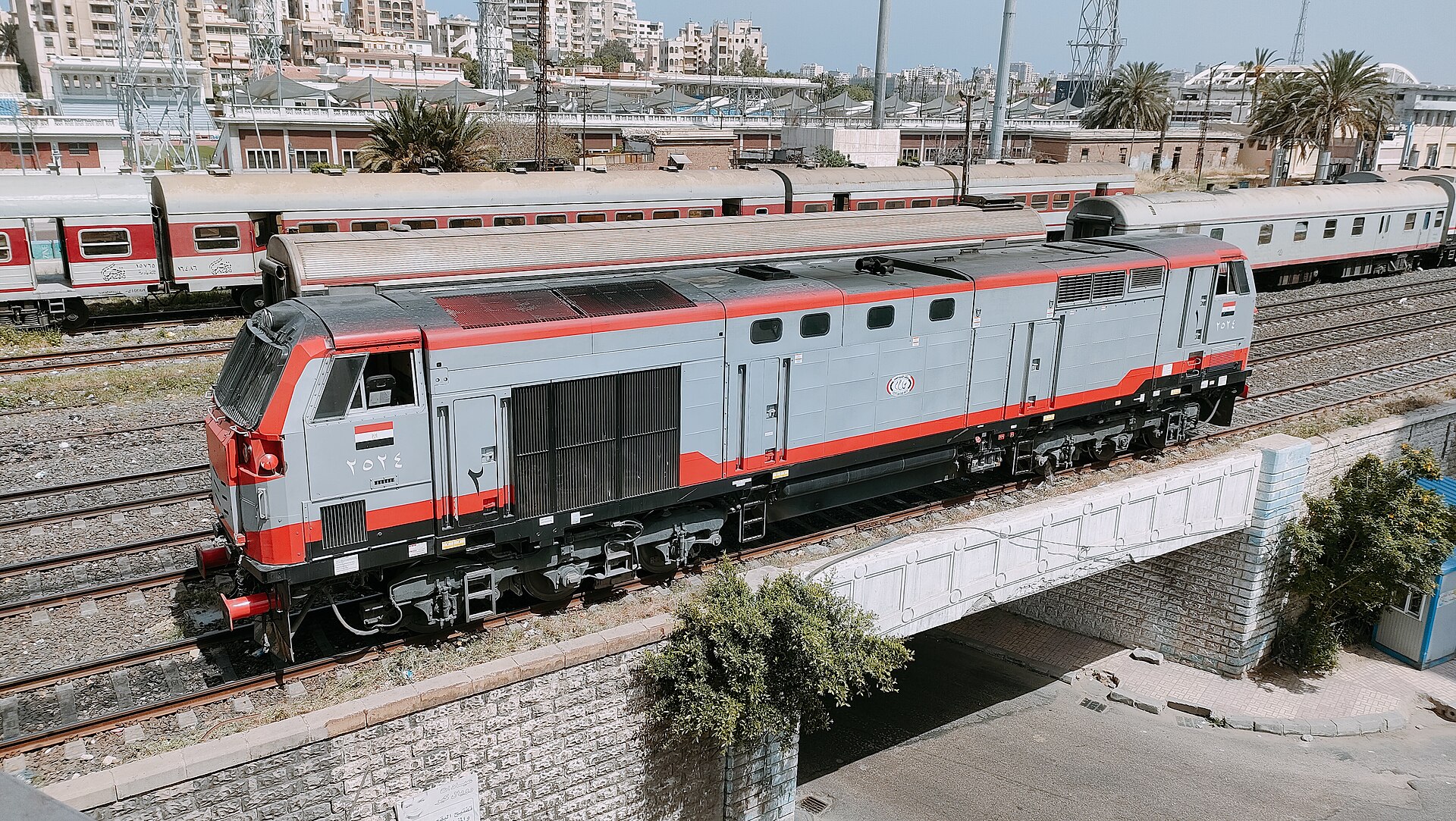
Two passenger trains collided on Sunday south of the Egyptian capital, Cairo, killing seven people and injuring at least 125, Egyptian authorities said, in the latest deadly crash on a railway network with a long history of disasters. The collision derailed several carriages and set off a major emergency response in the district of Al-Ayyat, about 52 kilometers south of Cairo.
The crash happened between Kafr Ammar and Al-Raqqa stations in Giza governorate, according to the Transportation Ministry. A train travelling from Giza to Fayoum, train No. 134, struck the rear of a train heading from Cairo to the southern city of Aswan, train No. 2010, which was stationary on the same track. An inspection indicated the Cairo-Aswan train had stopped on the tracks, officials said, but authorities have not said why it was halted there, and no official cause of the collision has been announced.
The casualty toll rose through the day as hospitals reported in. The Health Ministry first reported four people dead and 88 injured, then raised the toll to seven dead and 112 injured. The Chief Prosecutor's office later put the number of injured higher, at 125, and the Health Ministry said 132 cases had been received at hospitals in all. By Sunday evening, 71 of the injured had been discharged after treatment, while dozens remained in hospital with injuries including fractures to limbs, pelvises and vertebrae, and wounds to the head and face.
The driver of the Giza-Fayoum train was among those killed, prosecutors said. Seventy-two ambulances took part in transporting and evacuating the injured. Al-Wasta Central Hospital took in 87 patients, including three of the dead, Al-Ayyat Central Hospital received 34, and Atfih Central Hospital took 11, including four of the dead. Health Minister Khaled Abdel Ghaffar visited hospitals as the injured were treated across the Giza region.
President Abdel Fattah el-Sisi said he was following the accident with great concern and ordered a prompt investigation, saying anyone found responsible through negligence would be held accountable. Transport Minister Kamel al-Wazir visited the scene. The Public Prosecution said its investigators had arrived at the site late on Sunday to examine the wreckage and establish the technical circumstances that led to the collision.
The crash disrupted services on the main line running south from Cairo toward Beni Suef and Upper Egypt, with trains between Giza and Upper Egypt suspended and no timeline yet given for full service to return. The Russian embassy in Cairo said preliminary information showed no Russian citizens were among the dead or injured.
Al-Ayyat carries a grim history. It was the site of Egypt's worst-ever rail disaster, a train fire in 2002 that killed more than 370 people, and two freight trains collided in the same district last September. Egypt's railways have suffered a series of fatal accidents over the years, many of them blamed on outdated signaling, poor maintenance and human error, and successive governments have promised modernization that has come slowly.
The government has invested in new locomotives and signaling in recent years, including a major program to upgrade the network, but Sunday's crash is a reminder of how far the system still has to go. Until prosecutors release their findings, the central questions remain unanswered: why the Aswan-bound train was standing on the track, and what failed to stop the train behind it.
What happens next is an investigation that Egyptians have seen many times before, and a test of whether this one produces accountability rather than only promises. For the families of the seven dead and the more than 100 injured, the answers cannot come quickly enough.
Reporting: Associated Press
Spot an error? Orbit News corrects articles promptly and notes the correction in the article. See our Editorial Policy, or flag an error by messaging us on Facebook, X, or Instagram.