World
Houthis Claim Drone and Missile Attacks on Saudi Oil Pipeline, Yanbu and Riyadh
Yemen's Houthis say they hit a pumping station on Saudi Arabia's East-West pipeline and an oil facility in Yanbu, as the kingdom's Hormuz bypass becomes a target in the widening Gulf war.
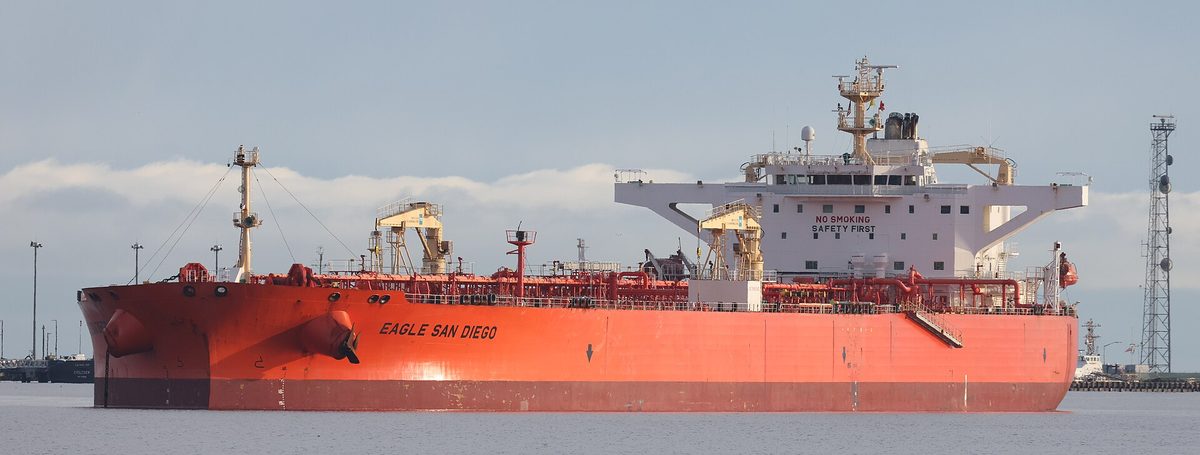
Yemen's Iran-aligned Houthis said on Thursday, November 12, that they had attacked a pumping station on Saudi Arabia's East-West oil pipeline and an oil facility in Yanbu on its Red Sea coast, amid a sharp escalation in hostilities between the kingdom and the group. The Houthis also said they had attacked an Aramco building in the capital, Riyadh. Saudi Arabia did not immediately respond to a request for comment, and there was no Saudi confirmation of damage at any of the three sites.
Houthi military spokesperson Yahya Saree said the first operation targeted Pumping Station No. 7 on the East-West line with a drone, and a second hit the Yanbu facility with a ballistic missile. The Houthis did not say which day the attacks took place. The Saudi-led military coalition fighting the Houthis said later on Thursday it had intercepted and destroyed two drones launched by the group, one in the Riyadh region and another in the kingdom's oil-rich Eastern Province.
Separately, the Houthi military spokesperson on Thursday denied that the group had targeted Mecca with two ballistic missiles that Saudi Arabia's civil defence said had been intercepted and destroyed on Wednesday, with debris falling in the Mecca region, including in Sabuhah village. The Houthis have repeatedly denied targeting Mecca and Medina, Islam's two holiest cities, rejecting previous Saudi-led coalition accusations that they had launched drones towards the cities. Saree also rejected the Saudi account that the group had targeted the Mecca region, calling it a 'grave falsehood.'
The pipeline at the center of the claims is Saudi Arabia's escape hatch from the Strait of Hormuz. The East-West pipeline connects crude oil production and processing facilities in eastern Saudi Arabia with Yanbu on the Red Sea coast. Because it allows crude oil to be transported to the Red Sea without passing through the Strait of Hormuz, it serves as an alternative export route when the blockade of the strait or shipping risks increase. With the conflict in the Middle East disrupting oil flows through the Strait of Hormuz, Riyadh has rerouted about 4 million barrels per day of crude via the East-West Pipeline to Yanbu, equivalent to about 4 percent of global supply.
The pipeline has spared Saudi Arabia, the world's biggest exporter, from the brunt of the impact of the wartime shutdown of the Strait of Hormuz that has crippled exports from its neighbours. Yanbu, on the Red Sea coast, is the western terminus of the pipeline and a major oil export hub, so if the two facilities were actually hit, it could be a matter related to Saudi Arabia's crude oil bypass export capacity. That is what makes the claims significant even before they are confirmed: the target is not a random installation but the route carrying roughly 4 percent of the world's oil around the strait.
The group has been firing ballistic missiles and drones at Saudi airports, ports and oil installations, turning U.S. ally Saudi Arabia into a pressure point in a war that began with the U.S. and Israel attacking Iran in February. The Houthis seized Yemen's capital Sanaa in 2014, prompting Saudi Arabia to intervene militarily the following year in support of the internationally recognised government. A UN-brokered truce in 2022 largely froze the conflict, but hostilities resumed earlier this year, with the Houthis launching missile and drone attacks on Saudi territory and Riyadh carrying out airstrikes in Yemen. The latest escalation has threatened the strategic Bab el-Mandeb Strait, a key shipping route linking the Red Sea and the Gulf of Aden.
As of Friday, the claims remained unverified. The Houthis gave no date for the attacks, Riyadh had not confirmed damage at any of the three sites, and the Saudi side had not officially confirmed the scale of damage or operational setbacks at the pumping station and Yanbu facilities. The coalition's interceptions over Riyadh and the Eastern Province are the only kinetic events confirmed by either side, and they do not by themselves prove that the pipeline or Yanbu were hit. The war of words between the two sides regarding the Houthis' attack claim and Saudi Arabia's interception announcement continues.
The attacks, claimed or real, land in a week when the Gulf's security architecture is visibly shifting. On Friday, Turkey and Qatar signed a mutual defence agreement in Istanbul pledging a unified stance against any external armed attack, and in August Turkey, Saudi Arabia and Pakistan signed their own joint defence pact in Mecca. The Houthi campaign is the pressure those pacts are meant to answer: a sustained effort to make Saudi Arabia's oil infrastructure, and the bypass route that protects it from a Hormuz shutdown, into a target in its own right.
What to watch now is evidence. Satellite imagery, Saudi statements on the condition of Pumping Station No. 7 and the Yanbu facility, and any further Houthi claims will determine whether Thursday's announcement was a successful strike, an exaggeration or a bluff. If the pipeline was hit and damaged, the consequences would reach beyond Saudi Arabia: about 4 million barrels a day of crude, roughly 4 percent of global supply, moves through that line, and any sustained threat to it would push oil prices higher and put the world's Hormuz bypass under the same kind of pressure as the strait it was built to avoid.
Why it matters: Orbit covered the Hormuz crisis on Friday, when Iran claimed a radar strike in Bahrain and a tanker struck a mine in the strait. This story is the other half of that crisis: with the strait disrupted, Saudi Arabia's East-West pipeline is the route keeping Gulf oil moving, and the Houthis have now made it a declared target. Whether or not Thursday's attacks did damage, the claim itself signals a widening of the war — from the strait and the sea lanes to the overland bypass that was supposed to be safe — and it is the reason the Gulf's new defence pacts, from Mecca to Istanbul, are being signed in such a hurry.
Reporting: Reuters · Barbados Gazette
Spot an error? Orbit News corrects articles promptly and notes the correction in the article. See our Editorial Policy, or flag an error by messaging us on Facebook, X, or Instagram.