World
Ukraine Fires Nearly 1,200 Drones at Russia in One of Its Biggest Attacks of the War
Kyiv's overnight barrage came as U.S.-led talks widened to include European security, and as Russia's own drones killed civilians in Odesa, Zaporizhzhia and Kyiv.
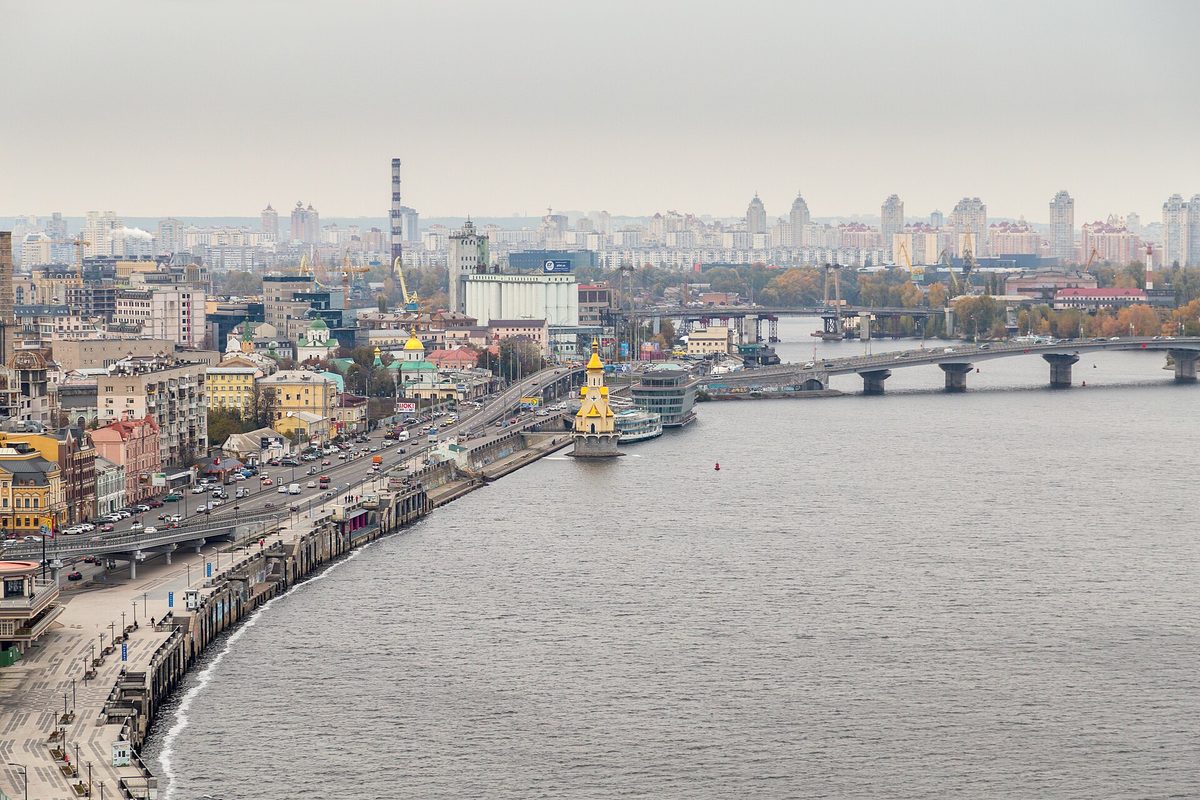
Ukraine fired almost 1,200 drones at Russian targets overnight in one of its biggest aerial attacks since Moscow's full-scale invasion nearly five years ago. The barrage, launched overnight from Thursday into Friday, November 12 to 13, came as American envoys pushed peace talks forward and as Russia's own overnight drone attacks killed civilians in Ukrainian cities.
Russia's Defense Ministry said its air defenses downed 1,198 Ukrainian long-range drones between late Thursday and early Friday. However, strikes on three Russian regions killed seven people, including a 12-year-old, and wounded 17, local officials said. Kyiv has not confirmed how many drones it launched, and Moscow's interception figure has not been independently verified. Ukraine's General Staff said it hit an oil refinery in the Russian city of Volgograd, starting a fire. The refinery has a capacity of about 110 million barrels per year, it said.
The massive drone barrage appeared designed to show that Kyiv is holding its own in the war, countering Moscow's insistence that a Russian victory is inevitable. Ukraine has repeatedly hit Russian refineries, claiming last month it neutralized more than half of Russia's refining capacity. Kyiv's forces are using drones and ground robots to help defend against Russia's army along the about 1,200-kilometer (750-mile) front line snaking down eastern and southeastern Ukraine, while Moscow, with its troops largely bogged down on the battlefield, has used strategic bombardment of civilian areas to hurt Ukraine.
Russia launched 117 drones against Ukraine overnight, killing at least two people, including a 17-year-old, authorities said. A single Russian attack on Friday on southern Zaporizhzhia hit two five-story apartment blocks and wounded 30 people, including six children, officials said. In the Black Sea port of Odesa, strikes killed two women, ages 44 and 50, and destroyed a house, an animal and veterinary clinic building, a warehouse and several cars, according to the Ukrainian National News Agency. In Kyiv, a drone struck a medical facility, injuring three people, blowing out the windows of the nearby National Academy of Arts and narrowly missing patients, who had to be evacuated by firefighters through a smoky haze.
Russian attacks on Ukraine's energy infrastructure caused widespread power outages across about half of the country's regions on Friday, said First Deputy Minister of Energy Artem Nekrasov. Moscow has battered Ukraine's power grid each winter since the war began, hoping to weaken public morale, and the latest strikes landed as the country heads into what officials have warned could be the war's toughest winter. The war has killed hundreds of thousands of soldiers and thousands of civilians, analysts and humanitarian organizations say.
The fighting escalated even as diplomacy advanced. After two days of talks with Russian and Ukrainian delegations in Abu Dhabi this week, U.S. envoys went in person to brief Russian President Vladimir Putin in the Kremlin and Ukrainian President Volodymyr Zelenskyy, who was meeting with European leaders in Dublin, Ireland. U.S. envoy Jared Kushner said Russia has agreed to include Europe in upcoming talks, after Moscow's long insistence that the continent's governments should be excluded because they supported Ukraine. Europe's presence at the table will allow negotiators "to address the broader postwar European security arrangements alongside the territorial issues between Ukraine and Russia," Kushner said on X.
European leaders welcomed the opening but warned against a trap. "Russia wants to talk about questions of European security architecture. We don't need to talk about that. There is one," German Chancellor Friedrich Merz said, referring to the NATO military alliance. The European Union's top diplomat, Kaja Kallas, said Europe must insist on a ceasefire before taking the negotiations further, the opposite of what Putin demands. "If we start to talk about what Russia is asking regarding the security architecture, we actually walk into the traps that Russia is setting us," she said in Dublin. Luxembourg Prime Minister Luc Frieden insisted that Europe must take its fate into its own hands. "We cannot let neither the Americans nor the Russians decide about our future," Frieden said.
The Institute for the Study of War said in an assessment on Thursday that Moscow is aiming "to dismantle NATO and the post-Cold War European security architecture." Kremlin spokesman Dmitry Peskov reaffirmed that Russia is open for contacts with the Europeans, saying that once Moscow understands Europe's "true intentions and their readiness to facilitate the peace process," it will be possible to make a decision on holding a dialogue regarding a settlement in Ukraine "in an expanded format." European leaders meeting in Dublin agreed that EU institutions and five countries from the Coalition of the Willing, Britain, France, Germany, Italy and Poland, would represent Europe in the negotiations, European Council President Antonio Costa announced.
Zelenskyy on Friday also repeated his complaints about drone speed limits on the U.S. Starshield system, SpaceX's military-grade version of the Starlink satellite internet service, that Ukraine needs for its defense. The speed restrictions are limiting Ukrainian drones to 161 kph (100 mph) on the entire front line and in Russian-occupied territory, he said, making it impossible for Kyiv to deploy its interceptors effectively against Moscow's fast-moving jet-powered drones. "We still have no clear explanations," he said of the unannounced restrictions, after first raising the issue on Thursday. Elon Musk acknowledged in October that his company SpaceX had throttled the Starlink internet service in Ukraine for about a week, saying the system couldn't be used for offensive strikes against Russia.
Why it matters: This is the second major Ukraine development in two days for Orbit: on November 13 we reported that Europe had won a seat at the next round of talks and that envoys were pushing a record prisoner swap. Friday's barrage shows both sides are still fighting for leverage while they talk — Kyiv demonstrating it can strike deep inside Russia, Moscow demonstrating it can still hit Ukrainian cities and power grids. The new question is whether the expanded talks, now set to include Europe, can produce a ceasefire before winter, or whether the widened agenda gives Moscow the opening to stall while the war grinds on.
Reporting: Tri-City Record · New York Post
Spot an error? Orbit News corrects articles promptly and notes the correction in the article. See our Editorial Policy, or flag an error by messaging us on Facebook, X, or Instagram.