Business
Fed Minutes Land Wednesday as Traders Bet on Another December Rate Hike
Minutes from the Federal Reserve's October meeting arrive on Wednesday, and investors will comb them for clues about a December rate hike that markets now see as a near certainty.
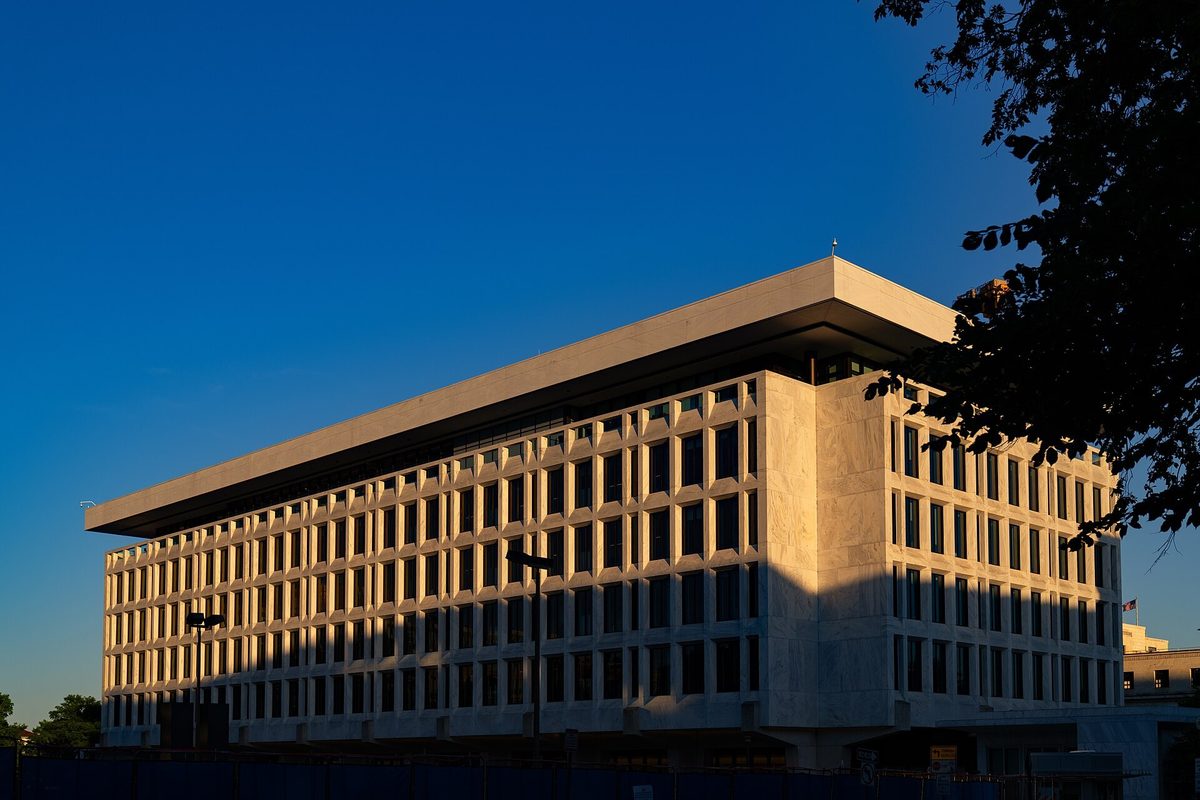
The Federal Reserve's interest-rate debate returns to focus this week, with minutes from the central bank's October policy meeting due for release on Wednesday, November 18, at 2 p.m. Eastern. The minutes will recount the discussion behind the committee's decision to hold rates steady — a decision that split the committee and set up the next rate call on December 9.
The October meeting, held on October 27 and 28, ended with the Federal Open Market Committee voting 10 to 2 to maintain the target range for the federal funds rate at 3.75 to 4 percent. Voting against the action were Governor Lisa D. Cook and Cleveland Fed President Beth M. Hammack, who preferred to raise the target range by a quarter of a percentage point at that meeting. The committee said economic activity was expanding at a strong pace, job gains had kept pace with the workforce, and the unemployment rate had changed little — but that 'inflation remains elevated' and 'the Committee will deliver price stability.'
The minutes matter because the October decision was a pause, not a settlement. The Fed raised its benchmark interest rate by 25 basis points in September, the first rate increase in three years, and the October meeting was the first chance for officials to debate whether to keep tightening. The minutes will show how divided the committee was, including the views of participants who do not vote, and whether the two dissenters for a hike had company among the non-voting members.
Markets have already made up their minds about December. CME Group's FedWatch tool currently indicates a 96 percent probability of a quarter-point rate hike when the Fed meets next month, on December 9. With inflation running about 1.6 percentage points above the Fed's 2 percent target, the odds are good that the Fed will approve another quarter-point increase — and investors could react strongly if the minutes suggest officials are considering more aggressive action, such as a half-point hike.
The debate inside the Fed is about what is driving inflation. Stubborn price pressures were behind the Fed's pivot to tighter monetary policy, and tariffs have contributed to the problem, but they are not the entire story. Research from the Federal Reserve Bank of St. Louis found that tariffs added about 0.5 percentage points to inflation in June, while other factors — particularly higher energy prices tied to the Iran war — contributed about 1.2 percentage points. That split matters for policy: tariff-driven inflation is supposed to fade, while energy-driven inflation can persist.
The minutes arrive in a market that is already rattled. Since 2000, the S&P 500 and Nasdaq have dropped by an average of 11 percent and 17 percent, respectively, within three months of the first hike in a new tightening cycle. The current drawdown has so far been less severe than average, but the Nasdaq has entered correction territory and the three-month window is not yet over. Higher interest rates can hurt stocks by raising borrowing costs, which slows consumer and business spending and pressures corporate profits, and by making bonds look more attractive, which can motivate investors to pull money out of the stock market.
Fed Chair Kevin Warsh, who has promised to restore price stability, weighed in on Monday at the central bank's Productivity and Jobs Task Force conference in San Francisco, saying that new technologies will have a significant impact on the economy. He said the possible scenarios range from rising growth with broadly shared gains to higher unemployment and a potential slowdown if anticipated investment returns prove disappointing — a reminder that the Fed is weighing the risk of slowing growth against the risk of letting inflation run.
The minutes are a record of an earlier meeting, not a new rate decision, and they cover a discussion that took place before the October consumer price index was released. That limits what they can say about where inflation stands now. October retail sales figures were also due on Tuesday morning, and economists expected a rise of about 0.2 percent after a 0.8 percent rise in September — another data point that could strengthen or weaken the case for a December hike.
What investors will be reading for on Wednesday is not the decision, which is already public, but the language: how many officials sounded worried about inflation, how many worried about growth, and whether anyone argued for moving faster. The October statement said that 'the accumulation of more information will help the Committee determine the policy stance appropriate to ensure a timely return of inflation to 2 percent.' The minutes will show what information the committee was waiting for — and whether, three weeks on, it has arrived.
Why it matters: The Fed's October minutes are a look backward that markets will read as a forecast: if the committee was already leaning toward another hike in late October, a December increase is all but locked in, and the only question is how far and how fast the tightening goes. The stakes are high because the market is already in a correction and the economy is caught between sticky inflation and slowing growth. A hawkish set of minutes would confirm the market's worst fear — that the Fed will keep raising rates into a downturn — while a divided record would leave room for a pause.
Reporting: Federal Reserve · Motley Fool
Spot an error? Orbit News corrects articles promptly and notes the correction in the article. See our Editorial Policy, or flag an error by messaging us on Facebook, X, or Instagram.