World
Israel's President Hands Netanyahu Rival Eisenkot the First Chance to Form a Government
President Isaac Herzog gave the former military chief 28 days to build a 61-seat coalition after the October 27 election left Netanyahu's Likud the largest party but without a majority.
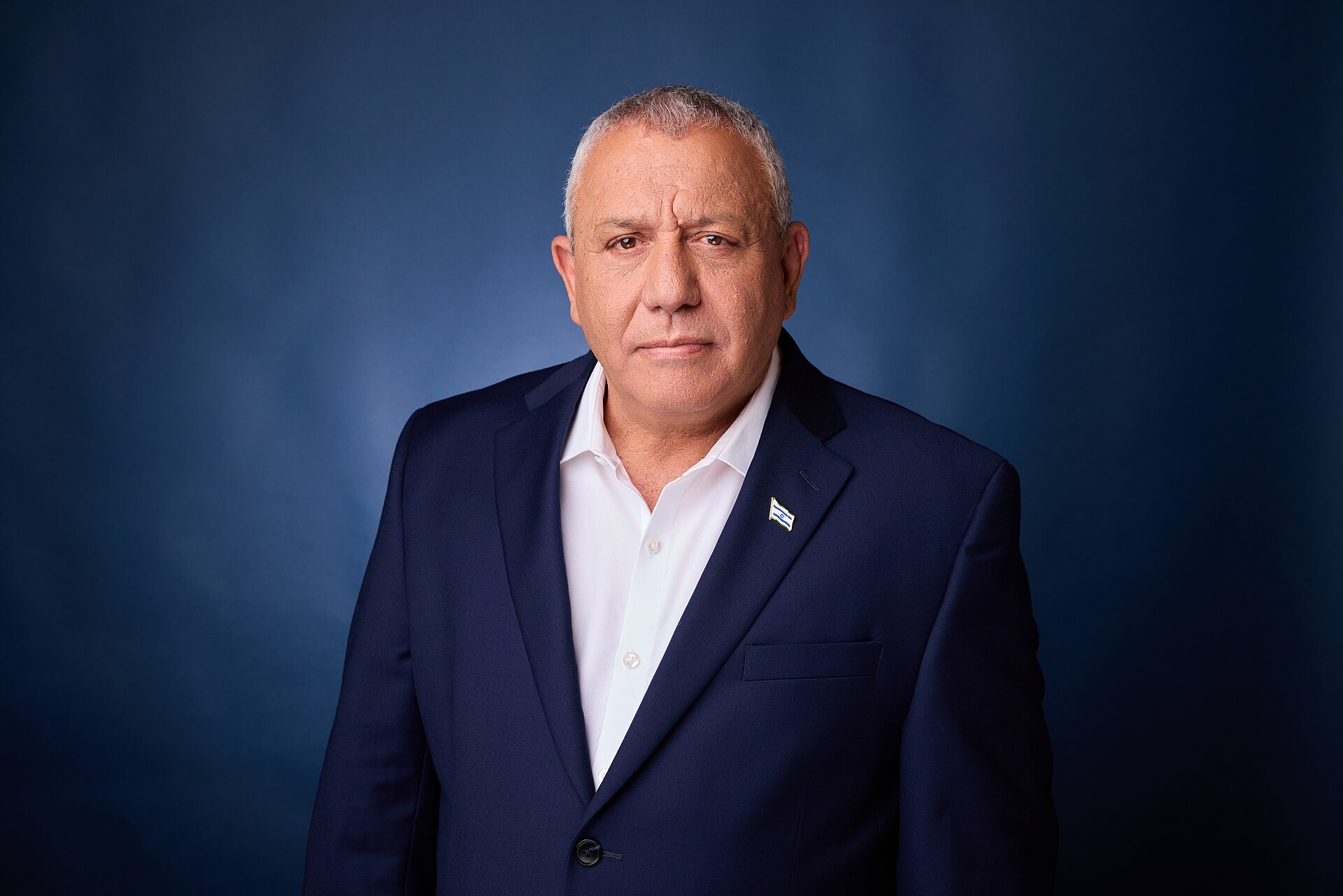
Israel's president has tapped Prime Minister Benjamin Netanyahu's main political rival, Gadi Eisenkot, to try to form the next government, handing the former military chief the first opportunity to replace Israel's longest-serving premier after an inconclusive election left no clear majority in parliament. President Isaac Herzog formally gave Eisenkot the mandate in a ceremony at the President's Residence in Jerusalem on Sunday.
Herzog announced the decision on Saturday evening, after a week of consultations with the parties elected to the 26th Knesset. Representatives of factions totaling 67 members of the 120-seat parliament recommended Eisenkot, while factions totaling 46 recommended Netanyahu, and one faction of seven members chose to recommend no candidate. "By virtue of my authority under Basic Law: The Government, I have decided to task the Leader of the Yashar party, Lieutenant General (res.) Gadi Eisenkot, with forming a government," Herzog said.
Eisenkot, a former chief of staff of the Israel Defense Forces, leads the center-right Yashar party, which he founded on an anti-corruption and government reform platform. He ran as the main challenger to Netanyahu in the October 27 election, leading a bloc of parties seeking to oust the prime minister. Netanyahu's Likud party won 27 seats, six more than Eisenkot's Yashar, but failed to secure a parliamentary majority, and the wider picture favored his rival: Netanyahu's right-wing and religious bloc holds 53 seats, while the Eisenkot-led opposition holds 48.
Eisenkot now has 28 days to put together a coalition government, with a possible 14-day extension from the president. The arithmetic is daunting. He needs 61 seats, and the recommendation count that won him the mandate is not a governing majority, because it includes Arab-led parties that Eisenkot and others have signaled they will not govern with. Avigdor Liberman, whose Yisrael Beytenu party is part of the opposition bloc, has ruled out relying on those parties, leaving Eisenkot to search for combinations that may not exist.
Netanyahu, who remains prime minister in a caretaker capacity until a new government is formed, moved quickly to shape the contest. Shortly before Herzog's announcement, he called in a video statement for a national unity government and warned against hastily swearing in a government with what he called terrorist supporters, an apparent reference to the Arab-led parties. Eisenkot, for his part, said in October that he unequivocally pledged he would not serve under Netanyahu in a rotation agreement.
The decision is a setback for Netanyahu, who has dominated Israeli politics for most of the past two decades and survived wars, corruption trials and repeated elections. The October 27 vote was the first election since the October 7, 2023 attacks, and it was fought in the shadow of that catastrophe and the wars that followed. Neither man won a clear majority, and the result left the country facing weeks of negotiation over who can command the support of 61 of the Knesset's 120 members.
Herzog acknowledged the difficulty in his remarks, noting the mutual vetoes between and within the blocs. He said he was well aware that Likud is the largest faction in the incoming Knesset, but that the recommendations, taken together with the consultations, pointed to Eisenkot getting the first attempt. If Eisenkot fails, the president may task someone else, and the country could face another election.
What happens next is a race against the 28-day clock. Eisenkot must persuade parties that have spent years opposing each other, and opposing Netanyahu, to sit in the same government, or find a way to govern with outside support from parties he has promised not to include. For Netanyahu, the weeks ahead are a fight for political survival from the unfamiliar position of watching a rival try to build the coalition he could not. For Israel, after an election that settled almost nothing, the uncertainty that has defined its politics for years is set to continue.
Reporting: Office of the President of Israel
Spot an error? Orbit News corrects articles promptly and notes the correction in the article. See our Editorial Policy, or flag an error by messaging us on Facebook, X, or Instagram.