Business
Virgin Galactic Crashes 31% as $250 Million Stock Sale Spooks Investors
Shares fell to $1.84 after the space tourism company said it would sell up to $250 million of stock and pushed its first commercial flight to early 2027.
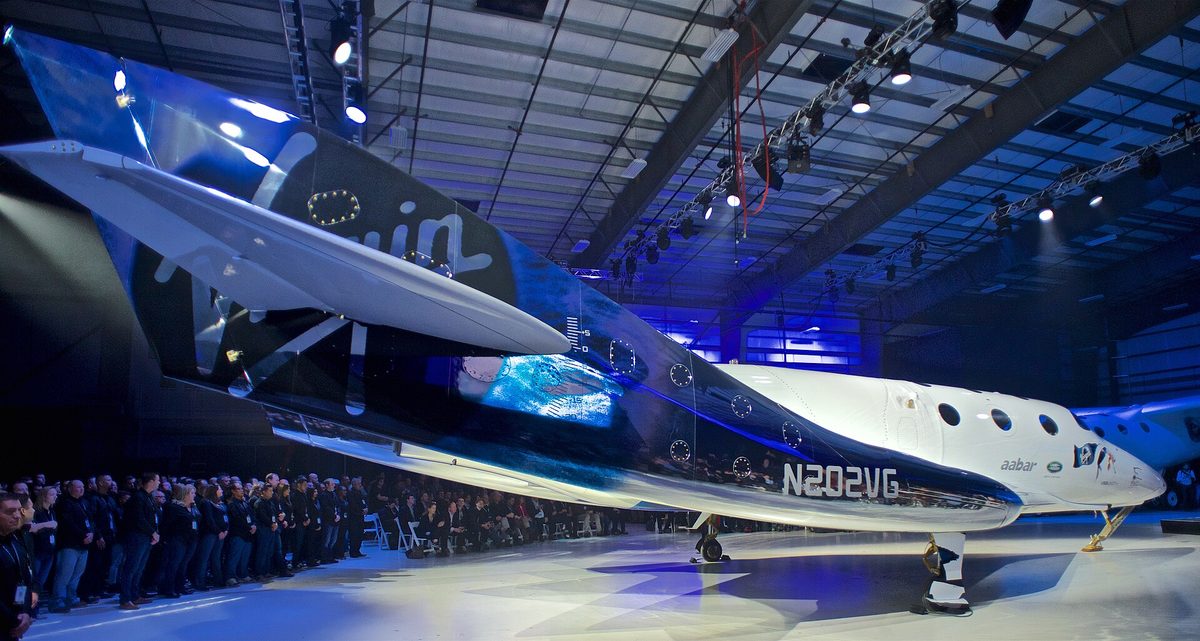
Virgin Galactic shares imploded on Friday, tumbling 31.09 percent to close at $1.84, after the space tourism company reported third-quarter results and unveiled a plan to sell up to $250 million of stock. The stock fell 23.4 percent through 11 a.m. ET despite beating analyst expectations on both sales and earnings.
Heading into the report, analysts forecast Virgin Galactic would lose $0.47 per share on sales of just $231,670 for the quarter. Virgin beat on both top and bottom lines, with a loss of only $0.39 per share and sales of $430,000. In the morning, the stock traded at $2.16, down 52 cents in the first half hour, and it kept falling into the close.
The earnings beat did not matter, because neither sales nor earnings mean much for Virgin Galactic stock right now. For the last two and a half years, the company has been a space tourism business that cannot actually fly tourists to space, having retired its last Unity spaceplane in June 2024.
What moved the stock was the financing plan and the schedule. The company set up a program to sell up to $250 million of stock, and selling new shares spreads the company across more shares, which usually pushes the price down. At the same time, Virgin said its Apeiron spacecraft, the first of its Delta-class series of spaceplanes, will not make its first commercial spaceflight before early in the second quarter of 2027, with a second spaceplane joining in late in the second quarter or early in the third quarter of 2027.
That timeline is the problem for investors. Virgin will not begin to resume space tourism flights for another six months, and in its report the company predicted its two spaceplanes together will fly only 150 times per year by the end of 2028. An analyst who had hypothesized that four flights a week, or about 200 a year, would practically guarantee positive free cash flow in 2027 now expects the company will still be burning cash two years from now.
Judging from Friday's selling, shareholders do not want to wait that long. The shares closed at $1.84, down 83 cents on the day, after falling 19 percent or more in morning trading and 23.4 percent by 11 a.m. ET.
The company's value as a space stock depends on flying its two spaceplanes as often as possible, and the math is unforgiving: at 150 flights a year by the end of 2028, the company will still be burning cash two years from now, by the Fool's reckoning. Investors who bought the stock for a quick return to commercial flights got the opposite — a longer wait and a bigger share count.
The company has not flown paying customers since it retired Unity in June 2024, and its next spacecraft will not carry its first commercial passengers before early in the second quarter of 2027. Until Apeiron flies, Virgin Galactic remains a space tourism company without a product — and a stock the market is valuing accordingly.
Why it matters: Virgin Galactic's crash is a lesson in what actually moves a pre-revenue stock: not the quarter's numbers, which beat expectations, but the two things that determine whether the company ever makes money — when it flies and how many shares it must sell to get there. Both answers got worse on the same day: flights slipped into 2027, the flight rate two years out is only 150 a year, and a $250 million stock sale will dilute everyone holding the shares. The bull case now depends entirely on Apeiron hitting its dates. If it slips again, there is little left in the story to hold the stock up.
Reporting: Motley Fool · Seeking Alpha
Spot an error? Orbit News corrects articles promptly and notes the correction in the article. See our Editorial Policy, or flag an error by messaging us on Facebook, X, or Instagram.