Business
Cerebras Lands Microsoft as Record Quarter Beats Expectations
Core revenue jumped 70% to $230.9 million and the AI chipmaker raised its full-year outlook, naming Microsoft as its third hyperscaler customer.
Cerebras Systems signed Microsoft as a cloud customer and reported a record third quarter, giving the Nvidia challenger its third hyperscaler client after Amazon Web Services and Oracle. Core revenue rose 70 percent year on year to $230.9 million in the three months ended September 30), the company said as it reported results.
Reported revenue under standard accounting rules was $210.8 million, up 55 percent, Briefing.com reported. Adjusted profit came in at $29.8 million, against an adjusted loss of $10.9 million a year earlier, while analysts had expected an adjusted loss of $38.4 million, Reuters reported.
The quarter showed how fast Cerebras is changing from a hardware seller into a cloud company. Cloud and other services revenue surged 272 percent to $144.9 million on the company's adjusted core measure, about 63 percent of core revenue. Core hardware revenue increased 5 percent from the previous quarter to $86 million, and the core gross margin reached 41 percent.
Microsoft is the strategic prize. Cerebras said in its earnings release that it had signed an important cloud deal with a top-three hyperscaler, and chief executive Andrew Feldman confirmed the customer is Microsoft. The company gave no value or terms for the contract and said it would share more details next year. Microsoft joins Amazon Web Services and Oracle as Cerebras's hyperscaler customers, giving the company three such wins in six months, according to Briefing.com.
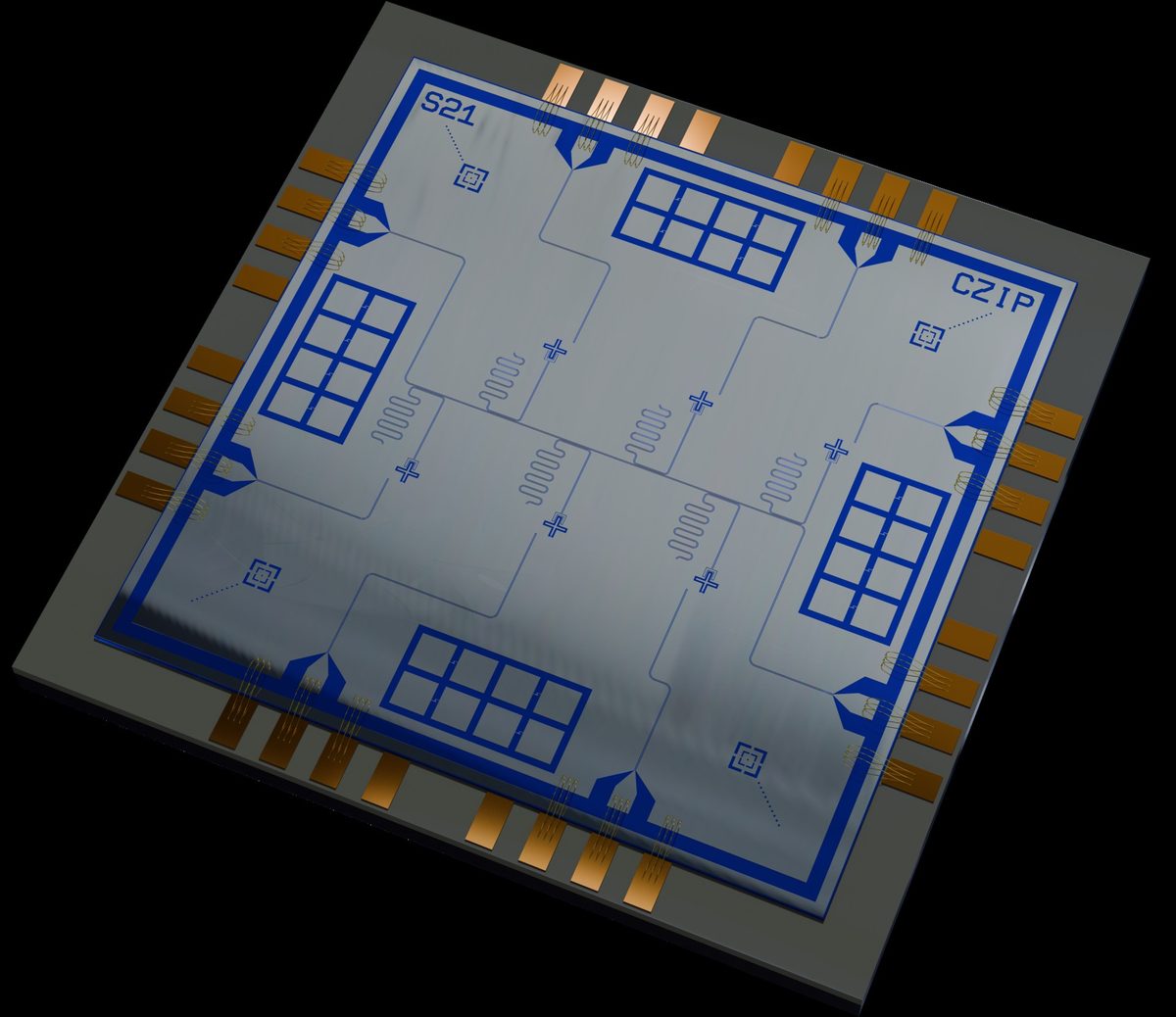
Cerebras builds wafer-scale chips — a single processor the size of a dinner plate — aimed at fast AI inference, positioning itself as an alternative to Nvidia's GPU-based systems at a moment when cloud providers are hunting for more inference capacity.
The company raised its full-year 2026 core revenue outlook to between $940 million and $960 million, up from $880 million to $890 million, and guided fourth-quarter core revenue to $310 million to $330 million. Shares surged about 17 percent on Friday after the results, Reuters reported, adding nearly $4 billion to the company's market value if the gains held.
The backlog behind the outlook is large. Remaining performance obligations — contracted work not yet delivered — stood at $26.1 billion as of September 30. Cerebras said it now has 700 megawatts of data center capacity under contract for delivery by the end of 2027, but cloud growth remains constrained by capacity, with most of the new power only arriving around midyear.
The quarter was heavily concentrated in a small number of customers, and delivery delays under its $20 billion multi-year OpenAI deal stemmed from industry-wide shortages of land and power rather than chip manufacturing constraints, Feldman said on the earnings call, Reuters reported. The company disclosed $7.8 billion in liquidity, including restricted cash, alongside $850 million of undrawn borrowing capacity.
The rally also repaired some of the damage from a difficult run since the company's stock market debut. As of Thursday's close, Cerebras shares were down 47.2 percent from their May initial public offering price of $185, Reuters reported, and the rebound would add nearly $4 billion to the company's market value if the gains held. The advance calmed investor anxiety over massive AI spending that had been compounded this week by Nvidia chief executive Jensen Huang's resignation.
Why it matters: Microsoft matters more than the quarter's numbers: it is the third giant cloud provider to sign with Cerebras, after Amazon and Oracle, which turns a one-customer story into a real platform bet. The risk is concentration and capacity: revenue is concentrated in a handful of customers, and the company cannot grow faster than the data centers it is still building. But with $26.1 billion of contracted work on the books and a raised outlook, Cerebras has gone from a chip curiosity to a credible second source for AI inference, and its shares are trading like it.
Reporting: Reuters · Briefing.com
Spot an error? Orbit News corrects articles promptly and notes the correction in the article. See our Editorial Policy, or flag an error by messaging us on Facebook, X, or Instagram.