Business
Oil Holds Near $96 as Hormuz Attacks and Trump's Iran Snub Keep Traders on Edge
Brent settled at $95.84 after a week of tanker attacks in the Strait of Hormuz, even as the IEA said the market will be in surplus this quarter.
Oil held near $96 a barrel on Friday as traders weighed a week of attacks on tankers in the Strait of Hormuz against the first oil surplus since the Iran war began. Brent for January settlement added 2 cents to settle at $95.84 a barrel in New York, while West Texas Intermediate for December delivery declined 0.2 percent to settle at $88.56 a barrel.
Friday's calm followed a sharp rally on Thursday, when Brent crude settled 3.3 percent higher at $95.82 a barrel and U.S. West Texas Intermediate gained 2.6 percent to settle at $88.74. The jump reversed part of the week's earlier slide, and both benchmarks held near those levels in early Asian trading on Friday.
The rally was set off in Washington. President Donald Trump wrote in a post on social media on Thursday, 'We don't need a deal with Iran. Those days have long since passed.' He also told Vice President JD Vance to focus on domestic issues rather than negotiations with Tehran, throwing cold water on back-channel talks and dampening prospects for a diplomatic resolution to the war.
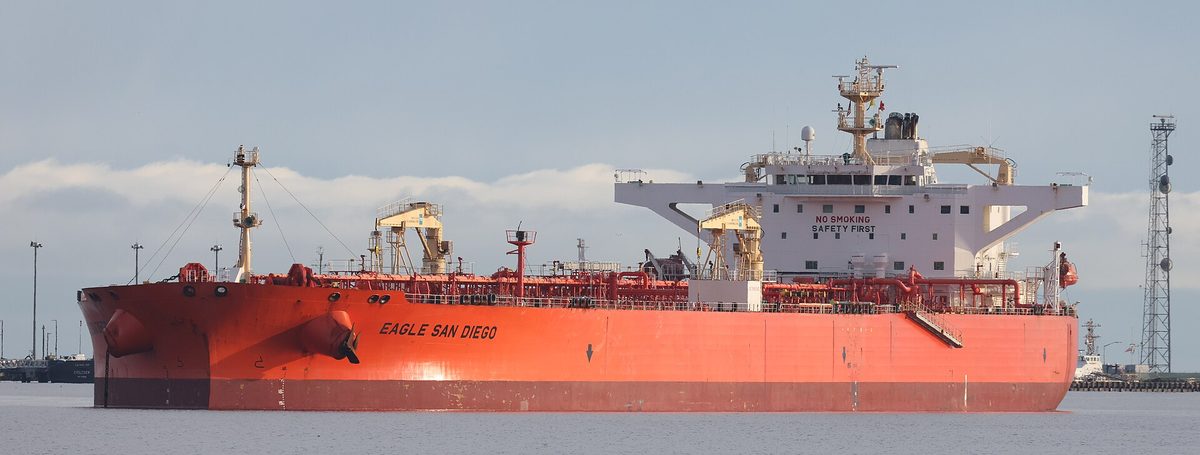
The physical threat to supply is real. Iran's military said explosions hit four oil tankers in the Strait of Hormuz on Thursday, claiming the vessels had ignored warnings and entered waters it treats as restricted. Reuters said it could not immediately verify the Iranian accounts.
Separately, Yemen's Houthis claimed they attacked a pumping station on the Saudi East-West oil pipeline, an oil facility in the Saudi Red Sea city of Yanbu, and an Aramco building in Riyadh. The Saudi-led coalition said it had intercepted two drones launched by the group, one in the Riyadh region and another in the kingdom's oil-rich Eastern Province.
The attacks are part of a wider pattern. There were 36 confirmed attacks on commercial ships in the Persian Gulf, the Strait of Hormuz and the Gulf of Oman in October, the highest monthly total since the war began, according to risk consultant Verisk Maplecroft, and more ships have come under attack this week. 'Hormuz remains a significant concern, with continued attacks on commercial shipping and disruption to energy infrastructure,' said Sid Perkins, founder, chairman and chief executive officer of brokerage Snapper Creek Energy.
Yet the market's bearish case has not gone away. The International Energy Agency said on Friday that the oil market will be in surplus this quarter for the first time since the war began, adding that there has been a significant hit to consumption this year and that transport fuel demand growth next year will only see a modest increase, in part because of the impact of high prices. U.S. inventories of crude and oil products rose last week and refinery runs climbed to a seasonal record.
Both benchmarks are still on track for a second straight weekly decline, and were still down about 2.5 percent for the week even after Thursday's jump. Brent touched a six-month high at the end of October before slipping.
Analysts are split on what comes next. Goldman Sachs recently raised its oil price forecasts, outlining an upside scenario in which Brent crude could climb to $140 per barrel in 2027, and average around $130 that year, if oil production across the Gulf region remains 3.5 million barrels per day below its 2025 average. Its central forecast is far lower, at $88 a barrel on average for 2027. For now, traders face two opposing pulls: a war that shows little sign of ending, and a market that has already priced in weeks of falling crude.
Why it matters: Oil is caught between a war premium and a surplus, and Friday's flat finish shows neither side winning yet. The tanker attacks and Trump's dismissal of a deal argue for higher prices, and Goldman Sachs is now warning of $140 crude next year in an upside scenario if Gulf output stays depressed. But the IEA's surplus call and the benchmarks' second straight weekly decline argue the other way: the market has more oil than it needs, and every diplomatic rumor knocks the price down. The next move will come from the Strait of Hormuz, not from a trading desk — one more tanker attack, or one credible sign of talks, will settle the argument.
Reporting: Rigzone · Europe Says · BOE Report
Spot an error? Orbit News corrects articles promptly and notes the correction in the article. See our Editorial Policy, or flag an error by messaging us on Facebook, X, or Instagram.