Business
TSMC and Samsung Pause Some Chip Shipments to China Under New U.S. Export Rules
The world's two largest contract chipmakers halted deliveries while they seek U.S. export licences, after Washington closed a loophole for Chinese chip designers.
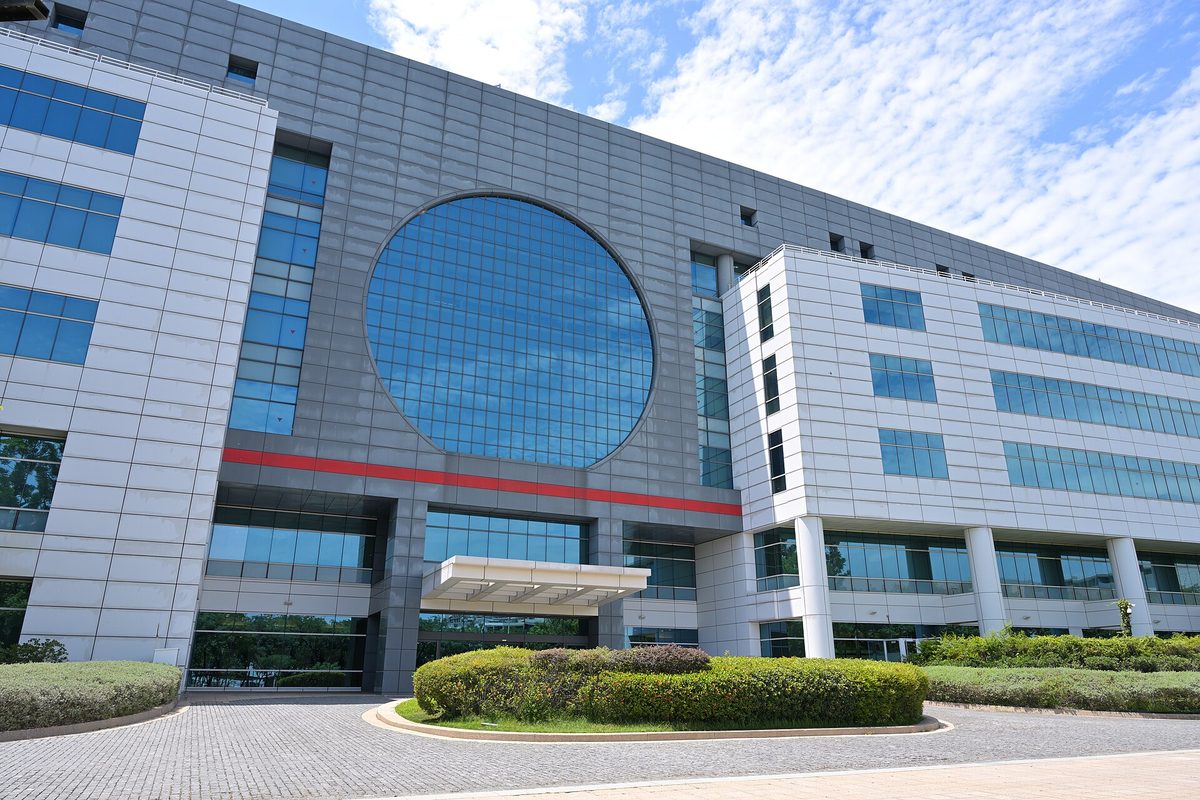
Taiwan Semiconductor Manufacturing and Samsung Electronics have suspended some chip shipments to Chinese customers following tighter U.S. export controls, the Financial Times first reported on Thursday, in a move that could extend beyond AI processors to consumer electronics. Both chipmakers informed Chinese customers in recent days that some deliveries would be halted while they seek licenses from the U.S. Commerce Department.
The pause follows new U.S. Commerce Department rules that took effect on Thursday, removing a compliance route that had allowed some Chinese designers to access advanced manufacturing services without individual export licences. The new rules close a pathway that let Chinese chip designers obtain high-performance processors through independent packaging and testing firms without direct U.S. approval.
TSMC, the world's largest contract chipmaker, is tightening restrictions on Chinese chip designers, suspending some previously permitted advanced manufacturing orders and generally limiting affected customers to older chipmaking technology, according to two people familiar with the matter. The company has instructed that affected orders using manufacturing processes of 16 nanometres and below be halted unless customers obtain U.S. export licences, the people said.
Chinese designers will generally be limited to older 28-nanometre and 40-nanometre processes, provided their chips do not use high-bandwidth memory or require advanced packaging, according to TSMC guidance reviewed by the two people. Most leading AI chips are produced using 7-nanometre processes or smaller, enabling faster and more energy-efficient performance, so the restriction effectively shuts Chinese designers out of the technology they need most.
The rules also reach beyond AI. They remove exemptions previously available for chips designed for non-AI applications, including smartphones, so TSMC and Samsung must now seek U.S. licenses for consumer chips manufactured using advanced processes. TSMC makes smartphone chips for Chinese brands including Xiaomi, Oppo, and Vivo, and both companies have told consumer electronics customers that their shipments are paused as well.
Consumer smartphone chips are still likely to receive U.S. export licenses, according to the Financial Times, citing industry sources — but the approval process could cause significant manufacturing delays. A lawyer briefed on the situation said the wait could hold up production for a significant time, leaving phone makers without clarity on when affected shipments can resume.
The move could close one of the last remaining routes for Chinese companies to produce powerful AI processors, complicating Beijing's efforts to develop domestic alternatives to chips designed by Nvidia and manufactured by TSMC. The measures could particularly affect Chinese companies developing alternatives to Nvidia's processors, including independent chip designers and technology giants that have developed in-house chips. Some Chinese AI chip designers still had access to TSMC's 7-nanometre manufacturing technology before Thursday, a separate source with direct knowledge of the matter said, though Reuters could not independently verify the arrangements under which those chips were manufactured.
TSMC is also stepping up its screening of Chinese customers, examining operating locations, parent companies, major shareholders, packaging providers, and shipping routes. The checks extend to orders placed through overseas subsidiaries or intermediaries, including entities in Taiwan, the United States, Europe, Japan, and Southeast Asia — closing off the workaround of routing orders through a foreign affiliate.
The U.S. government maintains a list of approved chip designers that includes Nvidia, AMD, Apple, and Taiwanese companies MediaTek and Realtek, but no mainland Chinese firms. Samsung's Chinese customers include Baidu's AI data center chip unit Kunlun and TikTok parent ByteDance, both of which have sought alternative chip supplies amid shortages of Nvidia processors in China. Taiwan's Commercial Times reported that Nvidia has stopped shipping previously authorized Hopper-generation data center products to China, adding to the supply uncertainty.
Chinese technology companies are already assessing the broader impact on their AI operations. Alibaba has warned that the restrictions could affect its global data center expansion, while Tencent said reduced access to advanced computing capacity could delay training of its next-generation AI models. For Beijing, the new rules are the latest tightening in a years-long campaign to limit its access to advanced computing — and for TSMC and Samsung, they mean a growing share of their business now depends on how quickly Washington grants the licenses they have applied for.
Why it matters: This is the export-control equivalent of closing the last open door: until Thursday, Chinese chip designers could get advanced processors made by routing around the rules through packaging firms and compliance checks; now the chips themselves are presumed controlled unless Washington says otherwise. The immediate pain falls on Chinese AI developers and smartphone makers, but the strategic effect is broader — it forces Beijing to choose between slowing its AI ambitions and pouring far more money into domestic fabs that are years behind TSMC. For the chipmakers, the risk runs the other way: every paused shipment is revenue waiting on a bureaucrat's signature, and the longer the licenses take, the more incentive their Chinese customers have to find suppliers Washington cannot touch.
Reporting: Reuters · TrendForce
Spot an error? Orbit News corrects articles promptly and notes the correction in the article. See our Editorial Policy, or flag an error by messaging us on Facebook, X, or Instagram.