Business
Lenovo Posts Record $30.2 Billion Quarter as AI Server Sales Nearly Triple
Revenue jumped 48% in the September quarter, beating estimates, as demand for AI infrastructure pushed the company's server business to its strongest quarter ever.
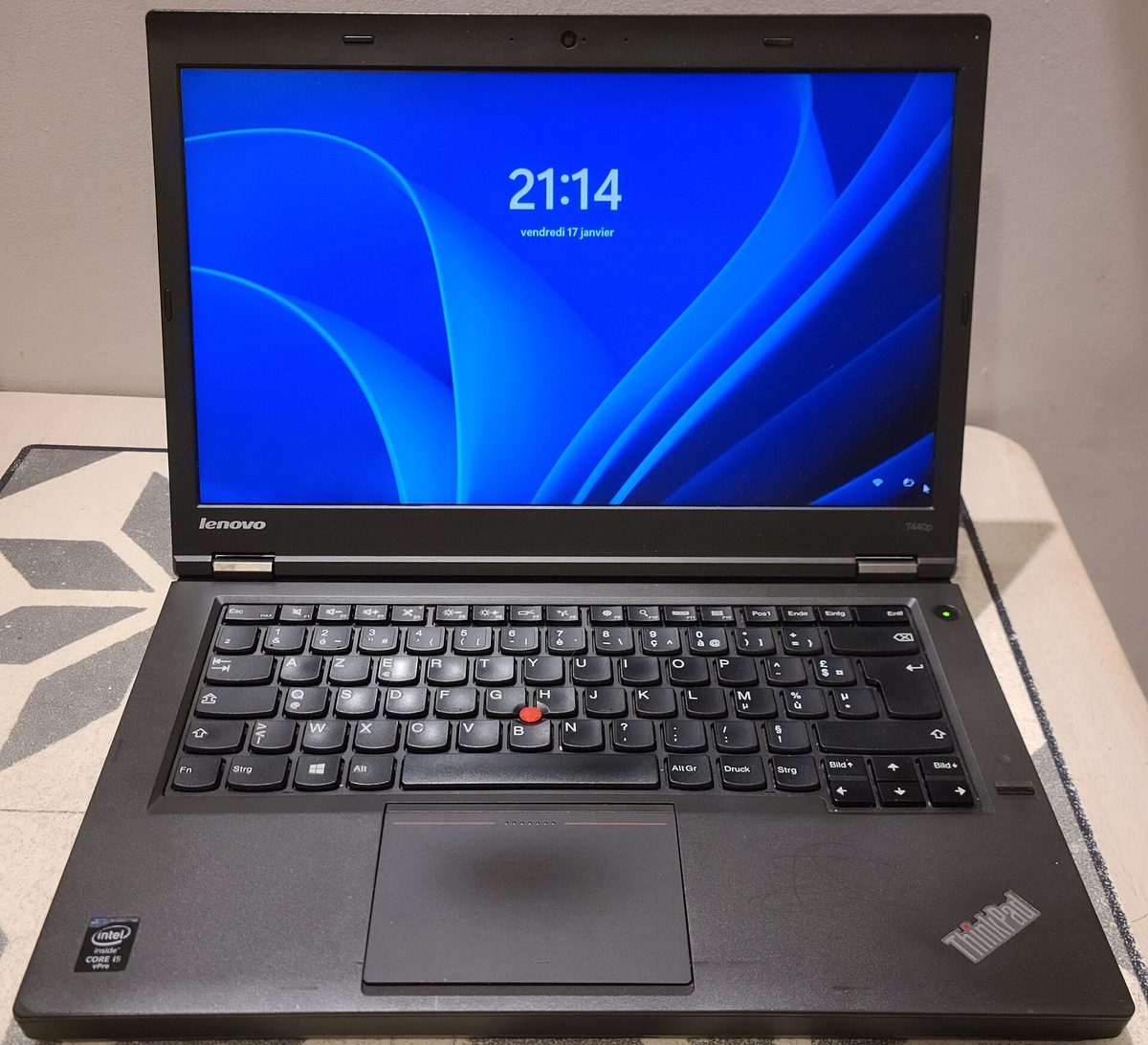
China's Lenovo reported a 48% jump in second-quarter revenue on Thursday, beating analyst estimates on strong growth in AI-related sales such as servers and other hardware. Revenue for the three months ended in September rose to $30.2 billion, above a consensus estimate of $27.6 billion drawn from six analysts, and the first time the company has topped $30 billion in a single quarter.
The headline result came with a complication in the bottom line. Under Hong Kong accounting standards, the company posted a net loss of $640 million, compared with a net profit of $340 million a year earlier. But Lenovo also said that under a different accounting measure, adjusted net profit was $1.4 billion, up 166% — a figure that strips out non-cash accounting items linked to warrants and convertible bonds issued as part of its strategic partnership with Alat, a manufacturing and technology company in Saudi Arabia. The adjusted profit of $1.36 billion was also higher than analysts' estimate of $1.27 billion in a Visible Alpha poll.
The engine of the quarter was the Infrastructure Solutions Group, which makes servers and data center equipment. The division had its strongest quarter ever, with revenue climbing 178% year-on-year to $11.3 billion and operating profit surpassing $1 billion for the first time. GPU server revenue grew more than 300% year-on-year, supported by a pipeline that grew 48% quarter-on-quarter to $80 billion.
AI-related revenue across the group rose 79% to $10.8 billion, making up 36% of total revenue. The surge reflects demand from cloud service providers building out AI capacity, but also a broadening customer base: revenue from enterprises and small and medium businesses adopting AI surged 200% in the quarter, outpacing the 170% growth from cloud-service providers, according to the company.
Lenovo's personal-computer business also grew despite a weak market. The Intelligent Devices Group, which includes PCs, tablets, and smartphones and accounted for about 60% of total revenue during the quarter, grew 15% to a record $17.4 billion for a second fiscal quarter. That came as global PC shipments fell 20% in July to September, according to industry tracker IDC, with supply constraints and an inventory rush ahead of memory-chip-driven price hikes leaving little demand to draw on.
Lenovo remained the world's largest PC maker by shipments during the quarter, with a 23.8% market share, even as the broader PC market shrank. Its devices business also includes a premium push that the company says should let the segment maintain flat or single-digit revenue growth even if component costs stay at current elevated levels, or rise further, next year.
The company's smallest division also set a record. The Solutions and Services Group delivered record quarterly revenue of $3.1 billion, up 20% year-on-year, surpassing $3 billion for the first time. All three of the company's business groups delivered record second-fiscal-quarter revenue while demonstrating strong profitability.
Chief Executive Yang Yuanqing downplayed concerns that the AI infrastructure boom could cool, highlighting broadening AI-related demand. AI computing is moving beyond a handful of cloud service providers, he said in an interview, and is increasingly being used by businesses and starting to be integrated into personal devices. Lenovo has been leveraging demand in the United States, where the largest market opportunity for infrastructure currently resides.
There are headwinds, too. Yang acknowledged the industry is dealing with a memory crunch and rising consumer-electronics prices, though Lenovo has handled them relatively well so far. Some cloud-service providers have also faced severe financial distress, and the company's leadership noted that Democrats sweeping the midterm elections could present challenges for its AI infrastructure business in the United States.
The results put Lenovo on track to achieve its $100 billion annual revenue goal, powered by AI infrastructure demand that has now carried the company to better-than-expected results for several quarters in a row. The question for the rest of the fiscal year is whether the server boom can keep offsetting a shrinking PC market and rising memory costs — and whether the adjusted profit growth can eventually show up in the reported bottom line once the warrant revaluation effects fade.
Why it matters: Lenovo's quarter is the clearest evidence yet that the AI hardware boom has spread beyond the chipmakers to the companies that assemble the machines: servers, not PCs, are now the growth engine, and AI-related sales are more than a third of the business. But the $640 million reported loss is a reminder that the boom is being financed with complex instruments — the warrants tied to the Alat partnership — whose accounting can swamp operating performance in any given quarter. Investors will watch whether the $80 billion server pipeline converts into cash profits, or whether Lenovo becomes a company that grows spectacularly on the top line while its reported earnings keep depending on which accounting standard you read.
Reporting: Reuters · Morningstar
Spot an error? Orbit News corrects articles promptly and notes the correction in the article. See our Editorial Policy, or flag an error by messaging us on Facebook, X, or Instagram.