Business
Intuit to Sell Mailchimp for $3.68 Billion, Less Than a Third of What It Paid
The TurboTax maker agreed to sell its email-marketing business to Bending Spoons as it sharpens its focus on AI, while cutting its full-year revenue outlook.
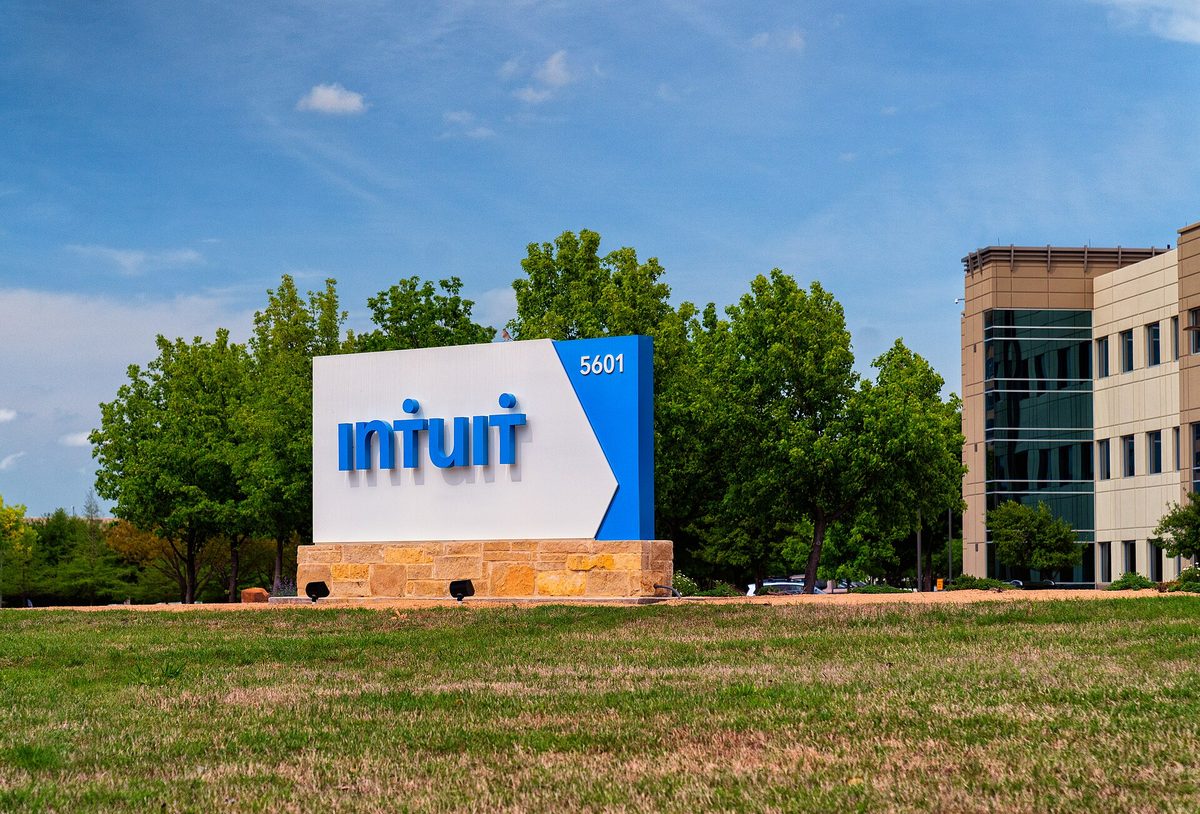
Intuit agreed to sell its email automation platform Mailchimp for $3.68 billion, the company announced on Thursday alongside first-quarter results that beat estimates but cut its full-year revenue outlook. The buyer is Bending Spoons, the holding company behind several internet brands, which will pay $3.31 billion in cash and $368 million of its own stock.
The deal is a striking retreat from one of Intuit's biggest bets. Intuit bought Mailchimp in 2021 for approximately $12 billion, its largest acquisition at the time, betting that email marketing would help the TurboTax and QuickBooks maker sell more to small businesses. Five years later, it is selling the business for less than a third of that price — and the business has been holding back Intuit's growth rather than driving it.
Mailchimp's revenue declined 1% to $313 million in the quarter ended October 31, while Intuit's total revenue grew 12%. Intuit said selling the business will allow the company to sharpen its focus on helping clients win new customers and manage their pipeline. "Selling Mailchimp sharpens our focus behind that strategy," Intuit said in its earnings release, describing its push to build AI-native experiences for small businesses.
The sale is expected to close early in calendar year 2027, subject to regulatory approvals and other customary closing conditions. Intuit plans to use the cash proceeds to buy back shares of its stock within fiscal 2027, and it will update its guidance at the time of the deal's close. All guidance for both the full fiscal year and next quarter does not include any impact from the pending sale.
Intuit's own results were better than expected. Profit rose to $695 million, or $2.59 a share, compared with $446 million, or $1.59 a share, a year earlier. Stripping out certain one-time items, adjusted per-share earnings were $2.91, ahead of the $2.46 anticipated by analysts, according to FactSet. Revenue rose 12% to $4.35 billion, above the $4.31 billion analysts surveyed by FactSet had forecast. Sales in Intuit's business-facing segment increased 15%, while consumer-facing sales rose 7%.
The problem was the outlook. Intuit now expects full-year revenue to be $23.08 billion to $23.37 billion, compared with its earlier range of $23.28 billion to $23.51 billion, with the whole cut coming from Credit Karma, its consumer credit-monitoring platform. The company dialed back expectations for Credit Karma's fiscal 2027 revenue to between $2.72 billion and $2.83 billion, from a previous expectation of $2.92 billion to $2.97 billion. It expects earnings per share of $20.12 to $20.36 on a GAAP basis, and adjusted earnings of $22.88 to $23.12 a share.
Investors are worried about the impact artificial intelligence can have on software companies like Intuit as AI models grow increasingly capable, and those worries have intensified in recent days following a string of software outages that hit government agencies like the Federal Aviation Administration and companies like Apple and Microsoft. Intuit's stock slid 10% to $279.11 in late trading on Thursday, and it was down 9% to $282.03 in premarket trading on Friday — adding to a 53% drop in the share price this year.
Bending Spoons, meanwhile, moved the other way. Its shares advanced 3.4% to $43.50 after it reported better-than-expected third-quarter earnings, raised its full-year outlook, and announced the Mailchimp agreement. The Italy-based company owns several internet platforms including AOL, Vimeo, and Evernote, and its revenue surged 125% from a year earlier to $780 million in the quarter.
The Mailchimp deal is part of a broader reshaping of the software industry, where companies are shedding non-core assets and repositioning around AI. Intuit's bet is that a smaller, more focused company — built around tax, accounting, and AI tools that help small businesses find customers and get paid — is worth more than a sprawling one that includes a stagnating email-marketing business.
The test of that bet will come in the next two quarters. Intuit must show that its AI tools can offset the revenue it is giving up with Mailchimp, that Credit Karma's weakness is contained, and that the software-sector selloff is about fear rather than fundamentals. Until then, the $8 billion-plus gap between what Intuit paid for Mailchimp and what it is selling it for stands as the most expensive lesson in the company's history.
Why it matters: The Mailchimp sale is two stories at once: an admission that Intuit's biggest acquisition failed, and a bet that focus beats scale in the AI era. The $12 billion purchase was supposed to make Intuit the operating system for small business; instead Mailchimp shrank while the rest of the company grew, and the $3.68 billion exit price is the market's verdict on that strategy. But the 53% collapse in Intuit's shares this year is about something bigger than one bad deal — investors are questioning whether AI will eat the software companies that used to sell the tools AI now does for free. Selling Mailchimp does not answer that question; it just gives Intuit a cleaner story while it tries.
Reporting: Morningstar · Barron's
Spot an error? Orbit News corrects articles promptly and notes the correction in the article. See our Editorial Policy, or flag an error by messaging us on Facebook, X, or Instagram.