Business
Gap Cuts Annual Forecasts as Holiday Demand Starts Slow
The apparel retailer lowered its full-year sales and profit outlook after a slow start to the holiday quarter, though third-quarter earnings still beat estimates.
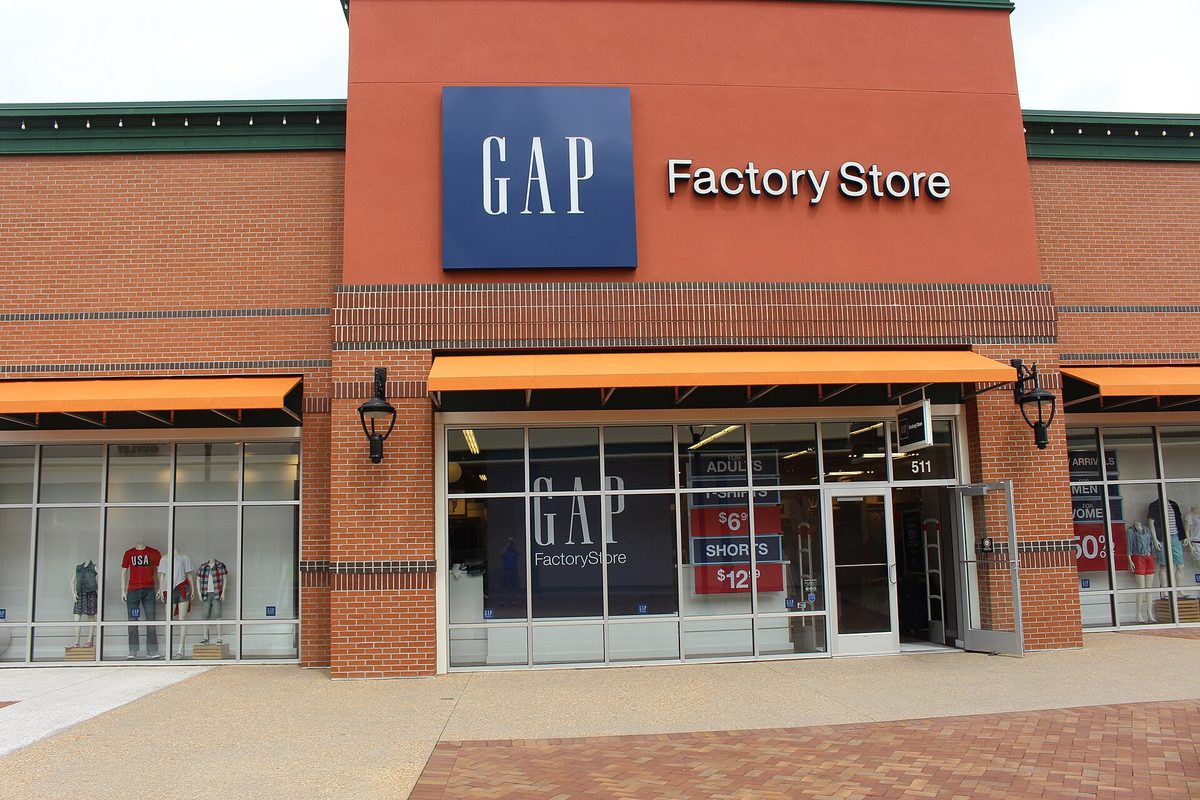
Gap on Thursday cut its annual sales and profit forecasts after weaker-than-expected demand heading into the holiday season, adding to a mixed picture for holiday apparel sales. The apparel retailer said the current quarter had got off to a slow start before improving in recent weeks.
Gap now expects fiscal 2026 sales to be roughly flat, compared with its previous forecast for growth of 1% to 1.5%. Analysts on average had expected growth of 1.4%, according to data compiled by LSEG. The company lowered its adjusted annual earnings forecast to between $2.29 and $2.34 per share, from its prior range of $2.35 to $2.45.
For the holiday quarter itself, the retailer expects sales to range from flat to down 1%, compared with analysts' expectations for a 2.6% increase. The guidance cut lands at the worst possible moment for an apparel chain: the holiday quarter is the period when retailers make a disproportionate share of their annual profit, and a flat forecast now signals that Gap does not expect the season to rescue a soft year.
The third-quarter results themselves were better than the outlook. Gap sales rose 2% to $4.01 billion, and adjusted earnings were $0.82 a share, above the $0.78 expected, while adjusted operating income rose 18% to $393 million. The contrast between a solid quarter and a gloomy forecast is what investors had to weigh: the business is performing adequately today, but management does not trust the holiday season to hold up.
Athleta, Gap's smallest banner by revenue, continues to face pressure as it works through excess inventory and seeks to boost brand desirability. It reported a 15% drop in comparable sales in the third quarter. Gap also appointed former executive Ashley Kechter to lead Athleta, its struggling activewear brand, in the latest attempt to turn the banner around.
The problems are not limited to Athleta. Gap earlier this year blamed weak sales in dresses and other seasonal categories on merchandising missteps at Old Navy, its largest brand, and appointed retail veteran Michael Francis as Old Navy chief executive in August. The missteps show how quickly a fashion miss can show up in results at a company whose brands live or die on getting the season's assortment right.
The company's results add to a mixed picture for apparel retailers heading into the holidays. TJX said this week that holiday demand for discounted merchandise remained strong, but Target reported continued weakness in apparel, particularly in women's fashion. The split suggests shoppers are still spending, but they are spending selectively — favoring discounters and value, and punishing full-price apparel chains that miss on product.
Investors reacted to the outlook rather than the quarter. Gap shares fell 5.3% to $18.79 in the regular session on Thursday before rising in after-hours trading once the results were out. The stock has now fallen sharply over the past year as the turnaround has stalled, and the lowered guidance gives shareholders little reason to expect a quick recovery.
Founded in San Francisco in 1969, Gap went public the following decade and grew into a behemoth in American fashion and apparel, developing its own brands and acquiring others. The company now runs four banners — Gap, Old Navy, Banana Republic, and Athleta — and its fortunes have long tracked the health of the American middle-class shopper.
What happens next depends on the final weeks of the holiday season. Gap said the current quarter had improved in recent weeks after its slow start, and a strong December could still narrow the gap between its forecast and reality. But with guidance now calling for flat sales at best, the company has set a low bar — and the risk is that even that bar proves optimistic if apparel demand stays as soft as the early holiday numbers suggest.
Why it matters: Gap's cut is the clearest warning yet that the holiday season will not bail out every retailer: a company can beat earnings and still cut guidance when it does not trust the consumer in front of it. The split with TJX, which is thriving on the same shopper, shows the divide is not about whether Americans are spending but about where — discounters are winning while full-price apparel chains that misjudge the season are not. For Gap, the deeper problem is that the fix keeps moving from banner to banner, from Old Navy's merchandising to Athleta's inventory, without yet adding up to a turnaround.
Reporting: Reuters · The Apex Wire
Spot an error? Orbit News corrects articles promptly and notes the correction in the article. See our Editorial Policy, or flag an error by messaging us on Facebook, X, or Instagram.