U.S. News
Supreme Court Sounds Ready to Further Limit Lawsuits Against Federal Officers
The justices heard arguments in a prison medical care case that could narrow, or even end, the right to sue federal agents for constitutional violations.
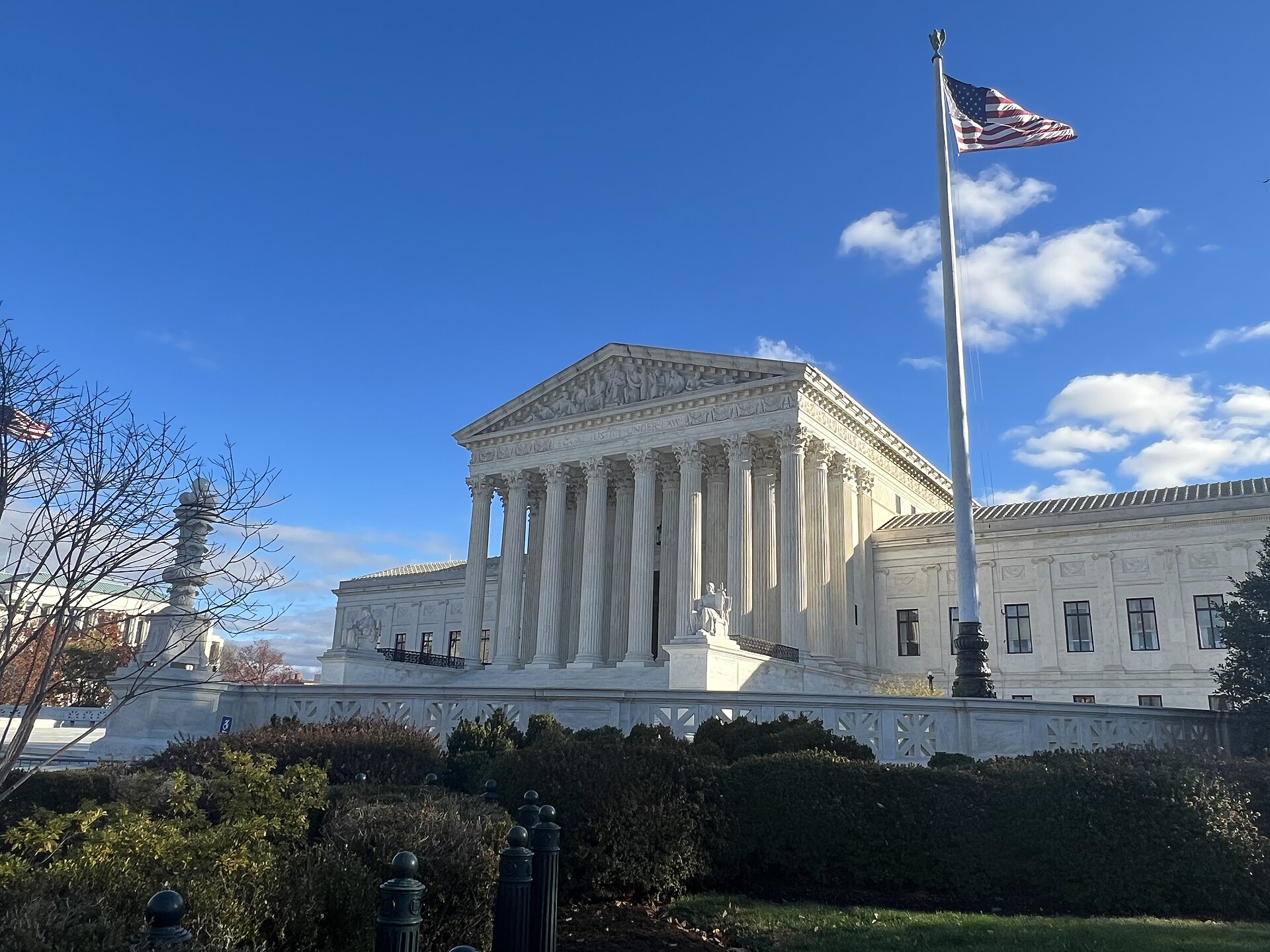
The Supreme Court on Monday heard arguments in a case that could further limit the ability of Americans to sue federal officers for violating their constitutional rights, and the justices sounded likely to rule against the prisoner at the center of it. The case, Nielsen v. Watanabe, turns on a 1971 precedent that has been narrowed for decades, but it has taken on new urgency amid calls to hold federal immigration agents accountable for their actions on the ground.
The dispute began in 2021, when Kekai Watanabe, then a federal prisoner in Honolulu, was attacked during a gang-related fight at a federal detention center. He says he suffered a broken tailbone and was in severe pain, rating it a 10 on a scale of 1 to 10. According to his lawsuit, a prison nurse, Francis Nielsen, refused to send him to a hospital or a specialist, gave him only over-the-counter pain medication and told him to stop being a cry baby. An X-ray taken seven months later showed that he had a fractured coccyx and that bone chips had migrated into the surrounding soft tissue.
Watanabe says he received no further treatment before his release in 2024 and remains in tremendous pain. He sued Nielsen for 3 million dollars, arguing that the failure to treat his injuries amounted to deliberate indifference to his serious medical needs, in violation of the Eighth Amendment's ban on cruel and unusual punishment. A federal trial court dismissed the case, but the Ninth Circuit Court of Appeals reversed, ruling that his claim was identical in all meaningful respects to a 1980 Supreme Court decision that allowed a prisoner's family to sue after staff failed to respond properly to a fatal asthma attack.
The legal question before the court is whether private citizens can still seek money damages from individual federal officers at all. No federal law creates that right. It comes from the Supreme Court's 1971 decision in Bivens v. Six Unknown Named Agents, which let people sue federal officers for constitutional violations even though Congress never passed a statute allowing it. The court has upheld such claims only three times since then, and in recent years it has repeatedly refused to extend them to new situations.
The Justice Department and Nielsen's lawyers are asking the justices to close that route, and Nielsen's brief goes further, explicitly asking the court to consider overruling the 1971 Bivens decision altogether. The government calls the 1980 prison medical care decision obsolete in light of more recent rulings that narrowed the doctrine. During Monday's argument, several justices appeared sympathetic to that view, pressing Watanabe's lawyers on why his claim should survive when the court has spent years pulling back from Bivens.
The case has drawn attention well beyond prison walls because of what it could mean for lawsuits against Immigration and Customs Enforcement agents and other federal officers. The argument comes as the fatal shootings of Renee Nicole Good and Alex Pretti in Minneapolis have fueled demands for accountability from federal agents operating in American cities. Critics of narrowing the doctrine say that without a damages remedy, there is no federal way to hold an officer personally responsible when constitutional rights are violated.
Supporters of the government's position argue that Congress, not the courts, should decide whether such lawsuits exist, and that allowing them creates burdens for officers doing difficult jobs. They also point to other remedies, including internal discipline, criminal prosecution and lawsuits against the government itself, though those paths do not provide the same kind of personal accountability that a damages suit against an individual officer does. Georgetown law professor Steve Vladeck, who filed a brief supporting Watanabe, said the dispute goes to the government's responsibility when federal officers violate established constitutional protections.
The justices are not expected to issue a decision until the end of the court's term, typically in late June or early July 2027. Whatever they decide, the ruling will shape the legal landscape for a generation of cases involving federal officers, from prison guards to immigration agents. For Watanabe, who says he still lives with the pain of an injury that went untreated for years, the case is personal. For the court, it is the latest chapter in a 55-year debate over who gets to decide when the government must pay for violating the Constitution.
The argument also highlighted how much the court has changed since Bivens was decided. The 1971 ruling came from a court that was willing to create new remedies on its own. Today's court, with its 6-3 conservative majority, has made clear that it views that kind of judicial lawmaking with deep suspicion. Justice Clarence Thomas has written that in all but the most unusual circumstances, new Bivens claims should not be allowed. Monday's argument suggested that a majority of the court may be ready to say the same about the few claims that remain.
Reporting: USA Today
Spot an error? Orbit News corrects articles promptly and notes the correction in the article. See our Editorial Policy, or flag an error by messaging us on Facebook, X, or Instagram.
Related from Orbit News

California Voters Reject Proposition 40, the One-Time Billionaire Tax
U.S. News · Nov 10, 2026
Supreme Court Lets Trump Administration Resume Border Wall Construction in Big Bend
U.S. News · Nov 10, 2026