U.S. News
As Measles Review Opens, Ex-FDA Chief Warns the U.S. Outbreak Is Bigger Than the Official Count
A Pan American Health Organization commission meets in Washington this week to decide whether the United States keeps the measles elimination status it has held since 2000.
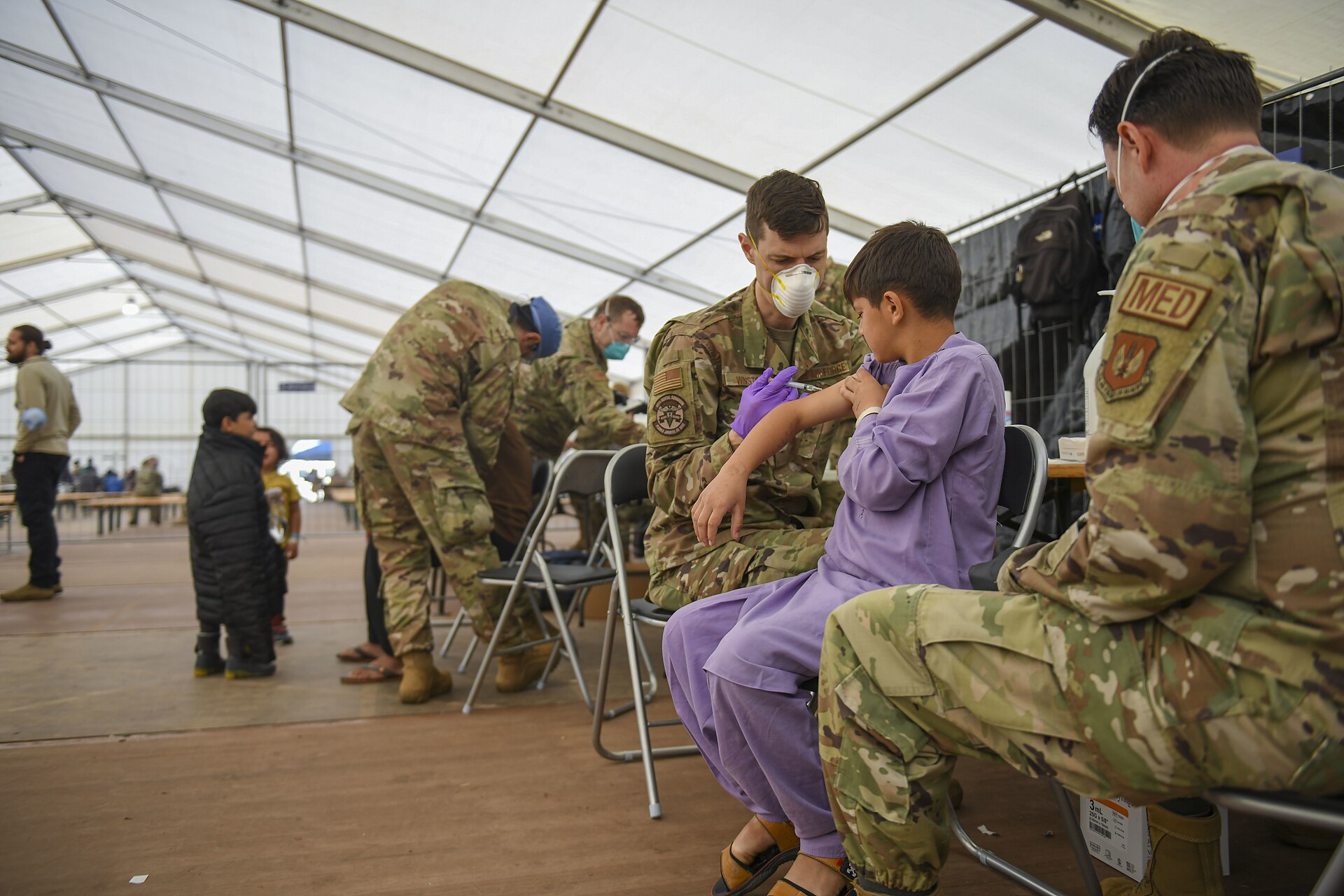
The United States is facing the possible loss of a public health milestone it has held for a quarter of a century, as an international commission opens a four-day meeting in Washington on Tuesday to decide whether the country still qualifies as having eliminated measles. The review comes as the Centers for Disease Control and Prevention has confirmed 5,182 measles cases in 2026, the highest annual total since 1991, and as a former head of the Food and Drug Administration warns that the true size of the outbreak is far larger than the official numbers show.
The CDC published its latest weekly update on Friday, putting the national case count at 5,182 confirmed cases as of November 5. The total rose by 330 cases in a single week, the 13th consecutive week in which the weekly increase topped 100 cases. The figure is already more than double the 2,289 cases recorded in all of 2025. The last time the annual count crossed 5,000 was 1991, when 9,643 cases were reported, according to CDC historical data.
The outbreak is now almost nationwide. Cases have been reported by 47 public health jurisdictions, covering 45 states, Washington, D.C., and New York City. Only five states, Arkansas, Hawaii, Mississippi, Nevada and New Hampshire, have reported no cases in 2026. Pennsylvania remains the epicenter, with 1,487 cases for the year, including 61 new infections in the latest week. Wisconsin has reported 477 cases, a 35-year high for the state, and New York has confirmed 431 cases, including more than 400 since August.
The human cost has grown alongside the case count. The CDC's national tally lists four measles-associated deaths in 2026, but state health departments have reported at least eight deaths linked to the disease: six in Pennsylvania, one child in New York and one infant in Wisconsin. Three people died of measles in a single week, a child in New York, an unvaccinated person in Pennsylvania and an infant in Wisconsin, making it the deadliest week of the outbreak so far this year.
Former FDA Commissioner Scott Gottlieb, who led the agency from 2017 to 2019, said on Tuesday that the announced case count does not reflect the true extent of the epidemic. Many cases are never counted, he argued, and the number announced understates how far the virus has spread. The Johns Hopkins measles tracker recorded 667 new cases in just the last two weeks, a figure that runs well ahead of the CDC's weekly updates and suggests the outbreak is moving faster than the official count captures.
At the heart of the resurgence is a steady decline in childhood vaccination. The national kindergarten rate for the measles, mumps and rubella vaccine, known as MMR, has fallen to 92.4 percent, below the 95 percent threshold needed for herd immunity. Two doses of the MMR vaccine are 97 percent effective at preventing measles, and 96 percent of confirmed cases this year have been among people who were unvaccinated or whose vaccination status was unknown. Most infections, about 59 percent, have been among children and teenagers, and 562 people, about 11 percent of all confirmed cases, have been hospitalized.
The review opening this week is being conducted by a commission of the Pan American Health Organization, which will meet in Washington from November 10 to 13 for its sixth annual meeting on regional monitoring of measles and rubella elimination. The commission will decide whether the United States, and Mexico, still meet the definition of elimination, a status the United States has held since 2000. Losing the status would be a formal recognition that measles is once again spreading within the country, rather than arriving only in isolated cases from abroad.
The CDC has said it is deploying experts to states and investing about 100 million dollars in outbreak prevention and response. The agency and Health Secretary Robert F. Kennedy Jr. continue to recommend the MMR vaccine as the most effective way to prevent measles. But the agency has also changed how it counts deaths, switching from state health department figures to mortality data from the National Center for Health Statistics, a move that epidemiologists say deviates from standard tracking practices and has left the national death toll lower than the sum of state reports.
The CDC will publish its next weekly measles update on Friday, November 13, and health officials will be watching whether the weekly increase stays above 300 cases. With cases still rising in November, the question is no longer whether the outbreak will worsen, but how much worse the true count already is. For the families in Pennsylvania, Wisconsin and New York who have lost children to a disease that a vaccine can prevent, the numbers are not abstract. They are a measure of how far the country's defenses against one of the most contagious viruses known to medicine have fallen.
Reporting: NBC Palm Springs
Spot an error? Orbit News corrects articles promptly and notes the correction in the article. See our Editorial Policy, or flag an error by messaging us on Facebook, X, or Instagram.
Related from Orbit News

California Voters Reject Proposition 40, the One-Time Billionaire Tax
U.S. News · Nov 10, 2026
Supreme Court Lets Trump Administration Resume Border Wall Construction in Big Bend
U.S. News · Nov 10, 2026