U.S. News
Supreme Court Lets Trump Administration Resume Border Wall Construction in Big Bend
In an unsigned emergency order, the justices lifted a judge's injunction blocking barrier work across a remote stretch of West Texas that includes Big Bend National Park.
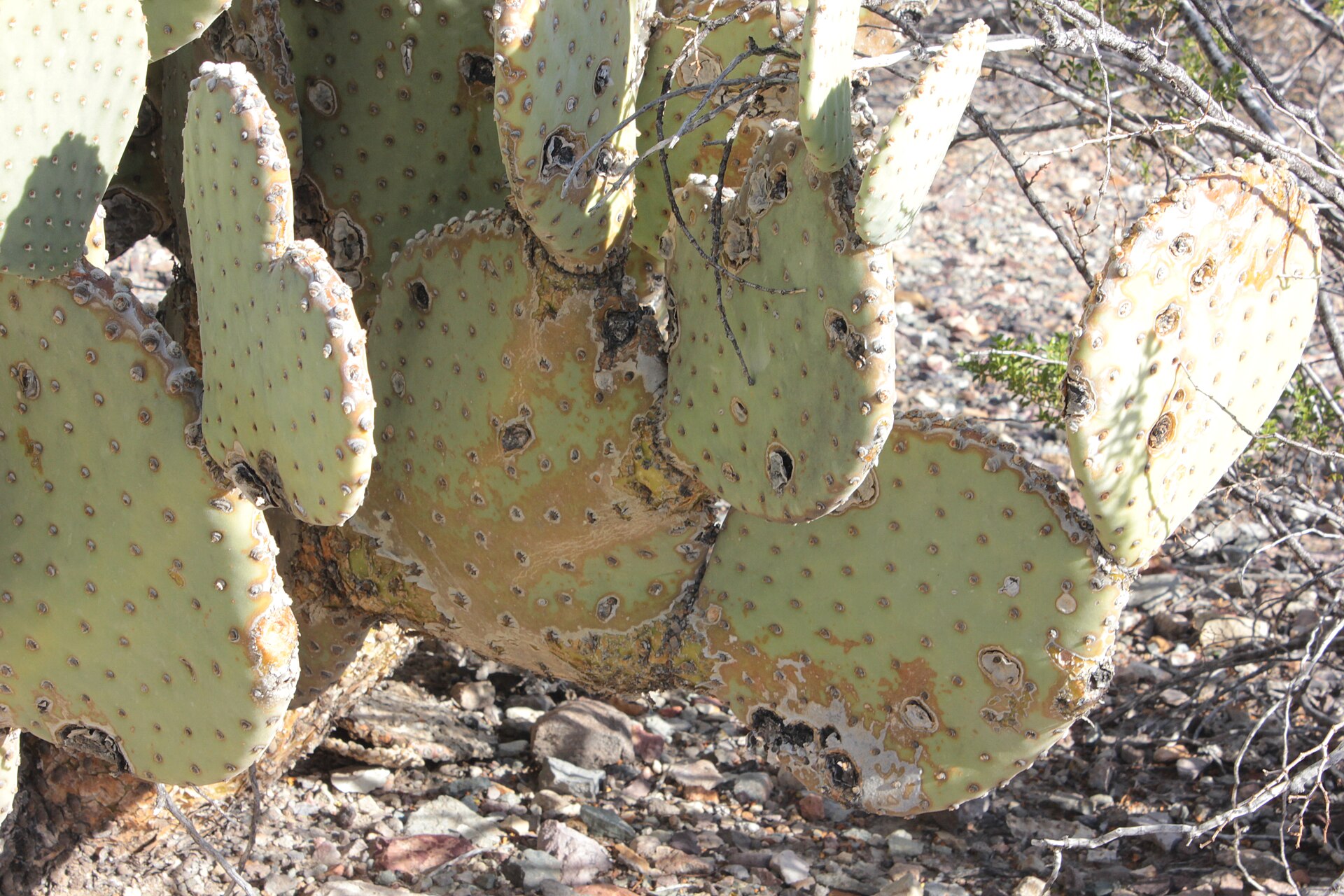
The Supreme Court on Monday gave President Donald Trump's administration the green light to resume construction of border barriers in the Big Bend region of West Texas, a remote stretch of the United States-Mexico border that includes Big Bend National Park. In an unsigned emergency order, the justices granted the administration's request to lift a federal judge's order that had halted the work while a lawsuit against the project plays out. Justice Ketanji Brown Jackson was the only member of the court to publicly dissent.
The case, Friends of the Ruidosa Church v. Mullin, was brought by the Center for Biological Diversity, a Big Bend-area river guide and a group working to preserve a historic adobe church in Ruidosa, Texas, that says its fragile structure is threatened by the construction. The plaintiffs challenged a series of waivers issued by the Department of Homeland Security to speed up the building of roads and barriers in the region, bypassing a range of environmental and historic-preservation laws.
The waivers were issued under a 1996 federal law aimed at facilitating the construction of barriers in areas of high illegal crossings at the southern border. Homeland Security Secretary Markwayne Mullin and his predecessor Kristi Noem, both Trump appointees, issued the waivers between February and July after finding the region to be an area of high illegal entry that required additional barriers. The administration has argued that Congress gave the secretary sweeping power to waive legal requirements that slow down border construction.
In October, United States District Judge Kathleen Cardone in El Paso blocked the project, ruling that the law limits waivers to areas of high illegal entry and that the Big Bend sector did not qualify. The Big Bend region spans 517 miles, more than a quarter of the entire United States-Mexico border, but the rugged area has the lowest number of apprehensions of any Southwest border sector, according to the judge. She also said a temporary halt was needed because construction could permanently destroy protected wilderness that benefits tourism, recreation, farming, ranching and education.
The Supreme Court disagreed, at least for now. In an unsigned five-page opinion, the court said the law at issue likely precludes judicial review of the claims in the lawsuit, and that Congress has expressed a clear preference for expeditious border construction that outweighs any aesthetic, recreational and environmental harm. The order does not settle the underlying question of whether the waivers are lawful. It simply allows work to proceed while the case continues in the lower courts.
The administration's plans for the region are extensive. Most of the construction in the Big Bend sector, spanning more than 300 miles, will take place on privately owned land and will consist of vehicle barriers and supporting roads. Big Bend National Park itself would get a 17-mile noncontiguous vehicle barrier system, but not the kind of 30-foot pedestrian barrier planned for other areas, according to the administration. Customs and Border Protection Commissioner Rodney Scott has said the wall is being built at a pace of about 12 miles a week and is expected to be completed by the end of Trump's second term.
The project has drawn criticism from both sides of the political aisle. In August, the administration paused construction in Big Bend after the work drew bipartisan criticism over its potential impact on the park's landscape and wildlife. Conservationists warn that barriers would cut off migration routes for animals in one of the most ecologically diverse regions in North America, while supporters of the project say the remote terrain is exactly why physical barriers are needed to secure the border.
The legal fight is far from finished. The case now returns to Judge Cardone's court, and it could eventually reach the Fifth Circuit Court of Appeals. The challengers can still press their claims on a full record, and the Supreme Court's emergency order says nothing about how the merits will ultimately be decided. But for the administration, the ruling is a practical victory: crews can return to work in one of the most sensitive stretches of the border while the courts take their time.
The decision is the latest in a series of emergency-docket wins for the Trump administration at a court with a 6-3 conservative majority. It also underscores how much of the administration's border agenda is being built through executive waivers and emergency appeals rather than through new legislation. For the residents, ranchers and conservationists of the Big Bend region, the coming months will show whether the barriers change the landscape they have fought to protect.
Reporting: Reuters
Spot an error? Orbit News corrects articles promptly and notes the correction in the article. See our Editorial Policy, or flag an error by messaging us on Facebook, X, or Instagram.
Related from Orbit News
California Voters Reject Proposition 40, the One-Time Billionaire Tax
U.S. News · Nov 10, 2026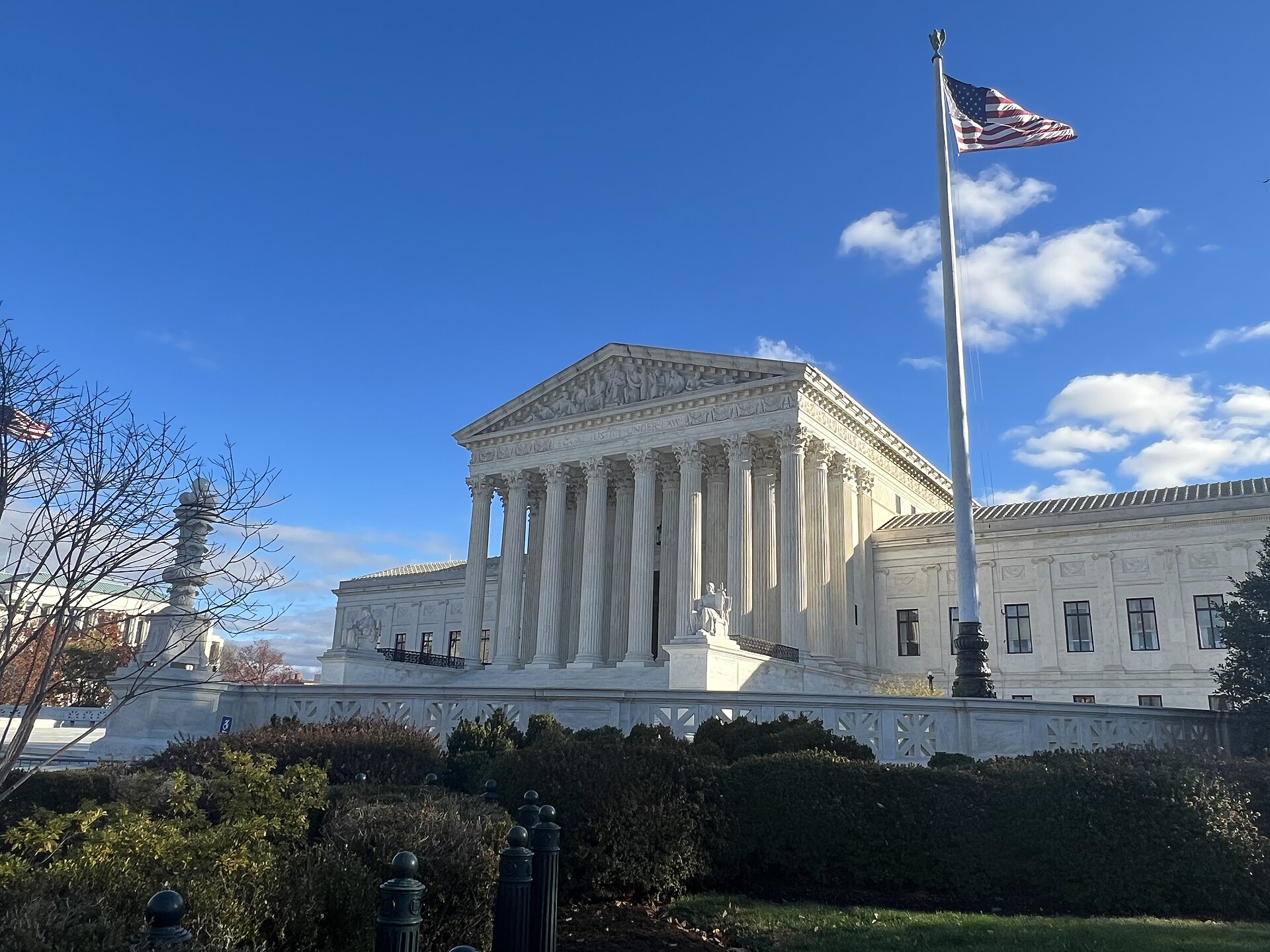
Supreme Court Sounds Ready to Further Limit Lawsuits Against Federal Officers
U.S. News · Nov 10, 2026