World
Seventeen Killed in Two Separate Mass Shootings in South Africa
Seventeen people were killed in two separate mass shootings in South Africa on Sunday night — nine in a shack outside Pretoria and eight in a minibus outside Pietermaritzburg. Police say the attacks were unrelated, no arrests have been made, and no motive has been established in either case.
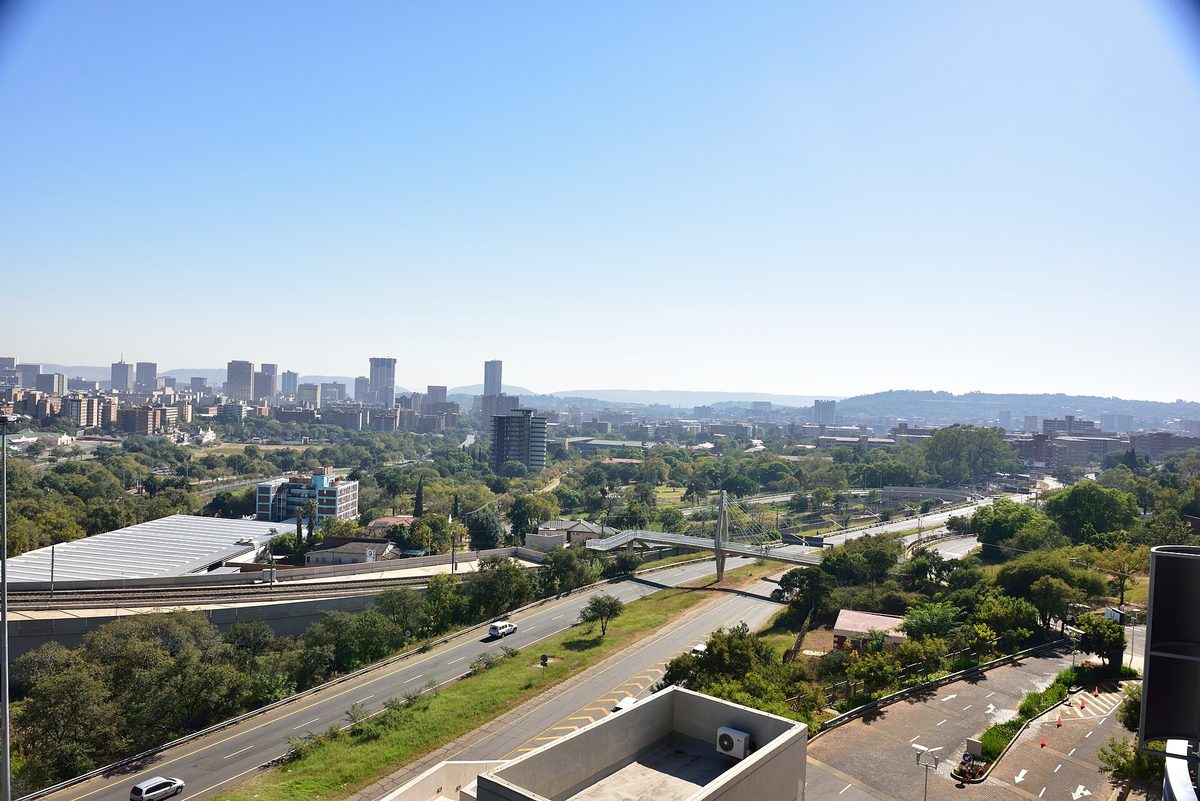
Seventeen people were shot dead in two separate attacks in South Africa on Sunday night, police said on Monday, in the latest burst of gun violence in a country averaging about 60 murders a day. The two attacks happened more than 500 kilometers apart, and police said they were not connected. No one has been arrested in either case, and officers have not named a motive for either shooting.
The first discovery was made on Monday morning in Jeffsville, an informal settlement in Atteridgeville, west of Pretoria. Police found six men and three women dead inside a four-roomed shack, all with gunshot wounds. According to the South African Police Service, the attack is believed to have taken place between 10 p.m. and 11 p.m. on Sunday. Police were not alerted until about 7:30 a.m. the following morning. The case is being investigated by the Gauteng Serious and Violent Crimes, Murder and Robbery Unit.
Gauteng police commissioner Lieutenant General Tommy Mthombeni disclosed that one of those killed had previously been identified as a person of interest in another mass shooting. That attack, at a hostel in nearby Saulsville on December 6, 2025, left 12 people dead and 13 wounded. Mthombeni said police were investigating whether the latest killings could have been an act of retaliation, although no connection between the two attacks has been established. Police have deployed crime intelligence officers and specialist tracking teams to find the attackers, and Gauteng Premier Panyaza Lesufi visited the scene on Monday and urged residents with information to assist investigators.
In KwaZulu-Natal, police were dealing with a second disturbing discovery in Sweetwaters, a semi-rural community outside Pietermaritzburg. Officers responding to reports of gunfire found a white seven-seater vehicle parked along a road in the Mabane area, riddled with bullet holes. Eight men were inside, all with multiple gunshot wounds. They were pronounced dead at the scene.
By Monday afternoon, police had identified six of the victims, believed to be aged between 20 and 23 and from communities around Mariannhill, west of Durban. Investigators also recovered two firearms, 14 rounds of ammunition and a blank gun from the vehicle. One firearm had been reported stolen in Highflats in October, while another belonged to a private security company based in Gauteng. KwaZulu-Natal police spokesperson Colonel Robert Netshiunda said the vehicle was used for e-hailing services and belonged to someone living in Verulam, near Durban. It remains unclear why the men were together in the vehicle or what led to the shooting, and police have not established whether either of the recovered firearms was used in the attack.
KwaZulu-Natal Premier Thamsanqa Ntuli condemned the killings and warned that the availability of illegal firearms remained a serious threat to public safety. "This level of gun violence is completely unacceptable. We cannot continue to bury our people while illegal firearms remain readily available to criminals," he said in a statement. Gauteng Premier Lesufi added: "No one should have to endure such a loss, and our thoughts are with the families who are grappling with this tragedy." National Police Commissioner Fannie Masemola said investigators had not yet determined the motives behind the two crimes.
The killings come against a backdrop of persistently high violent crime. According to official crime statistics released in August, 5,427 murders were recorded between April and June 2026, down from 5,770 during the corresponding period a year earlier — a decline of about 5.9 percent. The figures still amounted to roughly 60 murders every day, and firearms were used in more than 2,500 of those killings, according to figures reported by the Associated Press. The government has deployed soldiers to support police operations against organized criminal groups in some of the worst-affected communities.
South Africa has experienced repeated mass shootings, some linked by police to organized criminal groups, drug trafficking, illegal mining and disputes over lucrative minibus taxi routes. In September, gunmen opened fire on people attending a party near Durban, killing at least 11, including a pregnant woman. Three months earlier, 12 people were killed in a Johannesburg shooting that police linked to criminal gangs. Two mass shootings within weeks of each other in December 2025 claimed 21 lives. Investigators have not established whether any of those activities played a part in Sunday's attacks.
Police have found no evidence that the two attacks were connected, and no arrests had been announced in either investigation by Monday afternoon. In Jeffsville, investigators are now trying to determine whether Sunday's killings were connected to the Saulsville massacre or to other criminal disputes in the area. In Sweetwaters, the recovered weapons and the identification of six victims could help police establish what happened and who was responsible. For the families of the 17 victims, and for the communities of Jeffsville and Sweetwaters, the investigations are only beginning — and the questions about motive, and about the illegal firearms that keep turning up at South African crime scenes, remain unanswered as of Tuesday, November 17.
Why it matters: Seventeen people in one night, in two places more than 500 kilometers apart, with no arrests and no motives — that is the arithmetic of South Africa's gun violence problem. The national murder total actually fell in the April-to-June quarter, and the 5.9 percent decline is real, but it still means about 60 people murdered every day, and the mass shootings keep coming: Durban in September, Johannesburg in June, two in December, and now two more on a single Sunday night. The Jeffsville case may turn out to be retaliation for the Saulsville massacre a year ago, and the Sweetwaters case may turn on the two guns recovered from the minibus. But the pattern that matters most is the one the KwaZulu-Natal premier named: illegal firearms, readily available, in the hands of people willing to use them on a minibus full of young men.
Reporting: Africa Briefing · World Right Now
Spot an error? Orbit News corrects articles promptly and notes the correction in the article. See our Editorial Policy, or flag an error by messaging us on Facebook, X, or Instagram.