World
Iran Fires Drones at U.S. Radar in Bahrain; Bahrain Says the Attack Was Intercepted
Iran's Revolutionary Guard said its drones hit a U.S. radar system at the Sheikh Isa base in Bahrain on Tuesday. Bahrain said it intercepted the attack, and U.S. Central Command said no American equipment was damaged and no personnel were hurt.
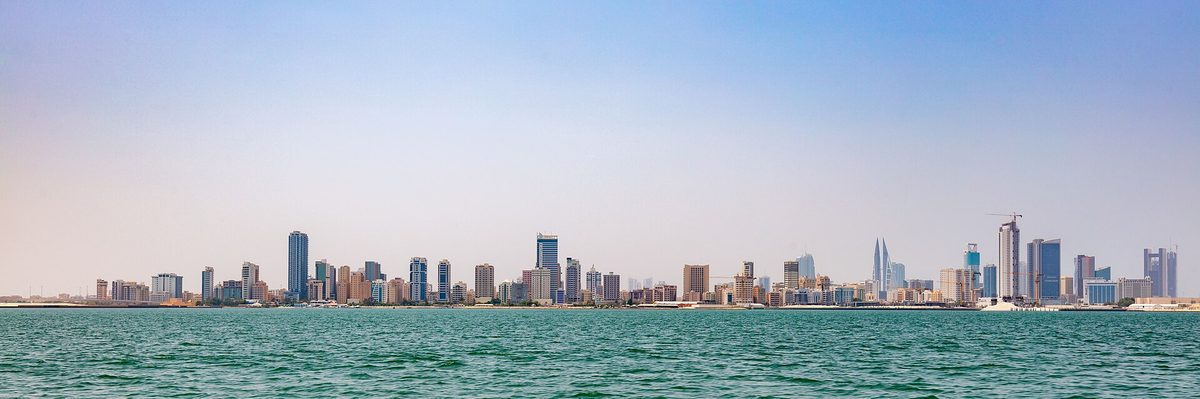
Iran fired drones at a U.S. military radar system in Bahrain on Tuesday, as tensions in the Gulf remained high despite talks between Tehran and Oman on safeguarding maritime corridors in the Strait of Hormuz after nearly nine months of war. Bahrain said it intercepted the attack, and there were no reports of casualties or damage.
Iran's Islamic Revolutionary Guard Corps said the radar system it attacked was at the Sheikh Isa base in Bahrain, the Gulf kingdom that is home to the U.S. Navy's Fifth Fleet. The Guards said the attack was in response to what they described as continued violations of Iranian airspace by U.S. military drones, and said it was "part of efforts to counter the hostile activities of US forces in the region," according to a statement carried by Iran's state broadcaster IRIB.
Bahrain said it had intercepted the attack after sending an air raid alert and telling citizens to take shelter. Earlier on Tuesday, Bahrain warned of an unspecified threat and urged citizens and residents to head to the nearest safe location. U.S. Central Command pushed back on the Iranian claim, saying: "CLAIM: Iran's Islamic Revolutionary Guard Corps (IRGC) claimed its drones hit a U.S. military radar system at a base in Bahrain early this morning. This is FALSE. FACT: Multiple Iranian one-way attack drones launched by the IRGC today towards Bahrain were intercepted without any damage to U.S. equipment or injury to American personnel."
Tuesday's attack was the latest in a pattern of Iranian claims against U.S. radar sites in Bahrain. On Sunday, Bahrain said its air defenses had intercepted several Iranian aerial attacks, and Tehran said it had launched six drones targeting a U.S. air-defense radar system at the Al-Rifaa helicopter base in retaliation for what it described as hostile U.S. actions. Two days earlier, the Revolutionary Guards said they had attacked a U.S. early-warning radar facility in Bahrain, but the U.S. military denied that the facility had been hit, saying it intercepted two Iranian drones without damage or casualties.
The repeated attacks drew a direct U.S. response on Monday, when Secretary of State Marco Rubio condemned the Iranian strikes in Bahrain during a call with Bahraini Foreign Minister Abdullatif bin Rashid Al Zayani, the State Department said. The U.S. Embassy in Bahrain had already urged American citizens on Sunday to exercise "heightened vigilance" amid escalating regional security threats, following the Iranian aerial attacks on the kingdom.
Bahrain's importance in the standoff is geographic. The small Gulf kingdom hosts the U.S. Navy's Fifth Fleet, the command responsible for American naval operations across the Middle East, and its bases have become a recurring target as the war between the United States, Israel and Iran has spread across the region. The reported attacks in Bahrain come amid stalled diplomatic efforts to end that war, which began on February 28 when the United States and Israel attacked Iran and Tehran responded with strikes on Israel and Gulf states hosting U.S. bases.
At the same time, there are signs that at least one channel of diplomacy is still open. Talks between Tehran and Oman on safeguarding maritime corridors in the Strait of Hormuz have continued even as the exchanges of fire have intensified, with the waterway's shipping lanes at the center of the conflict. Tankers have been struck by mines in the strait in recent days, and a third U.S. aircraft carrier, the USS Theodore Roosevelt, arrived in the region on Sunday, joining two others in the first three-carrier concentration in the Middle East since April.
For now, the pattern is one of escalation without a decisive break. Iran keeps claiming attacks on U.S. radar systems in Bahrain, Bahrain and the U.S. military keep saying the drones were intercepted, and no confirmed damage or casualties have been reported from any of the November attacks. The danger is that the pattern does not hold: with U.S. forces, Iranian drones and Gulf air defenses all operating in the same crowded airspace, a single interception failure or a misread signal could turn a claim into a casualty.
What happens next will depend on whether the diplomacy around the Strait of Hormuz can produce anything, and on whether the planned trilateral meeting between Trump, Xi and Putin in Shenzhen on Thursday touches the Gulf at all. Until then, Bahrain's air defenses, and the Fifth Fleet's radar operators, remain on the front line of a war that neither side has been able to end.
Why it matters: This is the third time in five days Iran has claimed to hit a U.S. radar site in Bahrain, and the third time Bahrain and the U.S. military have said the drones were intercepted. The repetition is the story: both sides are using the same crowded airspace to send messages — Tehran demonstrating it can reach American bases, Washington demonstrating it can stop the drones — without either side yet paying a price in blood. That is a fragile equilibrium, and it is being tested daily while the diplomacy meant to end the war stays stalled. The arrival of a third U.S. carrier in the region only raises the stakes of the next claim.
Reporting: Reuters · Trinidad Tribune
Spot an error? Orbit News corrects articles promptly and notes the correction in the article. See our Editorial Policy, or flag an error by messaging us on Facebook, X, or Instagram.