Politics
Senate Rejects Iran War Powers Resolution in 51-48 Vote, Backing Trump Weeks After Midterm Losses
Senate Republicans defeated a measure directing President Donald Trump to end the war in Iran or seek Congress's approval, with three Republicans breaking ranks and one Democrat voting against it.
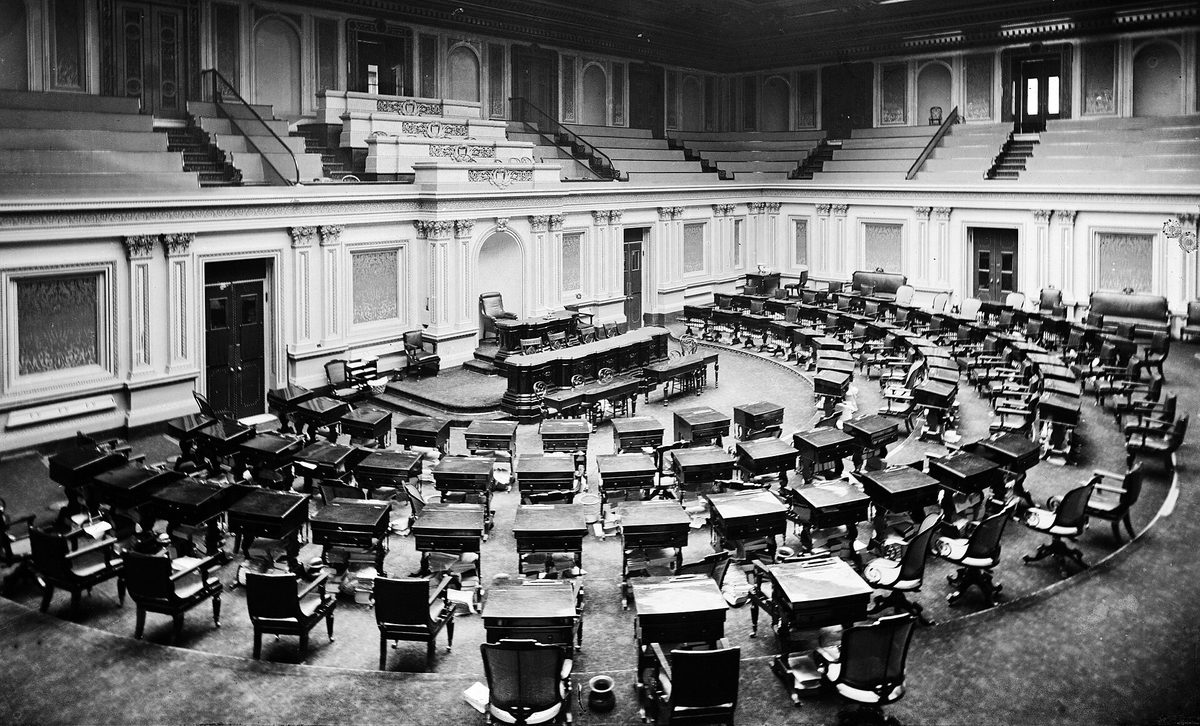
The Senate on Thursday rejected a war powers resolution directing President Donald Trump to end the war in Iran or obtain Congress's approval to continue it, voting 51 to 48 to defeat the measure largely along party lines. The vote was a symbolic victory for the president and the first time the Senate had considered a major Iran war measure since Democrats' sweeping victories in the midterm elections on November 3.
Only three Republicans voted with Democrats in favor of the resolution: Susan Collins of Maine, Lisa Murkowski of Alaska, and Rand Paul of Kentucky. Senator John Fetterman of Pennsylvania was the only Democrat to oppose it, as he had on each previous Iran war powers resolution. The resolution demanded that Trump and Defense Secretary Pete Hegseth bring the conflict to a swift end unless Congress approved continuing the fighting.
The measure would not have compelled Trump to end the war even if it had passed, since it would not have been legally enforceable. But the vote still served as a test of how much appetite Senate Republicans have for constraining the president during the final two years of his presidency, and how little willingness they showed to hand Democrats a political victory weeks after the midterm elections.
Senator Tim Kaine of Virginia, the architect of the Senate Democrats' war powers strategy, argued before the vote that the midterm results reflected Americans' unhappiness about the war and about the higher prices for food, fuel, and other goods linked to the conflict. "Its unpopularity was made absolutely, manifestly clear in the election results of November 3," Kaine said in a speech appealing for yes votes.
Kaine acknowledged before the vote that Congress cannot force a president to follow the law on its own, but he vowed that Democrats would keep trying different pressure campaigns when they take the majority in January. He said those efforts are already part of the ongoing negotiations over government funding to avoid a shutdown in December.
Not every war critic backed the resolution. Retiring Senator Thom Tillis of North Carolina, a vocal critic of the Iran war who had supported past war powers resolutions, said he did not want to back what he saw as a politically motivated effort by Democrats that would not meaningfully change the administration's actions. "We've got to figure out other mechanisms," he told reporters, saying the White House has not paid attention to Congress's wishes.
Senator Josh Hawley of Missouri, another war critic, also opposed the process rather than the substance of the measure. He said Congress should lean more heavily on its power to defund the war to draw down the conflict. "It's time to bring the war to a close," he said. "Speaking just for Missouri voters, I think that's their message as well."
The vote came as the conflict grinds on in a phase of reduced but continuing fighting. The United States has conducted several attacks against Iranian military targets in recent days, including a strike on November 17 against a missile launch site on Iran's Qeshm Island, even as the most intense fighting between the two countries has largely subsided. The current phase of the conflict involves a naval blockade of Iran that the United States has enforced to inflict pain on Tehran's economy.
The war has cost the United States military at least $47 billion as of October 16, according to the Pentagon, and the real figure is certainly higher because the military's estimate does not include billions of dollars in damage to American bases and facilities in the Middle East that Iran targeted at the start of the conflict. Trump pledged in the weeks before the election that the war would come to an end after the midterms, but he has since said he wants to maintain the "status quo" in the Middle East.
Democrats have said ending the war will be a top priority when they take control of Congress in January. Expected House Speaker Hakeem Jeffries has vowed at a summit hosted by The Atlantic to move a resolution that has the force of law and to "take the fight around ending the war to the Oval Office." "There's nothing more powerful than putting that bill on the president's desk. We have the ability to do it," Jeffries said.
Why it matters: The vote shows the limits of what election results alone can change while Republicans still hold the Senate: a war that voters just repudiated at the ballot box survived its first congressional test after the midterms because only three Republicans broke ranks. The real reckoning comes in January, when Democrats take control of both chambers and can put a binding measure on the president's desk, forcing Trump to veto it in public or negotiate an end. Until then, the resolution's defeat also signals that the war's costs — at least $47 billion and counting — will keep mounting without a congressional check.
Reporting: Reuters · USA Today
Spot an error? Orbit News corrects articles promptly and notes the correction in the article. See our Editorial Policy, or flag an error by messaging us on Facebook, X, or Instagram.
Related from Orbit News

Incoming Oversight Chair Garcia Orders Trump Family and Top Officials to Preserve Records Ahead of Probes
Politics · Nov 20, 2026
Trump Pressures Congress to Pass Farm Bill Before Democrats Take Control in January
Politics · Nov 20, 2026