Politics
Seven Senate Republicans Move to Delay Thune Leadership Vote After Midterm Losses
Ron Johnson leads seven Republicans demanding the Senate GOP slow down its leadership vote and reckon with the midterm losses first.
Seven Republican senators are pushing to delay their party's leadership elections, arguing that the Senate Republican Conference should confront the lessons of last week's midterm rout before choosing who will lead it into the minority.
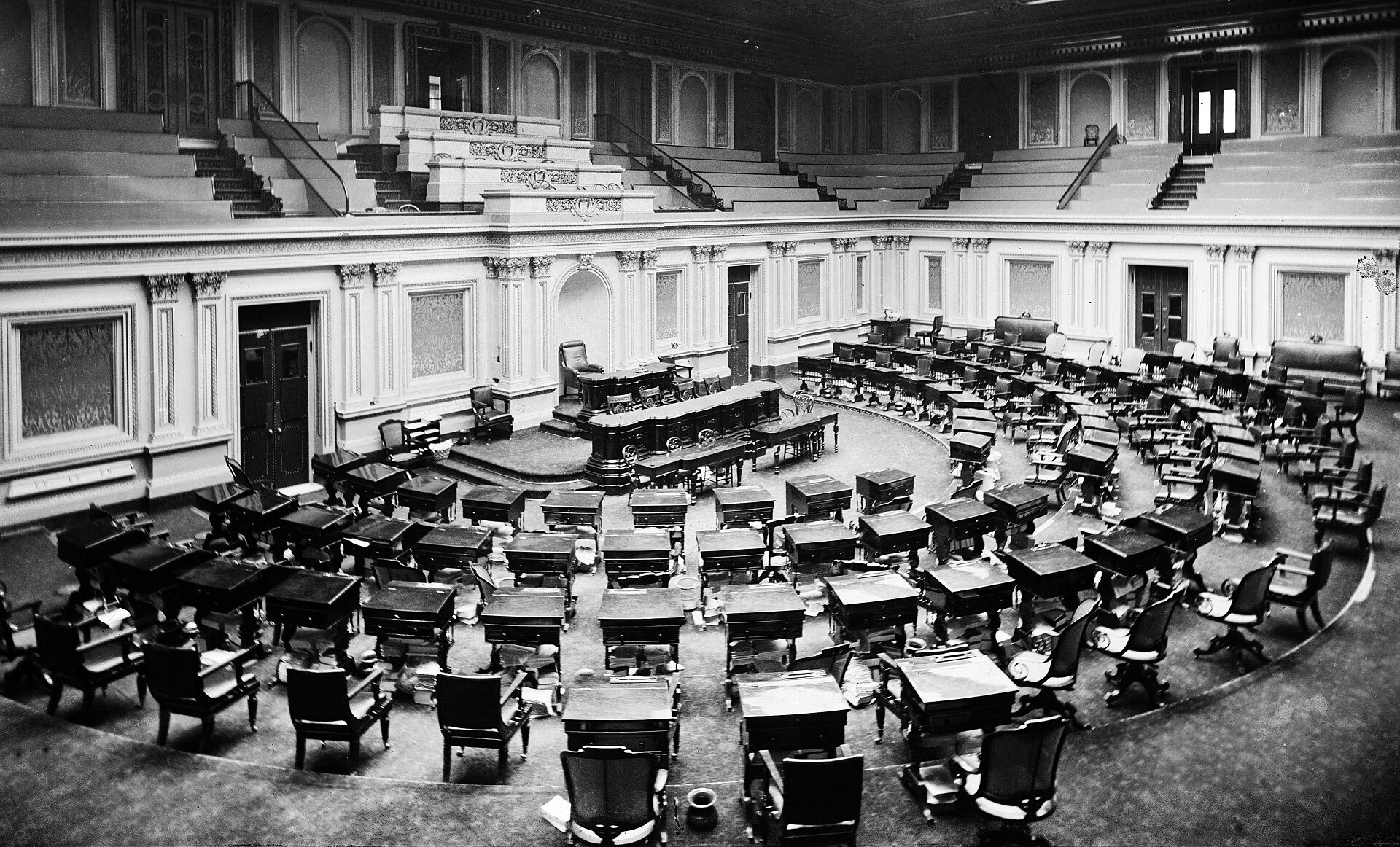
The elections are scheduled for 9 a.m. on Tuesday in the Old Senate Chamber, where the conference is expected to re-elect Majority Leader John Thune of South Dakota as its leader. Thune is running unopposed, and he remains popular with his colleagues, but the delay effort has turned what is usually a formality into a public argument about the party's direction.
Sen. Ron Johnson of Wisconsin is driving the push. He circulated a letter to Senate Republican Conference Chairman Tom Cotton of Arkansas asking for a conference meeting to discuss postponing the vote, and he collected the five signatures needed under conference rules to force such a meeting. Sens. Mike Lee of Utah, Ted Budd of North Carolina, Rick Scott of Florida and John Kennedy of Louisiana signed the letter.
Two more Republicans, Sen. Dave McCormick of Pennsylvania and Sen. Jim Banks of Indiana, backed the delay in their own statements without signing, bringing the public total to seven. 'We need to have some real soul-searching,' Johnson said, while McCormick wrote that he does not believe the conference should move to leadership elections 'until we have digested and debated the lessons of the midterms and how to move forward.'
The senators want Tuesday morning's scheduled election replaced by a serious discussion of the losses, the party's 2028 strategy and the governing model its leaders would follow, according to Roll Call. Lee argued that any leadership contest should come after the two outstanding Senate races in Alaska and Mississippi are decided, since it is still unclear whether Republican Sens. Dan Sullivan and Cindy Hyde-Smith will be returning to the Senate next year.
Thune has made clear that the elections are moving ahead. He said on Monday that senators will have a 'very fulsome, robust conversation about where we go from here and then we'll see what the consensus of the conference is,' adding that the decision ultimately rests with Republican senators. The decision on whether to postpone rests with Cotton as conference chairman.
None of the seven senators has announced a leadership challenge. Scott, who challenged Thune for the top job in both 2022 and 2024, says he has no plans to run again, and Johnson has conceded there is no one else on the ballot. The dispute is therefore not about who leads, but about when and how the choice is made.
The backdrop is a bruising defeat. Republicans lost at least seven Senate seats in the midterms, handing Democrats control of the chamber in the next Congress, and two races remain uncalled. Thune, who replaced Sen. Mitch McConnell as leader in early 2025, is set to become minority leader once Democrats take control in January.
Senate Republican rules contemplate leadership elections taking place between January 3 and January 10, and until 2006 the party typically waited about forty days after an election to pick its leaders. The seven senators are asking, in effect, for a return to that slower pace, arguing that a vote held one week after a historic defeat would amount to a coronation rather than a choice. Whether their colleagues agree will be decided in the room on Tuesday morning.
Reporting: Daily Caller
Spot an error? Orbit News corrects articles promptly and notes the correction in the article. See our Editorial Policy, or flag an error by messaging us on Facebook, X, or Instagram.