Politics
Second Epstein Files Petition Sits Two Signatures Short as Lame Duck Opens
Massie's second Epstein records petition has 216 of the 218 signatures needed to force a House vote, with the lame-duck calendar working against it.

A second push to force the release of the remaining Jeffrey Epstein files is two signatures short of forcing a House vote, as the lame-duck session opens with the clock running down on the outgoing Congress.
Discharge Petition No. 27, filed on August 31 by Rep. Thomas Massie, Republican of Kentucky, listed 216 signatures on the House clerk's website early on Tuesday: 212 Democrats and four Republicans, Massie and Reps. Nancy Mace of South Carolina, Ralph Norman of South Carolina and Brian Fitzpatrick of Pennsylvania. A petition needs 218, a majority of the House, to bring a measure to the floor without the leadership's consent. The most recent signatures are dated September 16.
Massie wrote on November 5 that 'when we return next week, we'll get 218 signatures,' and the return of Congress on Monday has put that prediction to the test. The measure at issue, H.R. 9694, the Epstein Files Transparency Act II, was introduced on July 15 by Massie, Rep. Ro Khanna of California and Rep. Teresa Leger Fernandez of New Mexico.
The bill would go further than the first Epstein files law. It would allow state attorneys general, victims and members of Congress to sue the attorney general over investigative records they contend were unlawfully withheld or redacted, giving outsiders a legal lever over a disclosure process the Justice Department has controlled from the start.
The first law, the Epstein Files Transparency Act, passed the House 427-1 in November 2025 after Massie and Khanna used a discharge petition to force a vote over the objections of Speaker Mike Johnson, and President Donald Trump signed it on November 19, 2025. The Justice Department said on January 30 that it had released nearly 3.5 million pages in compliance with the act, with more than 500 attorneys and reviewers working on the release, and that material not produced consisted of duplicates, privileged records, items covered by the law's exceptions or records unrelated to the Epstein and Maxwell cases.
Lawmakers and survivors say that was not enough. Critics contend millions of pages remain locked away, and Attorney General Todd Blanche acknowledged to the Senate Judiciary Committee on July 15 that the department had mistakenly released some victims' names while publishing the files, an error that has become a central grievance for survivors and their advocates.
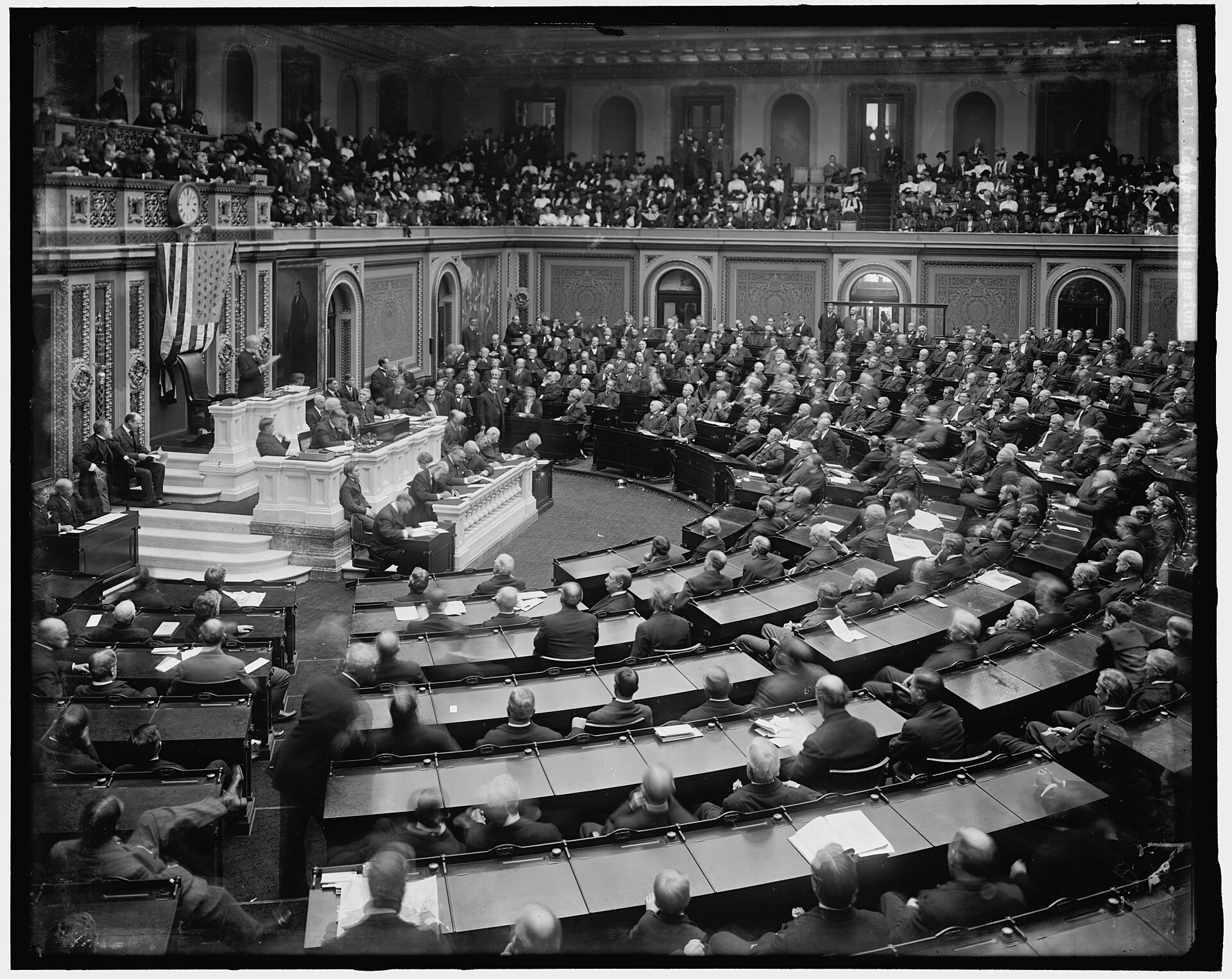
Reaching 218 signatures would not produce an immediate vote. Under House rules, a petition that gathers a majority is placed on a calendar, and after seven legislative days a signer may announce an intention to call it up, after which the leadership must schedule it. The House is scheduled to sit only 16 days before government funding expires on December 11, and all pending petitions expire when the 119th Congress ends on January 3.
That calendar is the real obstacle. Even if Massie gets his final two signatures this week, the seven-legislative-day wait means a vote could slip past the end of the session. Democrats will hold the House majority in the next Congress, which could bring the bill to the floor without a petition at all, but the lame-duck effort is the last chance for the current House to act on its own.
The fight has already outlasted many of the people who started it. Massie lost his Republican primary in May and leaves Congress in January, and the petition's fate now depends on whether two more members are willing to sign a document that their party's leaders and the White House once wanted dead. A year after the first petition forced the largest document release in the department's history, the second one is a test of whether Congress still has the appetite to keep pushing.
Reporting: SF Inquirer
Spot an error? Orbit News corrects articles promptly and notes the correction in the article. See our Editorial Policy, or flag an error by messaging us on Facebook, X, or Instagram.