Politics
Scalise vs. Jordan: House Republicans Pick a New Leader After Midterm Rout
Steve Scalise and Jim Jordan face off in a secret ballot to lead House Republicans into the minority, one week after Democrats flipped more than 40 seats.
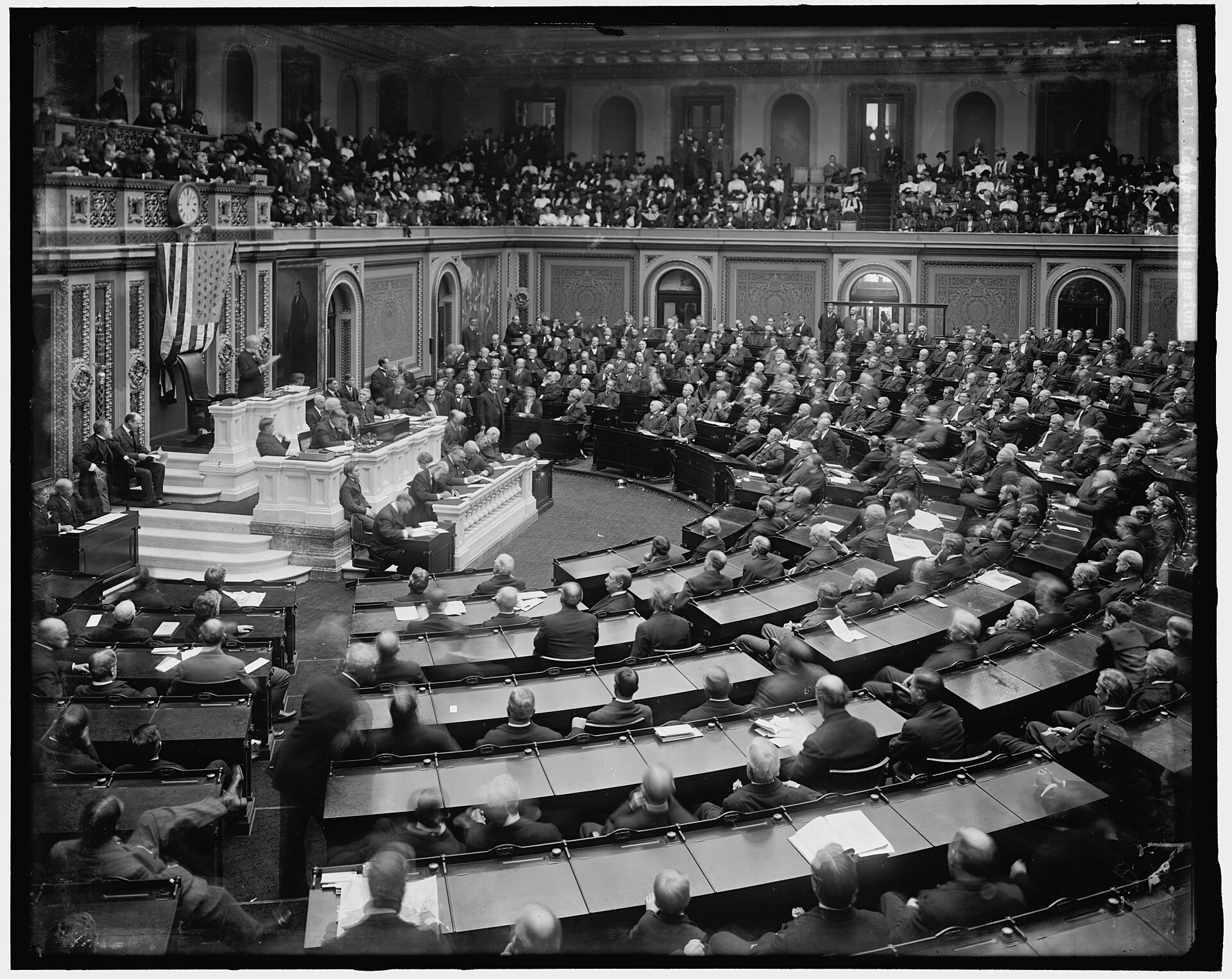
House Republicans will meet behind closed doors on Tuesday to pick a new leader, one week after losing their majority in the midterm elections, in a secret-ballot contest between Majority Leader Steve Scalise of Louisiana and Judiciary Committee Chairman Jim Jordan of Ohio.
The vote, set for Tuesday afternoon after both men make their pitches to the conference in the morning, will decide who leads the party into the minority when the new Congress convenes on January 3, 2027. The winner needs only a simple majority of House Republicans, a far lower bar than the 218 votes needed to win the speaker's gavel on the House floor.
The job is open because Speaker Mike Johnson announced on November 4 that he will not seek the minority leader post. Johnson, who won re-election to his Louisiana seat, is expected to remain in the House as a rank-and-file member after handing over the leadership.
Scalise, 61, is pitching continuity and experience. He has been the No. 2 House Republican since 2023 and has served in broader party leadership roles for more than a decade. In his letter to colleagues, he argued he can unify the party's factions against the Democrats now heading to Washington, and he has presented himself as the candidate who can lead the party from its first day in the minority.
Jordan, 62, is offering a sharper edge. A co-founder of the ultra-conservative House Freedom Caucus and chairman of the Judiciary Committee since 2023, he has told colleagues he is battle-tested on oversight and knows the Democrats' playbook. That matters because the Judiciary and Oversight committees are poised to play a central role in the new Congress, as Democrats plan a long list of investigations into President Donald Trump and his administration.
The two men have fought over the job before. Both ran unsuccessfully for speaker in 2023 after Kevin McCarthy was ousted, and the contest on Tuesday is in many ways a rematch, this time for a much smaller prize: leadership of a minority rather than the speaker's gavel.
The scale of the defeat they are inheriting is stark. Democrats flipped more than 40 Republican-held seats on November 3 on their way to winning back the majority, and Decision Desk HQ projects a House of 258 Democrats and 177 Republicans in the next Congress. Whoever wins on Tuesday will lead a conference nearly a third smaller than the one Republicans controlled a week ago.
President Donald Trump has not taken sides. He told reporters he will not get involved in picking the next House Republican leader, and neither candidate has a publicly confirmed endorsement from the president. That leaves the race to be decided by the members themselves, in a secret ballot where no one outside the room will know who voted for whom.
Other leadership posts are also on the ballot on Tuesday, including the whip's job, the party's top vote-counting post and the No. 2 position in the minority, which Majority Whip Tom Emmer is seeking. The result of the leadership vote is expected later on Tuesday, and the winner will immediately become the party's nominee for speaker, even though Democratic Leader Hakeem Jeffries is expected to take the gavel in January. The deeper question the vote answers is which direction a wounded party takes as it regroups: the steady hand of its long-serving leadership, or the confrontational style of its most prominent conservative fighter.
Reporting: KNKX (NPR)
Spot an error? Orbit News corrects articles promptly and notes the correction in the article. See our Editorial Policy, or flag an error by messaging us on Facebook, X, or Instagram.