Business
Rents Rise for the First Time Since June 2023
The median asking rent ticked up $1 in October as the apartment construction boom fades, but renters still have the upper hand in most big cities.
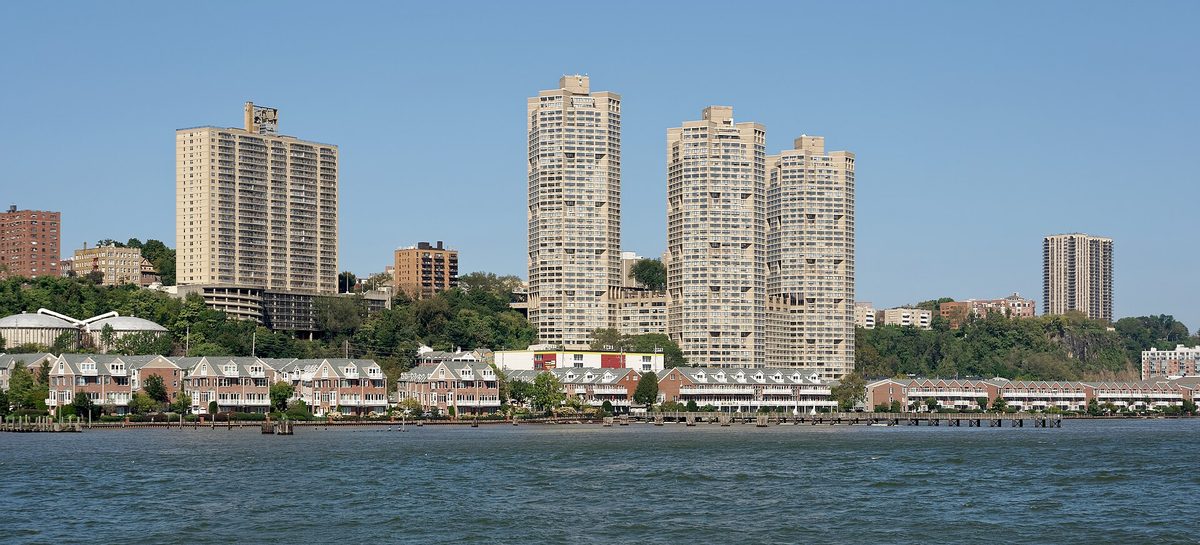
U.S. asking rents rose year over year for the first time since June 2023, according to Realtor.com's October 2026 Rent Report, published on Wednesday, November 18. The median asking rent for a zero-to-two-bedroom home in the 50 largest metropolitan areas was $1,692 in October, up $1, or 0.1%, from a year earlier. It is a tiny increase, but it ends more than three years of declines and marks a turning point for the rental market.
The median rent is still $82, or 4.6%, below its August 2022 peak, and it is $221, or 15%, above where it stood before the pandemic in October 2019. The turn is not evenly spread across unit sizes. The median one-bedroom rent was $1,566, up 0.1% from a year earlier for its first gain since June 2023, and it is 5.7% below its August 2022 peak and 13.9% above October 2019. The median two-bedroom rent was $1,889, up 0.3% for its first gain since May 2023, and it is 4.2% below its July 2022 peak and 18.8% above seven years ago. Studios are still falling: the median studio rent was $1,411, down 1.2% from a year earlier, its 39th consecutive month of annual declines, and it is 4.9% below its fall 2022 peak and 11.1% above seven years ago.
The reason rents are turning is that the apartment construction boom is fading. In the third quarter of 2026, multifamily completions were 330,000 units at a seasonally adjusted annual rate, down 26% from 446,000 a year earlier and far below the peak of 644,000 in the third quarter of 2024. Units under construction were 674,000, down 2.7% from a year earlier and well below the peak of 996,000 in the third quarter of 2023. Starts were 403,000 at a seasonally adjusted annual rate, down 9.2% from 444,000 a year earlier and below the peak of 537,000 in the third quarter of 2022.
The boom that is now fading was enormous. From 2023 through 2025, about 1,498,000 units in buildings with five or more units were completed, an average of 499,000 a year, up 37.7% from the 2020-2022 period and 46.1% from 2017-2019. That wave boosted the rental stock by 3.2% and pushed the rental vacancy rate to 7.6% in the third quarter of 2026, according to the Housing Vacancy Survey, the highest since early 2014. Landlords have been competing for tenants with concessions ever since.
The regional picture is uneven. In the Northeast, completions fell 49.3% to about 35,000 units at a seasonally adjusted annual rate, while starts jumped 48.4% to 95,000. In the Midwest, completions fell 17.9% to 64,000, starts fell 29.2% to 68,000, and units under construction rose 12.9% to 96,000. In the South, completions fell 28% to 139,000 and starts fell 16.5% to 167,000. In the West, completions fell 14.2% to 103,000 and starts fell 12.4% to 85,000, which is 15% below the pre-pandemic baseline, the only region below that level.
The metro data show where rents are actually rising. Chicago rents rose 3.2% to $1,907, Milwaukee rose 4.1% to $1,767, Minneapolis rose 2.0%, St. Louis rose 3.2%, Philadelphia rose 0.6%, and Pittsburgh rose 1.5%. Austin, where rents had fallen 7.0% a year earlier, was down just 0.9% in October. Los Angeles fell 0.8%, Denver fell 1.5%, and Phoenix fell 1.0%. The Midwest, in particular, is seeing rents rise as supply tightens and demand holds up.
An independent measure tells the same story. Apartment List's October report, covered by CRE Daily on October 30, put the national median rent at $1,384, up 0.1% from a year earlier, the first annual gain since mid-2023, after bottoming at a 1.6% decline in April. Its vacancy rate was 7.0%, down from a 7.3% peak in February, and 32% of properties were offering at least one month of free rent, up from 28% a year ago. It took 36 days to lease a unit, the slowest October since 2019. San Francisco's metro area saw rents rise 13%, San Jose 9%, and San Francisco proper 24%, while San Antonio had the steepest drop at 3.8%.
Realtor.com expects the supply slowdown to continue. It projects completions of about 320,000 units at a seasonally adjusted annual rate in the third quarter of 2027, at about 48% turnover, adding 0.6% to the rental stock, which would stand at more than 50.4 million units, 8.5% above pre-pandemic levels. The National Association of Home Builders' Multifamily Production Index was 41 out of 100, down 5 points from a year earlier, a sign that builders are pulling back.
A 0.1% increase is barely positive, and renters still have the upper hand in most big cities, with high vacancy and widespread concessions. But the direction has changed: with completions falling by a quarter and starts falling too, the balance of the rental market is tilting back toward landlords, and the next year will show whether October's tiny gain was the start of a new trend or just a pause in a long slide.
Why it matters: A 0.1% increase looks trivial, but it ends a three-year slide that reshaped the rental market, and it arrives for a clear reason: the apartment building boom that flooded the market with new units is fading fast. Completions are down 26% and starts are down 9%, which means the supply that kept rents falling is drying up just as vacancy, while still high, has started to edge down. For renters, the message is mixed: concessions are still widespread and rents are still well below their 2022 peak, so the leverage has not disappeared. But the direction of travel has changed, and if completions keep falling into 2027, the next year could bring the first real rent increases since the pandemic-era peak.
Reporting: Realtor.com · CRE Daily
Spot an error? Orbit News corrects articles promptly and notes the correction in the article. See our Editorial Policy, or flag an error by messaging us on Facebook, X, or Instagram.