Business
Target Posts Strongest Sales Gain in Five Years, Helped by a $301 Million Tariff Refund
Net sales rose 7.1% in the third quarter as price cuts and a revamped lineup brought shoppers back, but half of the profit beat came from tariff refunds.
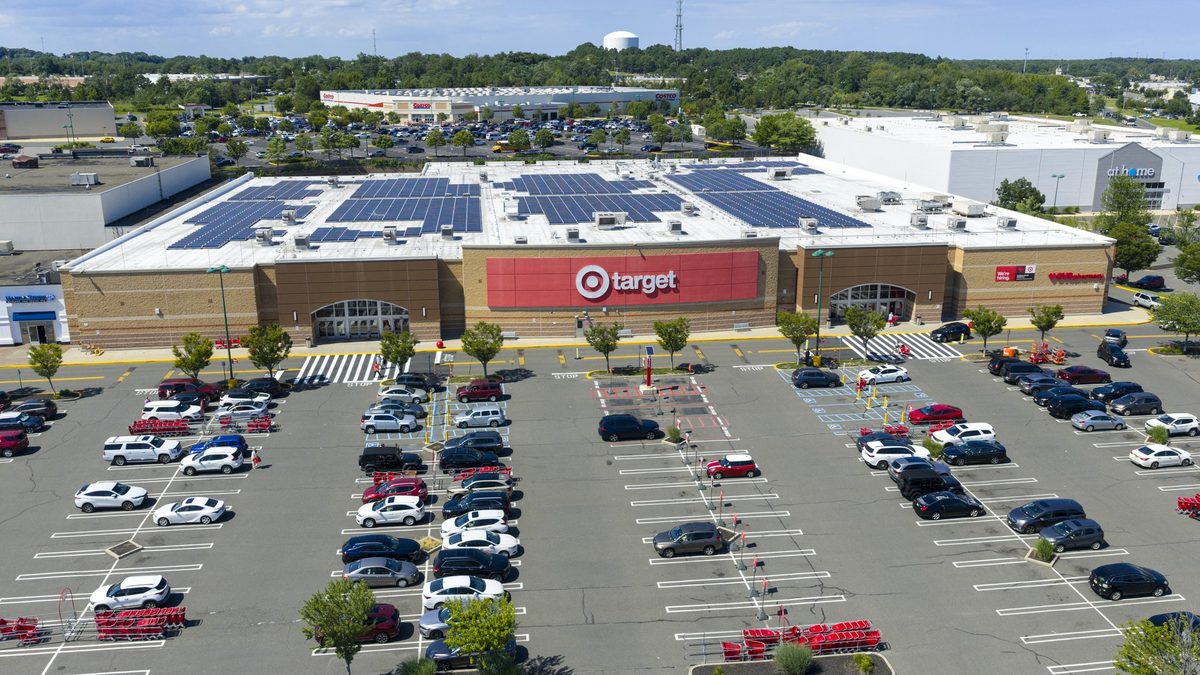
Target delivered its strongest quarterly sales gain in roughly five years on Wednesday, fueled by a revitalized product lineup, expanded same-day deliveries, and price cuts that brought in customers battered by inflation. The Minneapolis retailer reported a better-than-expected 7.1% increase in net sales, its best performance since the fourth quarter of 2021, and raised its annual earnings and sales outlook for the second time.
Net sales rose to $27.07 billion from $25.27 billion a year earlier, beating the $26.5 billion analysts expected, according to FactSet. Comparable sales, which include online and physical stores, rose 5.6%, with comparable store sales up 4.6% and digital sales up 9.8%. Traffic rose 5.0%. It was the third straight quarter of comparable sales growth, following a 5.6% gain in the first quarter and a 3.8% uptick in the second, and the comparison was flattered by a 2.7% drop in the year-ago period. The three-month period that ended October 31 overlapped with the back-to-school shopping season.
Earnings per share came in at $2.65 on both a GAAP and an adjusted basis, up from $1.51 GAAP and $1.78 adjusted a year earlier, and well above the $2.08 analysts expected. But half of the beat came from an unusual source. The company received a $301 million pretax benefit from government tariff refunds, worth $0.50 per share and contributing $228 million to net earnings. Excluding the refunds, GAAP earnings per share would have risen 42% and adjusted earnings per share 21%.
Net earnings rose 75.8% to $1.21 billion from $689 million a year earlier. Operating income was $1.7 billion, a margin of 6.2% that includes a 1.1 percentage point benefit from the tariff refunds, versus $0.9 billion on a GAAP basis and $1.1 billion adjusted a year earlier. Gross margin was 30.5%, up 2.3 percentage points, with 1.1 points from the refunds and 1.2 points of underlying improvement. Merchandise sales rose 6.9%, and non-merchandise sales rose 19.3%, driven by Roundel advertising, Target Circle Card profit sharing, Circle 360, and Target+. Growth was led by electronics, gaming equipment, sporting goods, toys, trading cards and collectibles, a category Target calls Fun 101, which rose about 27%, along with beauty products up more than 9% and food and beverages up about 7%.
Target raised its full-year guidance. The company now expects net sales growth of about 6%, one percentage point higher than the guidance it gave in August, and an operating margin of about 6.2%, including about 1.1 percentage points from tariff refunds. Full-year earnings per share are now projected at $10.65 to $11.40, up from $9.90 to $10.90 in August, including about $2.14 of tariff-refund benefits recognized to date. Capital spending for 2027 is expected to be $5 billion to $6 billion. In the third quarter, capital spending was $1.4 billion, up $0.4 billion from a year earlier, dividends were $527 million, and the company bought back $251 million of stock, or 1.6 million shares at an average price of $155.49. About $8.0 billion of repurchase capacity remains.
Chief executive Michael Fiddelke, a 20-year company veteran who became chief executive in February, said: "Our third-quarter results reflect continued progress against our strategic priorities, centered on serving busy families with our signature blend of style, design and value." He told reporters this week that the sales momentum was not limited to certain categories or based on any one initiative, and that the company has seen business pick up across its markets among shoppers of all incomes. "It's the cumulative impact of changes across our business that is driving this guest preference for Target," he said.
The turnaround has been building since March, when Fiddelke unveiled a multibillion-dollar investment plan aimed at reversing a post-pandemic sales slump. The overhaul focused on stocking products and brands that would restore Target's reputation as a place for affordable yet stylish items. In September, Target launched a new Target Beauty Studio concept in more than 600 locations, featuring upscale beauty products and trained staff, partly replacing the Ulta shops that were in some stores before Target and Ulta Beauty ended their partnership in August. The company also cut prices on nearly 2,000 additional items during the third quarter.
The holiday season is the next test. Target said it has more than 8,000 new gifts for the holidays, over half of them exclusive, with thousands priced at $5 and under, and a $30 Thanksgiving meal for six. November net sales so far are in line with the full-year outlook, accelerating from October. Shares were essentially flat before the opening bell on Wednesday, and Target is one of the first big retailers to report, giving industry analysts and economists an early read on how U.S. consumers are responding to ongoing inflation pressure before the end-of-year holidays.
Why it matters: Target's quarter is a genuine turnaround story, but it comes with an asterisk that investors will not ignore. The 7.1% sales gain and the third straight quarter of comparable growth show the March overhaul is working: the lineup is fresher, prices are lower, and shoppers of all incomes are coming back. Yet $0.50 of the $2.65 in earnings per share came from tariff refunds, a one-time government payment, and the underlying profit improvement was far smaller than the headline suggests. The raised full-year guidance, which bakes in another $2.14 per share of refunds, means the company is counting on that money to hold the numbers up. The real verdict comes in the holiday season, when the new gifts and price cuts meet shoppers who are still worried about the economy.
Reporting: Morningstar · The Herald Review
Spot an error? Orbit News corrects articles promptly and notes the correction in the article. See our Editorial Policy, or flag an error by messaging us on Facebook, X, or Instagram.