Business
Nvidia Posts Record $115.8 Billion Quarter in First Earnings Without Huang
Revenue more than doubled as AI demand kept climbing, but the chipmaker's new leadership faces questions about circular financing, China probes, and a $518 billion pile of commitments.
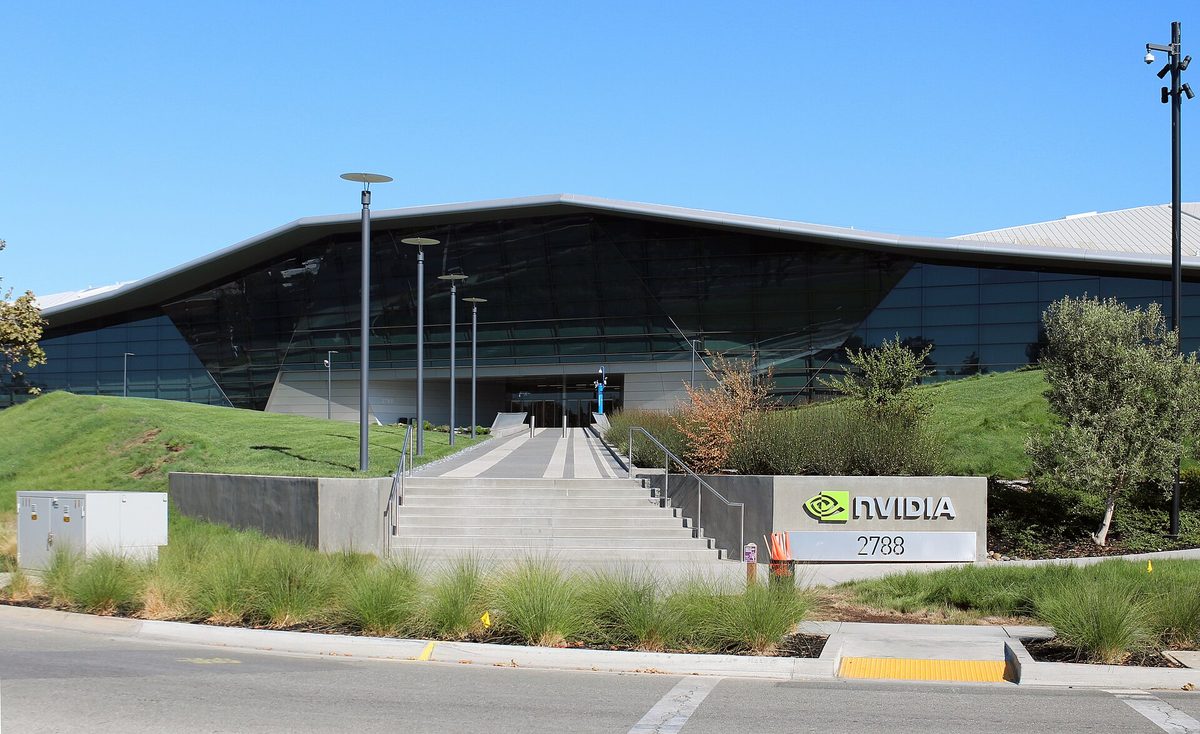
Nvidia reported record revenue of $115.8 billion for its third quarter on Tuesday, November 17, more than doubling from a year earlier and beating Wall Street's expectations by about 6%. It was the chipmaker's first earnings report since its founding in 1993 delivered without founder Jensen Huang, and it arrived under interim chief executive and chief financial officer Colette Kress.
Revenue rose 103% from a year earlier and 20% from the prior quarter, topping the $109.1 billion consensus compiled by LSEG and Nvidia's own outlook of $108.0 billion, plus or minus 2%. Earnings per share came in at $2.70 on a GAAP basis, up from $1.30 a year earlier, while adjusted earnings per share of $2.68 beat the $2.47 consensus. Data center revenue, the heart of the business, reached $107.6 billion, up 110% from a year earlier and 21% from the prior quarter. Gross margin was 74.8% on a GAAP basis and 74.9% on an adjusted basis, up 1.5 percentage points from a year earlier and above the roughly 74% the company had guided. Net income was about $65 billion, more than double a year earlier.
The outlook was even stronger. Nvidia guided fourth-quarter revenue to about $130 billion, plus or minus 3%, a range of roughly $126.1 billion to $133.9 billion, with gross margin of 71.0% to 72.0%. The quarter includes an extra week, and the guidance assumes no data center compute revenue from China. The company also raised its fiscal 2028 revenue growth outlook to about 75%, from about 70%.
The scale of the company's ambitions is visible in its commitments. Future contractual commitments surged to $518 billion from $366 billion in the second quarter, an increase of $152 billion in three months, covering equity investments, data center leases, and cloud contracts. That includes $390 billion in supply-chain investment, up more than $100 billion in three months, largely to secure memory. Free cash flow was $43.7 billion, more than double the $21.3 billion of the second quarter, while accounts receivable nearly tripled from a year earlier on extended payment terms with large cloud customers, including Meta and SpaceX.
The leadership question hung over the report. Huang resigned on November 12 after admitting an extramarital affair, and the board has said it will not reinstate him, though Huang has said he would "be honored" to return if invited. He can nominate two directors, and a campaign to reinstate him exists. On November 17, the board formed a National Security and Export Control Oversight Committee, a sign of how central the China questions have become to the company's governance.
On the product side, shipments of the Vera Rubin NVL72 have begun, with racks now running at CoreWeave, Google Cloud, Microsoft Azure, Oracle Cloud Infrastructure, and Nebius. The company says it is the fastest product ramp in its history, with first-quarter production shipments near $20 billion. Kress signaled a tighter review of circular financing arrangements, and the company's commitments to neocloud customers, its fastest-growing business, depend on those customers securing financing and deploying computing power in time.
China remains the biggest unresolved question. The company said $2.4 billion of licensed Hopper sales in the third quarter were halted, and the fourth-quarter outlook excludes data center compute revenue from China entirely. An internal inquiry is underway, the Justice Department and the Commerce Department are investigating Megaspeed, the Securities and Exchange Commission is looking into Nvidia's disclosures, according to the Wall Street Journal, and U.S. lawmakers have summoned Huang to testify. The company's market value is about $3.8 trillion, according to Reuters.
Investors took the results in stride. Nvidia shares closed at $155.46 on Tuesday, down 0.44% in the regular session, and rose 2.12% in after-hours trading as of 5:06 p.m. ET, according to the Seoul Economic Daily. The board also authorized a $150 billion increase to the share-repurchase program, a signal that the company intends to keep returning cash to shareholders while it navigates the transition.
Why it matters: The results prove the AI demand story is still real and that Nvidia still dominates it, with revenue more than doubling and the next generation of chips ramping faster than anything the company has shipped before. But the questions that matter now are about the business model, not the quarter: whether $518 billion in commitments and the financing of fast-growing neocloud customers can hold up, whether the board can govern a $3.8 trillion company without its founder, and whether the China probes change Nvidia's access to the world's biggest chip market. The modest after-hours gain suggests investors are relieved but not yet convinced, and the next test is whether the new leadership can keep the growth coming without the man who built it.
Reporting: Seoul Economic Daily · Reuters
Spot an error? Orbit News corrects articles promptly and notes the correction in the article. See our Editorial Policy, or flag an error by messaging us on Facebook, X, or Instagram.