Business
New Reports Widen the Nvidia Chip-Smuggling Web Beyond Megaspeed
The Wall Street Journal has identified Li Ming, a 52-year-old Chinese national out on bail in Singapore, as a central operator of the network that smuggled restricted Nvidia chips to China — while the FT traced the web to hundreds of shell companies and an alleged Cambodian crime group.
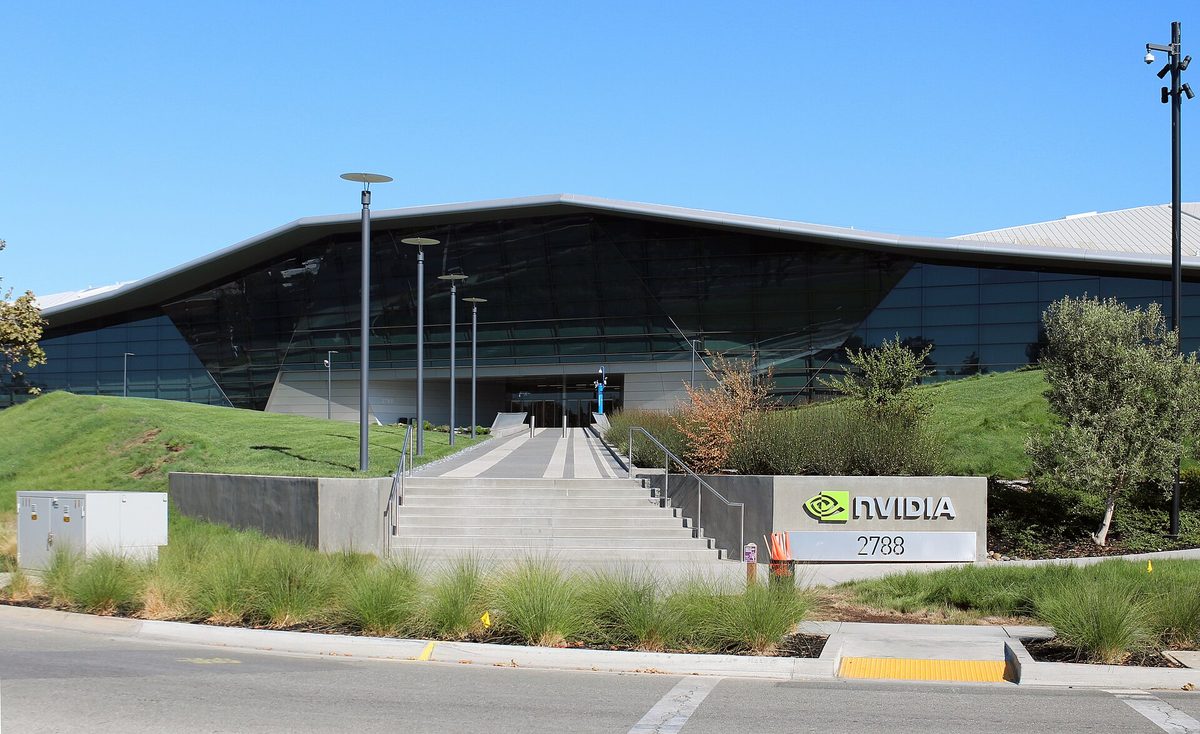
New reporting from the Wall Street Journal and the Financial Times has widened the Nvidia chip-smuggling scandal well beyond Megaspeed, the Singapore company at the center of the affair that cost chief executive Jensen Huang his job. At the heart of the new reporting is a 52-year-old Chinese national, Li Ming, described as a central operator of a network of companies that smuggled restricted Nvidia artificial-intelligence chips into China.
Li is currently out on bail in Singapore, living in a luxury villa down the street from the Chinese Embassy, according to the Journal, which cited people familiar with the matter. He was deeply involved in the activities of Megaspeed, the Singapore-based company where Alice Huang — the woman U.S. officials suspect of being a Chinese spy, and whose affair with Jensen Huang led to his resignation — served as a managing director. Li took part in major decisions at Megaspeed and played a role in other companies trading Nvidia chips.
Authorities in Singapore charged Li and others with fraud in February 2025, in a case tied to the alleged transshipment of Nvidia chips. Prosecutors allege Li bought computer servers equipped with Nvidia chips and lied to the American supplier, claiming the hardware was for his local company, Luxuriate Your Life. Instead, prosecutors allege, those servers were shipped to neighboring Malaysia — and then to an unnamed third location. Several companies were named in the charges, but not Megaspeed.
By the time those charges were filed, Li had been working with Alice Huang and her husband, Kang Wei, for years, the Journal reported. In 2021, the couple set up a cloud-computing joint venture called Century Longteng, according to Chinese corporate registry records. In January 2023, Li appeared in a social-media photo documenting his visit to a Shanghai AI equipment company, identified as Century Longteng's chief strategy officer.
The network's method, as described by people familiar with the business, was to build a chain of partners across Southeast Asia to funnel advanced computing power to Chinese customers. They acquired the Singaporean unit of a Chinese video game company and renamed it Megaspeed, with Alice Huang registered as a company director. After telling Nvidia that Chinese tech giant Alibaba was an anchor customer, Megaspeed became a member of Nvidia's cloud partner program in November 2023, a status that granted it priority access to buy the latest chips.
Megaspeed brought servers to Malaysia and provided legal offshore computing power to Alibaba, the people said. But in violation of U.S. export controls, some of those servers were sent to a Shanghai tech company called Century Litong, the Journal previously reported. Century Longteng was a major shareholder of Century Litong until 2024.
A separate Financial Times investigation, published on Nov. 21, found that Alice Huang was connected to a network that supplied AI chips to China-based users, including an alleged Cambodian criminal enterprise. The FT says the web also took in Nvidia's cloud partners, gaming entrepreneurs and hundreds of shell companies, which together made billions of dollars from moving restricted chips into China. The FT traced the network through more than a dozen interviews and hundreds of corporate filings, and found it began with Inspur, a major Nvidia partner for building chip servers in China that Washington put on its entity list in March 2023 over alleged help for the Chinese military. Its part-owned San Jose unit was not listed, was renamed Aivres, and kept trading with Nvidia.
The companies involved have pushed back. Nvidia says its shipments were all legal and authorized by the U.S. government, spokesman John Rizzo said this week, and the company said in June 2025 it had placed Megaspeed on its internal 'no-sell' list. Megaspeed says it operates 'fully within the bounds' of export controls and that Alice Huang left the firm in August 2025. The U.S. Departments of Commerce and Justice said on Nov. 17 that they had been investigating Megaspeed since 2024 and had interviewed Alice Huang in June 2025. Singapore police investigated Alice Huang over Megaspeed's server purchases and found insufficient evidence of an offense; she received a stern warning and was barred from re-entering the country. Attorney General Todd Blanche said on Nov. 12 that the Justice Department had reached no conclusion on whether she was a spy.
The fallout for Nvidia itself continues to grow. Jensen Huang resigned on Nov. 12 after the board accepted his resignation as chief executive, president and director; chief financial officer Colette Kress became interim CEO. Huang has agreed to a transcribed interview with three House committees on Dec. 1, under the threat of a possible subpoena. Nvidia closed on Friday at $125.53, down 14 percent on the day and about 28 percent below its Nov. 11 close of $173.73, the last before the resignation was announced. It was the stock's seventh straight weekly fall, the longest run since 2008, and the slide began before the scandal, amid worries over AI spending and rival chips.
What the new reporting establishes is that the Megaspeed affair was not a single rogue operation but part of a much larger system for moving restricted American chips into China — a system built on shell companies, friendly intermediaries and the priority access that comes with being a trusted Nvidia partner. With U.S. investigators, Singapore prosecutors and Congress all now circling, the question is no longer whether chips reached China in violation of export controls, but how much of the network remains in operation, and who else in the AI supply chain was part of it.
Why it matters: The Li Ming and FT reports change the shape of the Nvidia story. Until now it has been told as a personal scandal — a chief executive, an affair, a suspected spy — with the chip smuggling as background. The new reporting reverses that: the smuggling network was the main event, it involved hundreds of shell companies and billions of dollars, and it was still operating through new front companies this year. That is why the stock keeps falling even after Huang's resignation, and why Congress wants him under oath on Dec. 1. The governance crisis is over; the export-control crisis is just beginning.
Reporting: TBS News · TradingView
Spot an error? Orbit News corrects articles promptly and notes the correction in the article. See our Editorial Policy, or flag an error by messaging us on Facebook, X, or Instagram.
Related from Orbit News

EU and Indonesia Sign Landmark Trade Deal After a Decade of Talks
Business · Nov 22, 2026
SoftBank's Son Weighed a $1 Trillion Bid for SK Hynix — Then Shelved It
Business · Nov 22, 2026