Business
EU and Indonesia Sign Landmark Trade Deal After a Decade of Talks
The EU and Indonesia signed a comprehensive trade deal and an investment protection agreement in Brussels on Saturday, removing duties on nearly all goods traded between the two sides after almost ten years of negotiations.
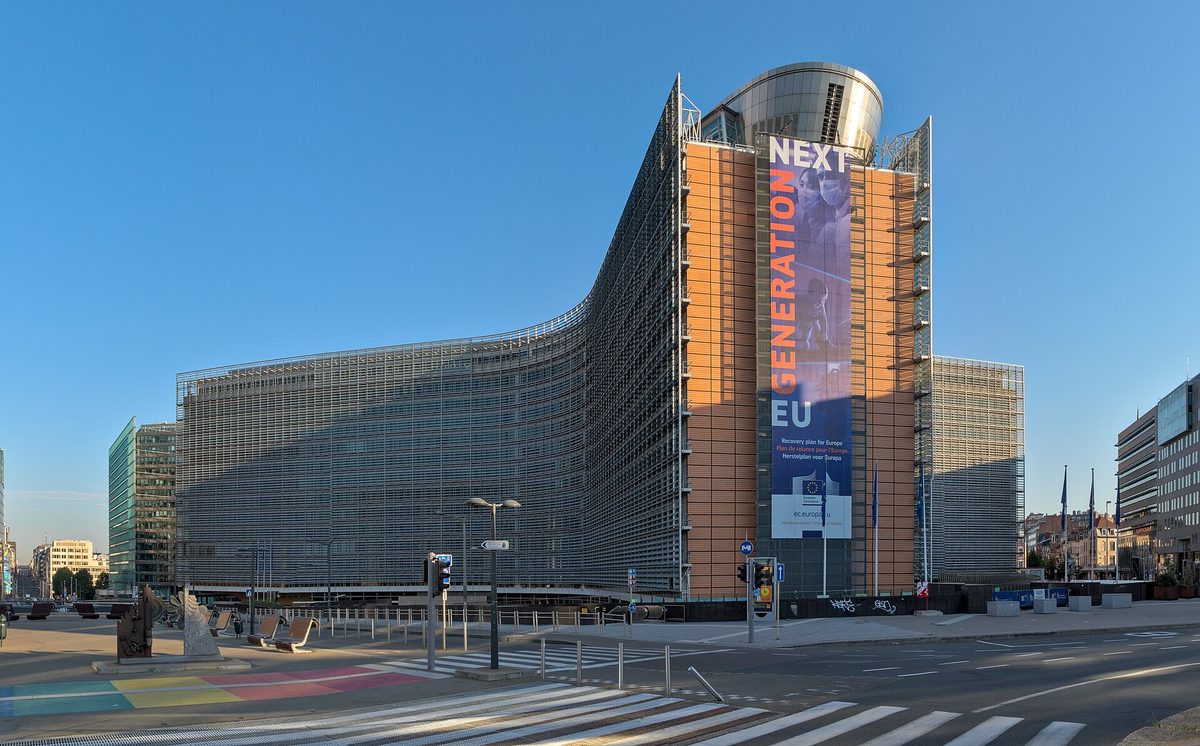
The European Union and Indonesia signed a wide-ranging trade agreement and a separate investment protection agreement in Brussels on Saturday, ending almost a decade of negotiations and creating a market of 730 million people. The deals are expected to take effect in early 2027, once the European Parliament gives its consent and Indonesia completes its own ratification procedures.
The Comprehensive Economic Partnership Agreement, known as IEU-CEPA, was signed for the European Union by Trade Commissioner Maroš Šefčovič, alongside Indonesian Coordinating Minister for Economic Affairs Airlangga Hartarto and Trade Minister Budi Santoso. European Commission President Ursula von der Leyen attended the ceremony and spoke by phone with Indonesian President Prabowo Subianto to mark the occasion. Negotiations were launched in July 2016 and concluded in September 2025; EU governments authorized the signature and provisional application on Nov. 18.
Once fully in force, the agreement will remove duties on 98.5 percent of tariff lines, the European Commission said. Indonesia will cut its duties on European cars, which now reach up to 50 percent, over five years, while tariffs of up to 15 percent on machinery, 25 percent on chemicals and 15 percent on pharmaceuticals will also fall. On the other side, 90.4 percent of Indonesian tariff lines will enter the EU duty-free from day one, including palm oil, footwear, textiles and fishery products.
The Commission estimates the deal will save EU exporters about 650 million euros a year in duties — roughly $713 million at current rates. The agreement will also remove tariffs on most EU farm exports to Indonesia, which were worth 960 million euros in 2025, and protect 221 EU geographical indications, the place-based names for foods and wines that Europe guards jealously in trade talks.
Trade in goods between the two sides was worth 28.9 billion euros in 2025, with European exports valued at 10.2 billion euros and imports from Indonesia reaching 18.7 billion euros. The Commission projects the deal will make the EU economy 16 billion euros larger and Indonesia's 27 billion euros larger by 2042. 'This is one of the most ambitious deals the European Union has concluded in Asia,' von der Leyen said. 'Together, we represent a market of 730 million people.'
The agreement is part of a wider European effort to diversify trade and offset the impact of U.S. President Donald Trump's tariffs, and it gives EU manufacturers steadier access to some of the world's most important raw materials. Indonesia is among the world's largest producers of nickel and cobalt, metals essential for batteries and the green transition, and the pact aims to secure those supplies for European industry.
The deal also tries to answer the sustainability questions that have dogged EU trade with Indonesia for years. It sets a duty-free quota for crude palm and palm kernel oil and includes a protocol on palm oil to promote sustainable trade, while mining projects must undergo environmental impact assessments. That matters because palm oil and nickel mining have been linked to deforestation and environmental damage in Indonesia, and European lawmakers have pressed for safeguards before approving the pact.
Ratification is the next hurdle. The European Parliament still needs to sign off, and both sides need to complete internal procedures before the deal can apply. The Commission is aiming for provisional application in early 2027 — Asia Daily reported a target date of Jan. 1, 2027 — and von der Leyen said Prabowo would visit Brussels on Dec. 11. Because the investment protection agreement needs approval from all 27 EU national parliaments, a process that can take years, the sides agreed to apply the pact provisionally in the meantime.
For Indonesia, the timing is tight for a different reason. On Jan. 1, 2027, the country graduates out of the EU's Generalized Scheme of Preferences, the program that gives developing countries reduced tariffs. Without the new agreement, Indonesian exporters would have faced higher duties from that date. The trade deal effectively replaces those preferences with permanent, negotiated access — a much stronger position for the world's fourth most populous country and Southeast Asia's largest economy.
The signing caps a run of EU trade diplomacy that has accelerated as Washington's tariff policy pushes traditional partners to look elsewhere. For European carmakers, machinery producers and farmers, the prize is a fast-growing market of nearly 280 million people with tariffs falling to zero on almost everything they sell. For Indonesia, it is guaranteed access to the world's largest single market, legal protection for investors, and a supply-chain partnership with Europe at a moment when the global trading system is being rewritten.
Why it matters: This deal is the clearest sign yet of how Trump's tariffs are reshaping global trade: the EU is systematically locking in alternative markets, and Indonesia is the biggest prize in Southeast Asia. The economics are modest next to the EU's trade with the United States or China, but the strategic logic is not — Brussels gets guaranteed nickel and cobalt for its battery industry, and Jakarta gets permanent access to 450 million consumers just as its old preferential tariffs expire. The ratification fight in the European Parliament, where palm oil and deforestation will be contested, is the next test.
Reporting: Reuters · Asia Today
Spot an error? Orbit News corrects articles promptly and notes the correction in the article. See our Editorial Policy, or flag an error by messaging us on Facebook, X, or Instagram.
Related from Orbit News
SoftBank's Son Weighed a $1 Trillion Bid for SK Hynix — Then Shelved It
Business · Nov 22, 2026
Bitcoin Briefly Traded at $17,000 on Kraken's Canadian Market — and the Exchange Says the Trades Stand
Business · Nov 22, 2026