U.S. News
Your TV and Radio Will Interrupt for a Minute Today. It Is Only a Test, and There Is No Blackout Coming.
FEMA and the FCC are running a nationwide test of the Emergency Alert System at about 2:20 p.m. Eastern on Tuesday, November 17. Phones will not buzz, the power grid will not go down, and the viral rumors of a 90-day blackout have no basis in any official announcement.
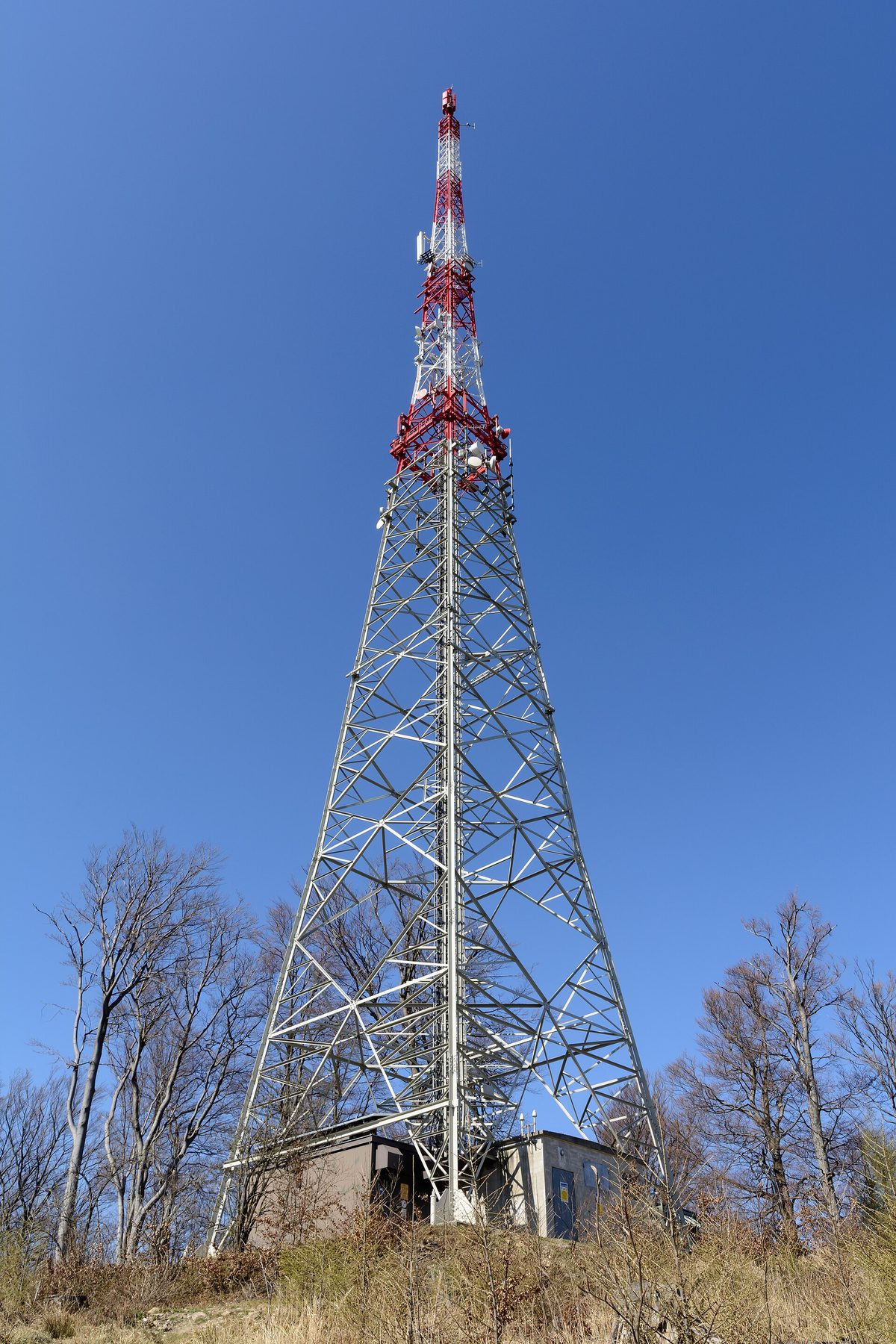
At approximately 2:20 p.m. Eastern on Tuesday, November 17, radio and television stations across the United States will briefly interrupt normal programming for a nationwide test of the Emergency Alert System, the Federal Emergency Management Agency announced in September. The test will last about one minute, and normal programming will resume when it ends. It will not be sent to mobile phones.
The message viewers and listeners will hear is deliberately plain. "This is a nationwide test of the Emergency Alert System, issued by the Federal Emergency Management Agency, covering the United States from 2:20 to 2:50 hours ET. This is only a test. No action is required by the public," FEMA said. Broadcasters, cable systems, satellite radio and television providers and wireline video providers nationwide will carry it, in English and Spanish.
The test has become the center of a wave of online rumors claiming that November 17 is the date of a nationwide blackout, a 90-day power shutdown, or the day the internet goes down. There is no evidence for any of that. As of Monday night, no federal agency, utility or grid operator had announced anything of the kind, and fact-checkers and local newsrooms around the country have looked and found nothing to support the claims. FEMA addressed the rumors directly in a post on X on Monday: "We've heard a lot of rumors about tomorrow's EAS test. No blackouts, no secret emergencies. Just our legally mandated, routine test on TV and radio at approximately 2:20 PM ET."
The test is not a surprise, and it is not new. FEMA and the FCC announced it publicly on September 16, and federal law requires the agency to run a nationwide test of the public alert and warning system at least once every three years, so technical or operational problems can be found before the system is needed in a real emergency. The last nationwide test was in October 2023. The FCC's formal notice, Public Notice DA 26-989, also names Thursday, December 3, as the backup date if severe weather or a real emergency prevents the test from going ahead on Tuesday.
The Emergency Alert System is the national public warning system made up of thousands of radio, television, cable, satellite and wireline video providers. Through it, the president can address the American people or share life-saving information during a national emergency. Tuesday's test checks only the broadcast-based system. It does not touch the power grid, cut internet service or take phone service down, and it carries no banking instruction or utility order.
A statewide version of the test took place in Alaska last month as a precursor to the nationwide exercise, according to CNN. The FCC's report on the October 2023 test found that 96.6 percent of participating alert entities received the message and 93.6 percent successfully retransmitted it, figures the agency uses to measure whether the system is ready when it matters.
The test lands in an anxious week. It comes days after a nationwide Federal Aviation Administration ground stop on Friday stranded thousands of travelers, and a day after a Monday outage that disrupted online banking at several major U.S. banks — Chase blamed a software bug and said the issue was resolved by Monday evening — as of November 17. That pile-up of real disruptions is part of why the blackout rumors found an audience, even though the alert test has nothing to do with either episode.
FEMA and the FCC have been coordinating with broadcasters and with federal, state, tribal and territorial agencies to prepare for the test, and they shared the date in advance specifically so the public would know what to expect. If an actual emergency or significant weather event occurs on Tuesday, the agencies may postpone the test to December 3.
For most Americans, the whole event will be a minute of tones and a recorded message in the middle of the afternoon. The useful part is what happens out of sight: the test tells FEMA and the FCC which stations received the alert, which ones retransmitted it, and where the chain breaks, so the gaps can be fixed before the next hurricane, wildfire or other disaster makes the system real.
Why it matters: The test itself is routine — the law requires one at least every three years — but the rumors around it are the story of the week. A real, publicly announced government exercise was folded into a viral prophecy about a blackout, and the only thing separating the two is what the official record actually says. FEMA's unusually blunt social media posts show the agency has learned it cannot simply announce a test and walk away; it has to debunk the fiction in the same breath. The test's real value is unglamorous and practical: finding the stations and links that fail before a disaster exposes them.
Spot an error? Orbit News corrects articles promptly and notes the correction in the article. See our Editorial Policy, or flag an error by messaging us on Facebook, X, or Instagram.
Related from Orbit News
U.S. Intelligence Says Iran Is Drawing Up Plans for a Dirty Bomb Attack in Washington
U.S. News · Nov 17, 2026
Pentagon Fails Its Financial Audit for the Ninth Year in a Row, Even as Most of Its Units Pass
U.S. News · Nov 17, 2026