Technology
Musk Warns Nvidia Could Lose Critical Deals After Huang's Exit: Many Were a Handshake
Elon Musk warned on Saturday that Nvidia could lose some of its most important supply-chain relationships after Jensen Huang's resignation, saying many of the deals were sealed with a handshake rather than a written contract.
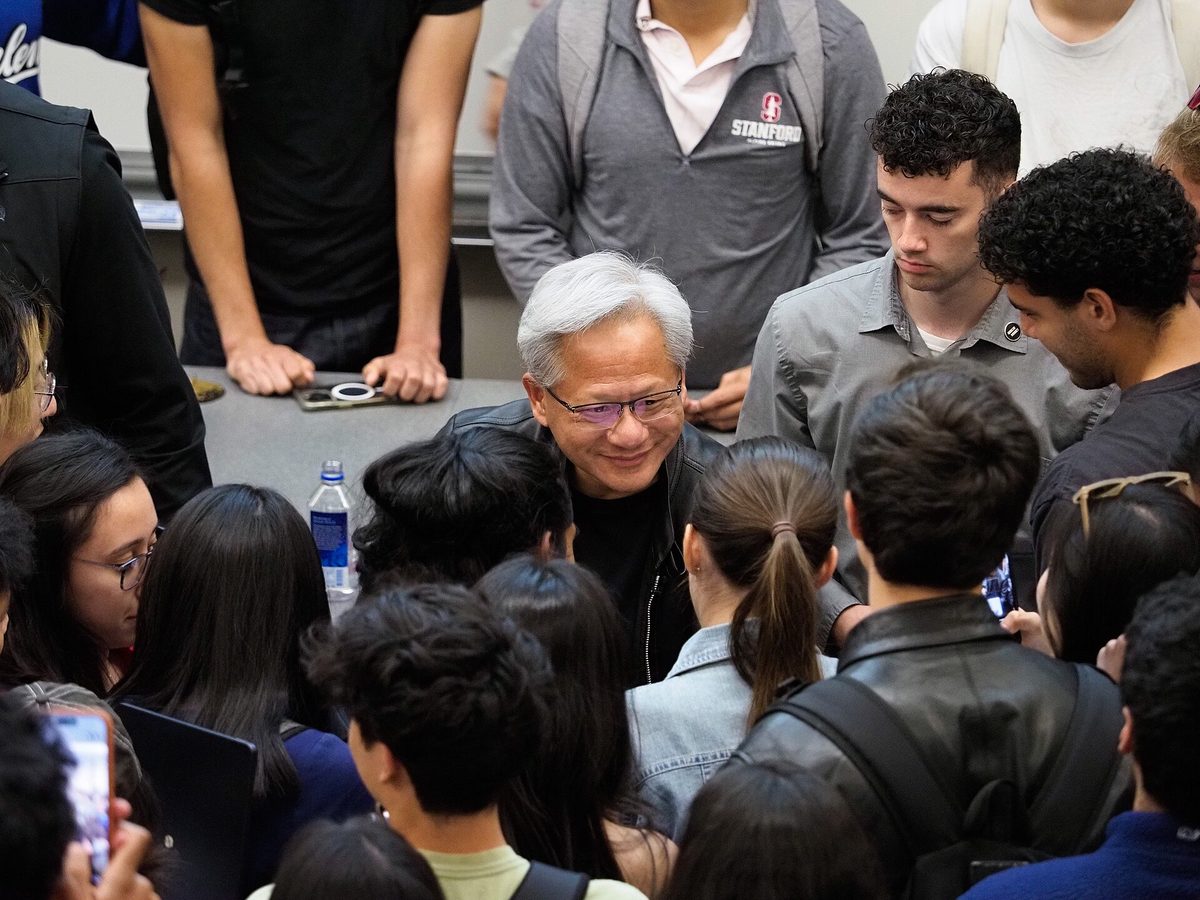
Elon Musk warned on Saturday, November 14, that Nvidia could lose some of its most important supply-chain relationships following the departure of Jensen Huang, saying many of the arrangements depended on personal trust rather than written contracts. The warning, posted on X, is the most pointed public assessment yet of what Huang's exit could cost the company he led for 33 years.
Musk wrote: "Jensen drove supply chain brilliantly at Nvidia, but many of those deals were a handshake with Jensen, not a written contract. Without Jensen, at least some of those critical deals will be lost." The message was striking because Musk is one of Nvidia's biggest customers, and his companies buy the chips that power his own artificial intelligence ambitions. His warning carries the weight of someone who has negotiated those deals himself.
He added from his own experience: "If Jensen gave me his word about compute delivery or I asked for components to be accelerated, he always came through. Sure, we'd put together a purchase order at some point later, but I never for a second thought it wouldn't happen." The point was that Huang's word functioned as the contract, and that a new chief executive will have to rebuild that trust from scratch with suppliers who have no personal history with the company.
Musk was responding to a CNBC interview with Dylan Patel, the founder and chief analyst of SemiAnalysis, who argued that Huang personally persuaded even small suppliers — some generating only a few hundred million dollars in annual revenue — to dedicate production capacity to Nvidia. Patel also said Google is now begging for more capacity from the whole supply chain, and suggested Nvidia may be only about a year ahead of its biggest rivals. The interview framed Huang's departure as a moment of vulnerability for a company that has dominated the AI chip market.
Huang resigned as Nvidia's chief executive, president and a board member on Thursday, November 12, ending a 33-year tenure at the company he co-founded. Chief financial officer Colette Kress has taken over as interim chief executive while the board searches for a permanent successor, and the board has said operations, customer commitments and the product roadmap should continue without interruption. Musk has also signed a petition calling for Huang's reinstatement.
The warning highlights a risk that does not show up in Nvidia's financial statements. The company's dominance rests not only on its chip designs but on a web of supply relationships built over decades, from the foundries that make its chips to the smaller suppliers that provide components. If those relationships were held together by Huang's personal credibility, his departure could loosen them at exactly the moment rivals are trying to catch up.
The timing is awkward for Nvidia. The company is at the centre of the artificial intelligence boom, and its chips are in short supply around the world. Customers from cloud giants to carmakers are competing for the same capacity, and suppliers have every incentive to spread their output more widely now that the man who persuaded them to prioritise Nvidia is gone. Patel's argument that Google is now seeking more capacity from the whole supply chain underlines how quickly the queue for chips is forming.
Nvidia's board has tried to reassure investors that the transition will be smooth, but Musk's intervention suggests the market's calm may be premature. A supply chain built on handshakes is only as strong as the person who shook the hands, and the test of the new leadership will be whether suppliers keep their commitments when the person who made them is no longer in the room.
What happens next will be visible in Nvidia's supply announcements and in the behaviour of its rivals. If suppliers start reallocating capacity to Google, AMD or other competitors, Musk's warning will look prescient. If Nvidia's interim leadership holds the line, the board's reassurances will have been vindicated. Either way, the next few months will show whether Nvidia's dominance was built on its technology or on its chief executive's relationships.
Why it matters: Musk's warning matters because it names a risk that Nvidia's board has not addressed: that the company's supply chain was held together by one man's word. If even some of those handshake deals unwind, Nvidia could lose capacity to rivals at the very moment demand for AI chips is at its peak — and Patel's claim that Nvidia is only about a year ahead of its rivals makes that timing dangerous. The test now is whether interim chief executive Colette Kress can hold suppliers who dealt with Huang personally. SEQUENTIAL UPDATE: prior site coverage was Huang's resignation; this article reports the genuinely new Nov 14 development — Musk's public warning, with new quotes and the Patel/Google capacity angle.
Spot an error? Orbit News corrects articles promptly and notes the correction in the article. See our Editorial Policy, or flag an error by messaging us on Facebook, X, or Instagram.
Related from Orbit News

Tesla Opens Cybercab Orders at $29,990, but the Car Won't Move Without a $299 Monthly Fee
Technology · Nov 15, 2026
Microsoft Says Global Microsoft 365 Outage Is Over After More Than a Day Offline
Technology · Nov 15, 2026