Technology
Intel Stages Surprise Desktop CPU Comeback as AMD Falls Below 30%
Intel reclaimed 70.1% of desktop CPU shipments in the third quarter of 2026, a five-point swing that caught the market off guard — even as overall PC chip shipments shrank and AMD kept gaining ground in servers.
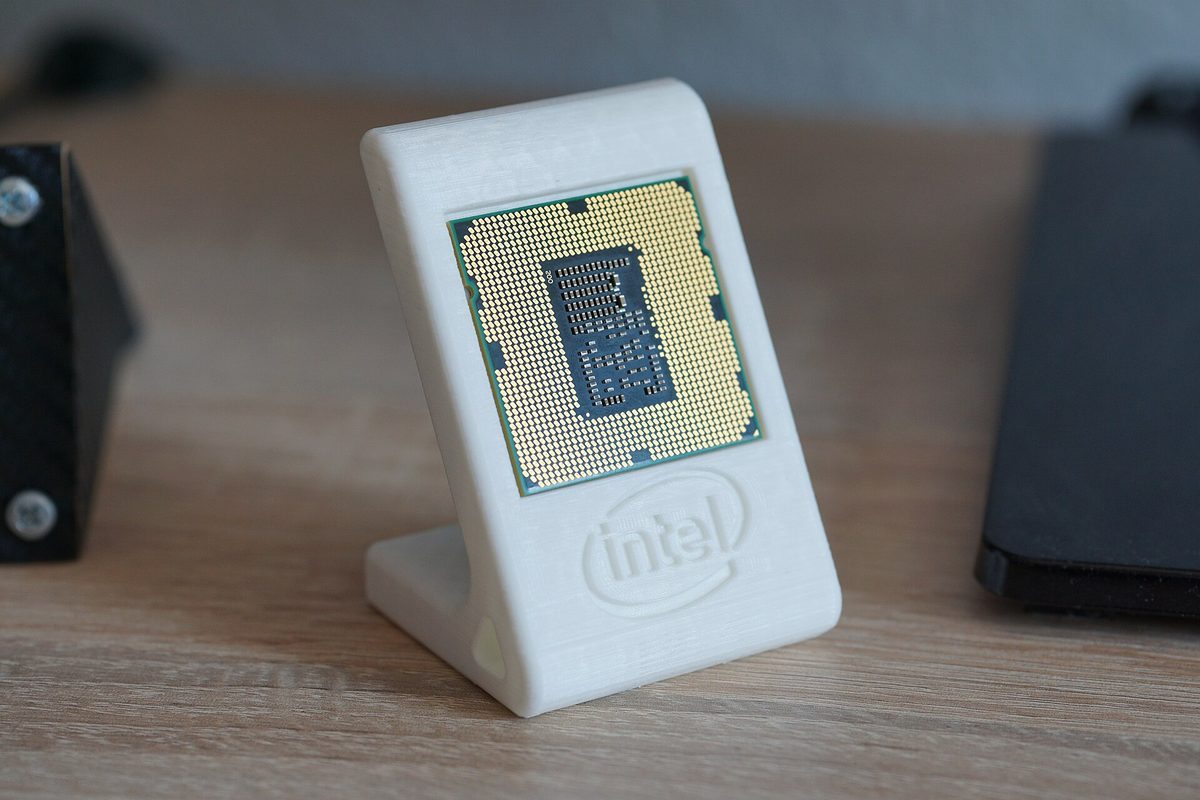
Intel has staged a surprise comeback in desktop computers, reclaiming 70.1% of desktop processor shipments in the third quarter of 2026 while rival AMD slipped below 30% for the first time in the current cycle. The figures, from Mercury Research and reported on November 14, show a 5.0-percentage-point swing in Intel's favour in a single quarter, reversing a trend that had seen AMD steadily eating into Intel's dominance.
The scale of the move is striking. Intel's desktop share climbed from 65.1% in the second quarter to 70.1% in the third, while AMD fell from 34.9% to 29.9%. A year ago, the split was 66.4% for Intel and 33.6% for AMD, so Intel has now pushed past where it stood twelve months ago while AMD has fallen below its year-ago position. The 5.0-point swing is the difference between the two quarters' shares, recomputed from the published figures.
Mercury Research says the exact cause is uncertain, but it speculates that Intel redirected supply toward desktops after weaker demand for mobile processors, having under-supplied desktops earlier in 2026. AMD, which is more exposed to the gaming-PC market, was hit by supply constraints on gaming graphics cards, according to the same analysis. The explanation is speculation rather than a settled fact, and Mercury itself stresses that it does not know for certain why the numbers moved.
The rebound came in a shrinking market, which makes the share shift more about who got the available orders than about growth. Jon Peddie Research, published November 13, found global client CPU shipments of 60.8 million units, down 3.4% on the previous quarter and 6.5% on a year earlier, with desktop CPU shipments down 13% year over year. The figures measure shipments to computer makers, not retail sales to consumers, so they reflect what manufacturers ordered rather than what shoppers bought.
The picture looks very different in the market for server chips, where AMD kept gaining. AMD's share of server CPU shipments rose from 34.5% in the second quarter to 35.5% in the third, up 7.7 points on a year earlier, while Intel's server share slipped to 64.5%, down from 65.5% in the second quarter and 72.2% a year ago. Servers are the most profitable part of the processor market, so AMD's continued gains there matter more to its finances than the desktop setback.
Intel's overall share of the x86 processor market nudged up to 66.1% in the third quarter, from 65.9% in the second, a small gain that reflects the desktop rebound partly offset by the server losses. The numbers show a market in flux rather than a settled winner: Intel is stronger where consumers buy, AMD is stronger where data centers buy, and neither side has a clear grip on both.
The desktop comeback also reflects how much of the chip business now turns on supply rather than demand. When graphics cards are scarce, gaming-PC builders cannot finish machines, and AMD's exposure to that market becomes a weakness. When mobile demand softens, Intel has chips it can redirect to desktops, and its share rises. The quarter's figures are as much a story about logistics as about technology.
For consumers, the immediate effect is likely to be more choice and more competition in desktop machines, particularly in the mid-range where Intel's gains were concentrated. For AMD, the quarter is a reminder that its rise in desktops was never guaranteed, and that its server business is now its most reliable engine of growth. The next quarter will show whether Intel's rebound was a one-off reallocation or the start of a sustained recovery.
Mercury Research is expected to publish its full quarterly breakdown in the coming weeks, and the next set of figures will test whether the desktop swing holds. If Intel keeps its share above 70% while AMD's server gains continue, the two companies will have effectively split the processor market in two — desktops for Intel, servers increasingly for AMD.
Why it matters: This quarter matters because it breaks the story that AMD's rise in desktops was unstoppable. Intel's five-point swing in a single quarter shows how quickly supply decisions, not just chip design, can move market share — and it came even as the overall PC market shrank. The split between desktops and servers is the real story: Intel won the quarter where consumers buy, AMD won it where data centers buy, and the two companies are now fighting different wars. Watch the next quarter's figures to see whether Intel's rebound holds or whether it was a one-off reallocation of chips.
Reporting: Wccftech · HotHardware
Spot an error? Orbit News corrects articles promptly and notes the correction in the article. See our Editorial Policy, or flag an error by messaging us on Facebook, X, or Instagram.
Related from Orbit News

Tesla Opens Cybercab Orders at $29,990, but the Car Won't Move Without a $299 Monthly Fee
Technology · Nov 15, 2026
Microsoft Says Global Microsoft 365 Outage Is Over After More Than a Day Offline
Technology · Nov 15, 2026