World
Iraqi Forces Move Into Kataib Hezbollah Stronghold in Deal to End Militia's Grip on Jurf al-Sakhar
Government troops deployed in the town south of Baghdad on Friday under a compromise that lets the Iran-backed militia pull back rather than fight, after an investigation accused it of smuggling hundreds of millions of dollars in oil.
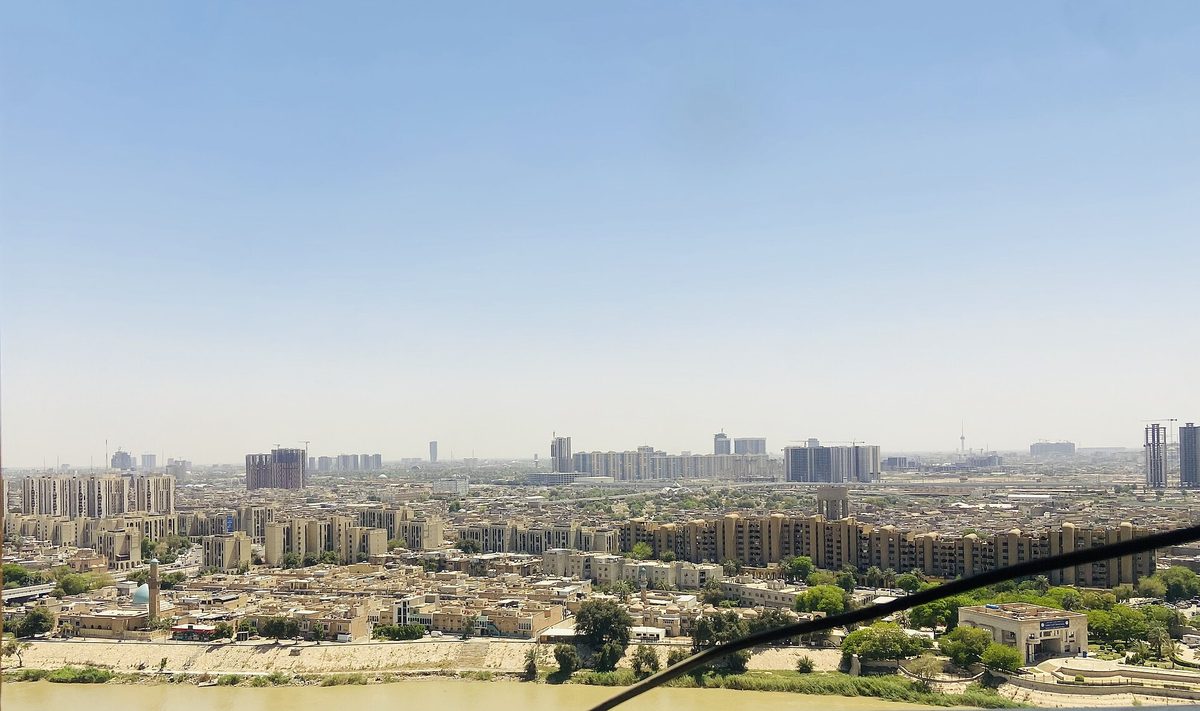
Iraqi security forces deployed in Jurf al-Sakhar on Friday, entering a stronghold of the Kataib Hezbollah armed group under a compromise deal designed to ease tensions with Iran's most powerful militia ally in the country. A convoy of vehicles flying Iraqi flags made its way toward the town and soldiers took up positions in its center, after senior Iraqi security officials told a news conference that government forces would protect the city and that Kataib Hezbollah members were expected to withdraw to other parts of the country.
The move is the riskiest of Prime Minister Ali al-Zaidi's premiership. Kataib Hezbollah has controlled Jurf al-Sakhar, a town about 50 kilometers south of Baghdad in Babil province that the militia also calls Jurf al-Nasr, since 2014, and has denied the Iraqi federal government access to the area for over a decade. Its location, between Baghdad and the holy city of Karbala, gives the militia access to smuggling routes and puts it close enough to the capital for its members to travel there easily, but far enough away to complicate government efforts to control the area.
The standoff began with oil. Officials accused Kataib Hezbollah of running an oil smuggling network that siphoned off hundreds of millions of dollars' worth of state-owned oil from Jurf al-Sakhar, an accusation that followed the leak of a top-secret Iraqi Interior Ministry report detailing how the group has generated millions of dollars in illicit revenue from oil smuggling in the area since 2021. Al-Hurra published satellite images and details from an investigation into the allegations on November 9, and a government committee that visited the area confirmed the findings. On November 14, Zaidi fired nine senior security and oil officials and referred suspects to the judiciary.
Under the deal brokered by Shi'ite politicians, the confrontation was defused rather than fought. A security headquarters will open in Jurf al-Sakhar on Saturday to oversee the handover, and Iraq's energy police have begun securing an oil pipeline in the town. The Federal Police will lead the military headquarters commanding all security forces operating in the area, including Iraqi Army, Popular Mobilization Forces and Energy Police units. Two of the three Kataib Hezbollah brigades based in the town are expected to redeploy to al Qaim, near the Iraq-Syria border, while one brigade stays. “Today is a historic moment in which the Iraqi Armed Forces prove that they are the nation's shield, safety valve, and the guardian ensuring security stability for the Iraqi people,” Sabah al-Numan, spokesperson for the commander-in-chief of the Iraqi armed forces, told the press conference.
The militia, for its part, has denied the smuggling accusations and refused to give up its weapons. Kataib Hezbollah, branded a terrorist group by the United States, has said the weapons of the Iraqi resistance factions are a matter of faith, morality and principle. Its secretary general, Abu Hussein al Hamidawi, said in a statement on November 19 that the militia would settle its issues with the federal government through “private channels” and that its members should return to their “normal activities.” A spokesperson rejected the group's withdrawal outright, and a Kataib Hezbollah commander said Iraqi security forces would have to enter Jurf al-Sakhar “over the bodies” of the group's members.
The deal was shaped to be acceptable to the militia as well as to Baghdad. The Popular Mobilization Forces will deploy its 72nd and 79th brigades to the town, and analysts noted that the 72nd brigade is affiliated with Kataib Hezbollah, suggesting Iranian-backed Iraqi actors picked those specific brigades to appease the group and convince it to accept the plan. The partial withdrawal, instead of a full one, may have been intended the same way. The mediation was led by Brigadier General Esmail Ghaani, commander of the Revolutionary Guards' Quds Force, alongside other Iranian-backed Iraqi actors, and Ghaani has previously shown he can pressure Iraqi militias to act against their wishes.
Washington has been pushing Zaidi to act. A source in the Shia Coordination Framework told Iraqi media that Zaidi talks every day with the U.S. envoy to Iraq and Syria, Tom Barrack, and a U.S. State Department spokesperson said the United States expects Baghdad to hold Iraqi militias accountable for undermining Iraqi sovereignty. Zaidi's own ambitions have also driven the confrontation: he has consistently shown resolve in countering the militias in recent months, and the public nature of the oil smuggling report increased the pressure on him not to back down from his demands for at least a partial withdrawal.
Analysts at the Institute for the Study of War, which tracks the crisis, laid out three possible courses of action for the militia: try to coerce Zaidi into abandoning the deployment, sign an agreement that includes at least a partial withdrawal, or fight. They judged coercion the most likely path, a deal less likely, and armed confrontation the most dangerous outcome. Zaidi placed all Iraqi security forces on their highest level of alert and recalled all security forces on leave in preparation for a potential conflict, a step that may also have been intended to pressure the militia to comply or at least negotiate.
The stakes go beyond one town. Baghdad has set a goal of placing the militias' weapons under state control by June 2027. Some groups have agreed, but Kataib Hezbollah and other powerful militias continue to hold out, even though they are formally part of the Popular Mobilization Forces, a state-backed paramilitary grouping set up in 2014 to fight Islamic State and later recognized as an official security force. While technically under the prime minister's command, the group often operates outside the chain of command and has defied government statements calling for an end to attacks on U.S. forces. Whether Friday's compromise holds, or whether it is the first step toward a confrontation, will be decided in the days ahead.
Why it matters: This deployment matters because it is the first serious test of whether the Iraqi state can reclaim territory from its most powerful Iran-backed militia without a war. Zaidi staked his authority on ending a smuggling operation worth hundreds of millions of dollars, and the compromise lets him plant the flag in Jurf al-Sakhar while letting Kataib Hezbollah keep its weapons and some of its ground. If the deal holds, it is a model for bringing the militias under state control by 2027. If it collapses, Baghdad could face the armed confrontation both sides spent the week preparing for.
Reporting: Reuters · Institute for the Study of War
Spot an error? Orbit News corrects articles promptly and notes the correction in the article. See our Editorial Policy, or flag an error by messaging us on Facebook, X, or Instagram.
Related from Orbit News
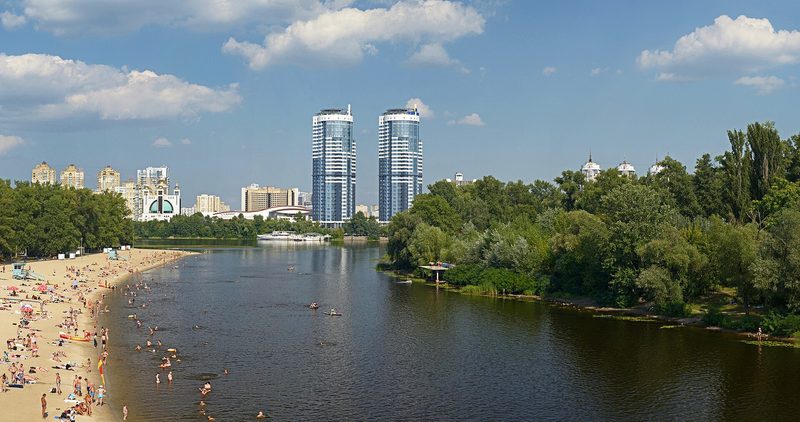
Russia Hits Kyiv Bridges in Massive Overnight Barrage Hours After Trump Calls Putin ‘Tired’ and Ready for a Deal
World · Nov 20, 2026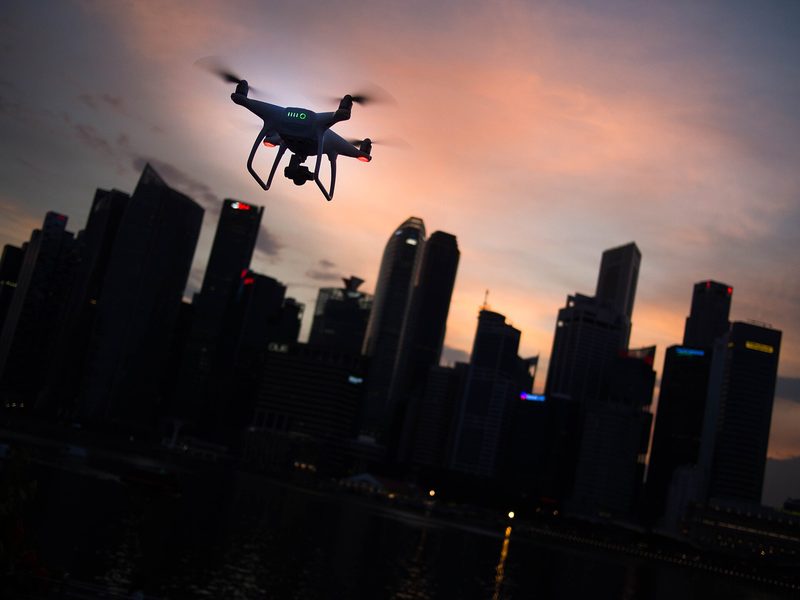
Britain to Give Ukraine More Than 1,000 Long-Range Strike Drones in £260 Million Package
World · Nov 20, 2026