World
Iran Claims It Hit a U.S. Radar in Bahrain as a Tanker Strikes a Mine in Hormuz
The Revolutionary Guard said it destroyed a U.S. early-warning radar in Bahrain and that a gas tanker hit a mine in the Strait of Hormuz. The U.S. military said it shot down two Iranian drones headed for Bahrain and denied the radar claim.
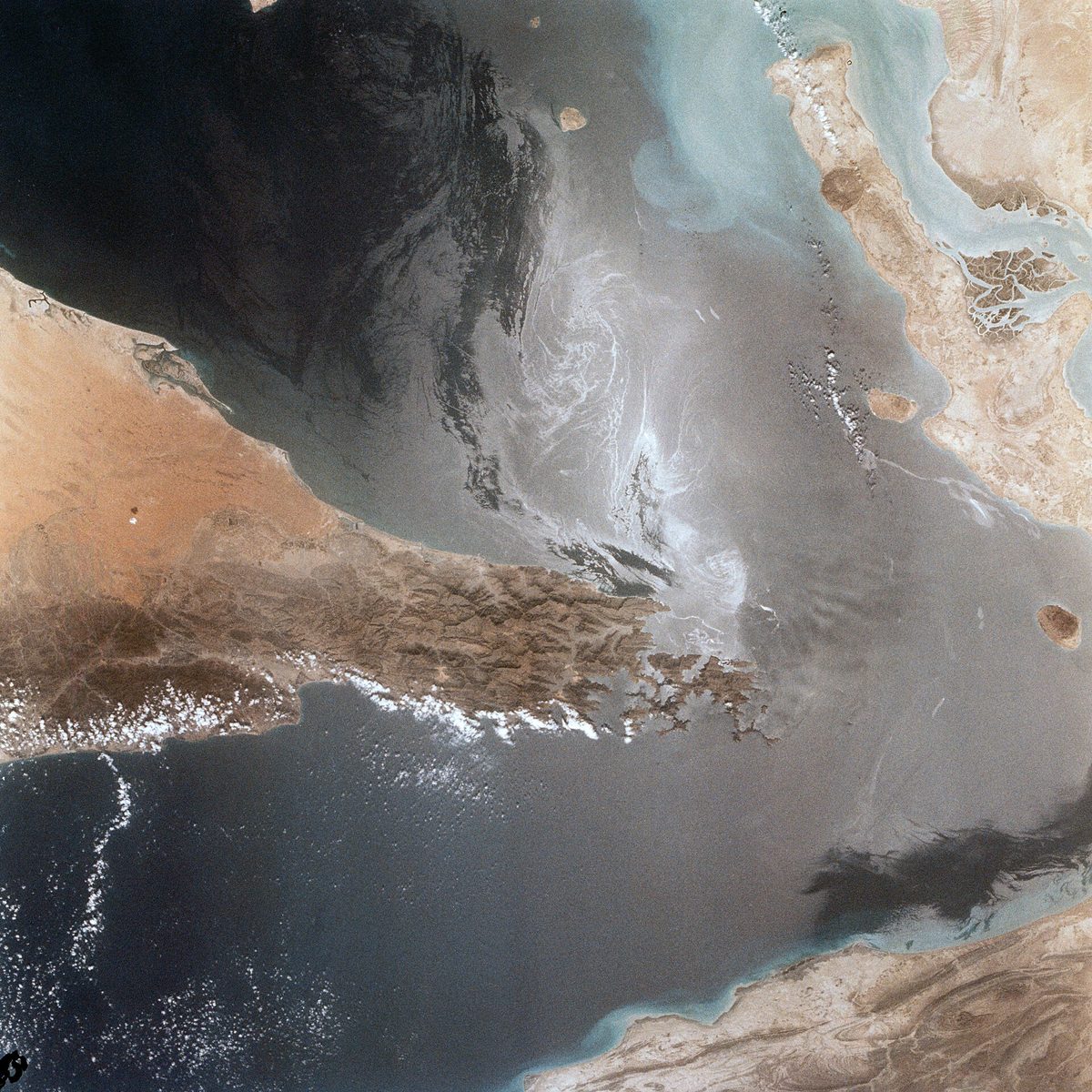
Iran's Revolutionary Guard said on Friday that it destroyed a U.S. early-warning radar in Bahrain and that a tanker carrying liquefied gas struck a naval mine and exploded in the Strait of Hormuz, two claims that could not be independently verified and that the U.S. military swiftly disputed. The announcements, carried by Iran's official IRNA news agency, signalled that the eight-month-old conflict between Iran and the United States is still escalating even during what officials have described as a fragile lull.
The Guard said its Aerospace Force targeted the radar installation in retaliation for what it described as an air attack on a telecommunications tower in the southern Iranian port of Sirik, in Hormozgan province. It was the first such claim of an attack on American military assets in a Gulf country since early September, according to Reuters.
The U.S. military denied the claim. Central Command, the U.S. command covering the region, said on Friday that it had shot down two Iranian attack drones headed toward Bahrain, and that there were no injuries or damage. Bahrain, home to the U.S. Navy's 5th Fleet and one of Iran's strongest critics in the region, did not immediately respond to requests for comment, and there was no immediate comment from Washington on the radar claim itself.
The Guard's navy separately said a tanker carrying liquefied gas struck a mine and suffered an explosion in the eastern part of the Strait of Hormuz while using what it described as an unauthorized and dangerous route. The vessel had ignored repeated warnings while transiting the strait, the Guard said, according to Iranian state media. No details on the tanker were immediately available, and the claim could not be independently verified. The United Kingdom Maritime Trade Operations center, the British military agency that monitors incidents at sea, had no immediate report of the incident.
The mine claim came a day after Iranian media reported that four oil tankers were hit by explosions in the waterway, which is vital for global shipping. At least 10 ships were hit in the first 10 days of November, after 37 attacks in October, the highest monthly tally since the conflict began in late February, according to data from the Washington Institute for Near East Policy cited by Reuters.
The conflict began on February 28 with U.S. and Israeli strikes on Iran, and it has since spread across the region. Iran launched missile and drone attacks on U.S. bases in Gulf states and sought to restrict shipping through the Strait of Hormuz, a vital route for global oil and gas supplies. Washington, in turn, imposed a naval blockade on Iranian ports. Orbit reported on November 12 that two supertankers had been disabled by explosions in the strait, and Friday's claims suggest the campaign against shipping is continuing rather than winding down.
The political backdrop hardened on Thursday, when President Donald Trump said on social media that the United States does not need a deal with Iran, adding that those days have long since passed, and pulled Vice President JD Vance away from the Iran file to focus instead on fraud investigations in Democratic-run cities and states in the U.S.
What happens next is unclear, and that is the point both sides seem to be making. The Guard's claims, verified or not, demonstrate that Iran can still threaten U.S. assets in the Gulf and shipping in the strait. The U.S. response, shooting down drones and maintaining the blockade, demonstrates that Washington is still prepared to answer. With no deal on the table, no nuclear monitoring talks under way, and tankers still being hit, the lull that officials described this week looks less like a pause than a holding pattern before the next round.
Why it matters: Friday's claims matter because they show the war in the Gulf is being fought as much through statements as through strikes: Iran announces a radar destroyed and a tanker mined, the U.S. announces drones shot down, and neither side's account can be fully checked. The pattern is what counts — attacks on shipping have accelerated to their highest monthly pace since the war began, the U.S. blockade remains in place, and the political off-ramps are closing, with Trump saying no deal is needed and Iran saying nuclear monitoring cannot proceed under threat. That combination makes the strait, through which a large share of the world's oil moves, the most dangerous stretch of water on the planet right now.
Reporting: Reuters · Reflector · Reuters
Spot an error? Orbit News corrects articles promptly and notes the correction in the article. See our Editorial Policy, or flag an error by messaging us on Facebook, X, or Instagram.