World
World Court Rules Myanmar Committed Genocide Against the Rohingya
The International Court of Justice ruled by nine votes to six that Myanmar committed genocide against the Rohingya in 2017, the first time the court has ever found a state responsible for genocide.
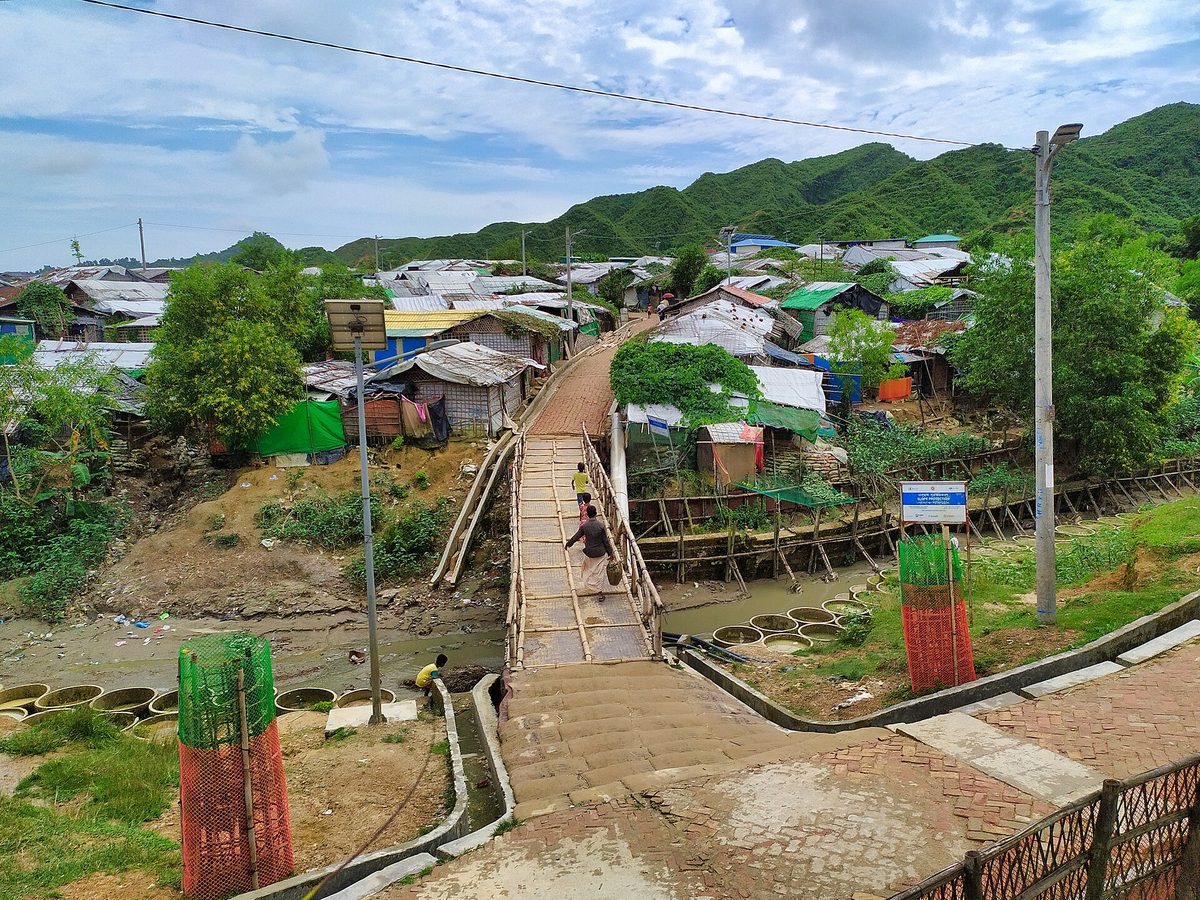
The International Court of Justice has ruled that Myanmar committed genocide against the Rohingya minority in northern Rakhine State during the 2017 military crackdown, holding the country responsible for violating the Genocide Convention. In its landmark judgment delivered on Thursday, the United Nations' highest court found by nine votes to six that Myanmar had committed genocide against the Rohingya, according to TBS News.
Reading out the judgment, ICJ President Judge Yuji Iwasawa said the court, in a 9-6 decision, found that Myanmar “has committed genocide against the Rohingya group in northern Rakhine state, in violation of its obligations under the Genocide Convention.” The 15-judge panel rejected Myanmar's defense that the 2017 campaign was a legitimate operation against insurgents.
The court estimated that around 10,000 Rohingya were killed during the 2017 clearance operations, and found that approximately 815,000 Rohingya living in northern Rakhine State before the operations constituted a substantial part of the group targeted by Myanmar. Iwasawa said the court found that Myanmar's security forces had killed thousands of Rohingya civilians, committed widespread sexual violence and carried out extreme acts of violence against children.
The judges found that Myanmar's military-sponsored hate speech had systematically fuelled hostility against the Rohingya, portraying them as “sub-human” and a threat. The court also considered discriminatory laws and restrictions that had progressively deprived the community of its rights, including restrictions on freedom of movement and marriage, and measures limiting the number of children Rohingya couples could have. The court found that the two-child restriction was intended, at least in part, to reduce births within the Rohingya population.
The case was brought by The Gambia in 2019, accusing Myanmar of violating the 1948 Genocide Convention through its military operations against the Rohingya in 2017. In outlining the background, the court said the Rohingya had lived in Myanmar for generations but had faced decades of discrimination. Successive governments denied the community recognition as a distinct ethnic group, while the 1982 citizenship law excluded the Rohingya from the list of 135 recognised ethnic groups.
The court issued a series of orders requiring Myanmar to fulfil its obligations under the Genocide Convention. By 11 votes to four, it found that Myanmar had violated its obligation to punish genocide. By 14 votes to one, it ruled that Myanmar had failed to enact the necessary legislation to give effect to the convention's provisions. By 13 votes to two, it ordered Myanmar to take immediate and effective steps to investigate all persons reasonably suspected of committing acts prohibited under the convention in connection with the 2017 clearance operations.
By nine votes to six, the court directed Myanmar to provide assurances and guarantees that it would not repeat violations of its obligations under the convention. In two further rulings, both passed by 10 votes to five, the court held that Myanmar was obligated to compensate the Rohingya group and its members for violating its duty to prevent genocide. The amount of compensation and the modalities of compensation and other forms of reparation will be determined by the court at a subsequent stage of the proceedings.
The court also found, by 11 votes to four, that Myanmar had violated its obligation to prevent the destruction of and ensure the preservation of evidence relating to alleged genocidal acts, contrary to an order issued by the court in January 2020. However, the court did not find that Myanmar had publicly incited genocide against the Rohingya. That decision was passed by 14 votes to one.
The judgment is final and legally binding, but the court has no way of enforcing its verdicts, and it remains to be seen whether Myanmar's rulers will adhere to the orders. The ruling is significant for Bangladesh, which hosts more than a million Rohingya refugees who fled Myanmar, most of them during the 2017 military crackdown. While the ruling strengthens the legal basis for demanding justice and reparations, it does not automatically guarantee the Rohingya's safe return to Myanmar.
Why it matters: The ruling matters because it is the first time the World Court has ever found a state responsible for genocide, a precedent that will shape how states are judged under the Genocide Convention for decades. But the gap between the judgment and justice is wide: the court cannot arrest anyone, cannot force Myanmar to pay compensation, and cannot guarantee that refugees in Bangladesh will ever go home safely. The ruling's power now depends on whether governments and international bodies act on it, or let it stand as words on paper.
Reporting: The Business Standard · The Daily Reflector
Spot an error? Orbit News corrects articles promptly and notes the correction in the article. See our Editorial Policy, or flag an error by messaging us on Facebook, X, or Instagram.
Related from Orbit News
Denmark's Parliament Ratifies Greenland Security Deal With the U.S. in 109-0 Vote
World · Nov 19, 2026
Houthi Missile Damages Riyadh's PIF Tower in Second Strike on Financial District
World · Nov 19, 2026