World
IAEA Says North Korea Has Built Another Extension to Its Yongbyon Enrichment Plant
IAEA chief Rafael Grossi told the agency's 35-nation Board of Governors that North Korea built a further extension to its Yongbyon enrichment plant in September and October, calling the ongoing expansion a cause for serious concern.
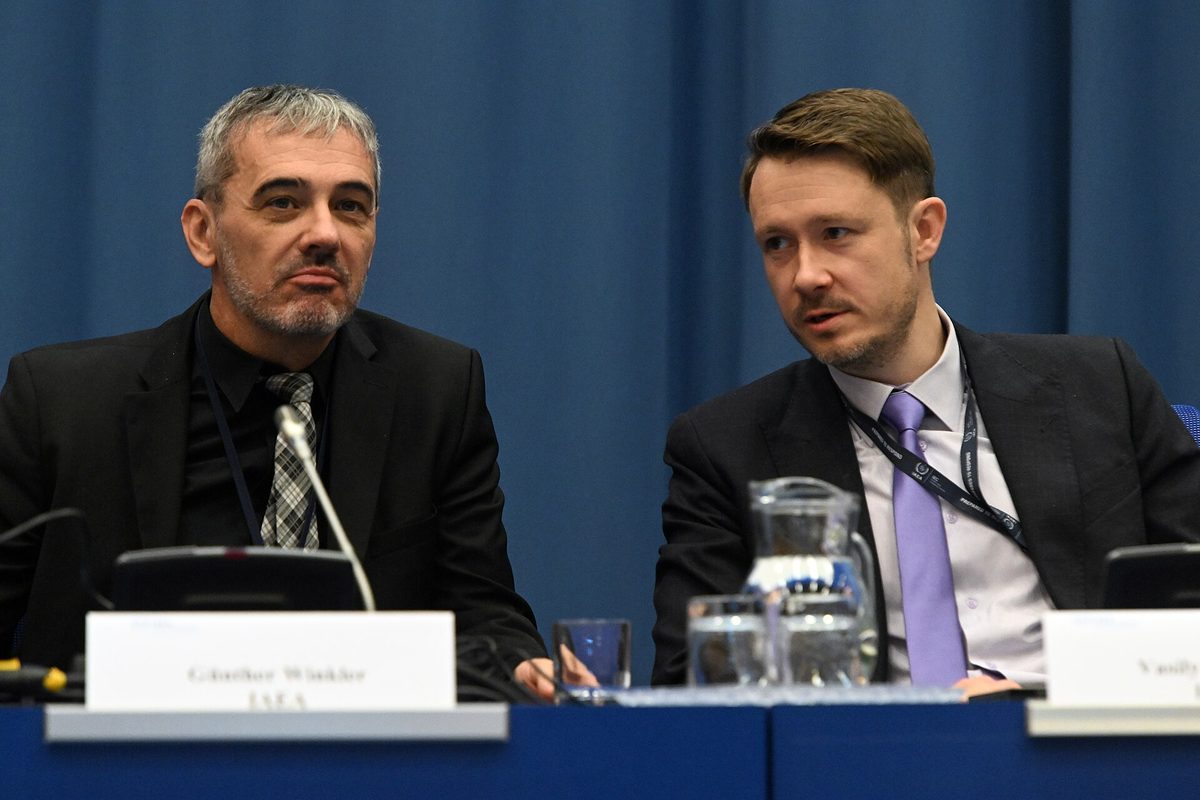
North Korea has built an extension to its original uranium-enrichment plant at its Yongbyon nuclear complex as it continues to expand its production of weapons-grade material, United Nations nuclear watchdog chief Rafael Grossi said on Wednesday. Grossi told a quarterly meeting of the International Atomic Energy Agency's 35-nation Board of Governors that the extension had been under construction since mid-September and was externally complete by late October, according to Reuters reporting carried by Q106 FM.
“Since mid-September 2026, a further extension to the original Yongbyon enrichment facility” had been under construction, Grossi said, “with the new extension externally complete by late October 2026,” without elaborating. He added that the “ongoing expansion of the DPRK's” uranium enrichment programme “remains a cause for serious concern,” using the initials of North Korea's official name, the Democratic People's Republic of Korea.
The International Atomic Energy Agency has not had access to North Korea since Pyongyang expelled its inspectors in 2009. The agency now observes the country mainly using satellite imagery, comparing images over time to track construction and identify activity consistent with operation, along with photographs and statements released by North Korean authorities.
The latest work follows the construction of a separate enrichment building at Yongbyon that the agency assessed could accommodate up to 28 centrifuge cascades, groups of connected machines that concentrate uranium. The agency identified the second building by comparing satellite imagery with photographs released by North Korea in June, which showed centrifuge equipment on both floors.
Grossi said the agency has also “observed indications” that the 5-megawatt nuclear reactor at Yongbyon that North Korea uses to produce plutonium from spent fuel probably continues to operate and is in its seventh irradiation cycle, after which the spent fuel would be removed for reprocessing. Another, light-water reactor at Yongbyon has been operating since April of this year, he added.
At Kangson, near Pyongyang, the agency observed signs that an expanded facility began operating in January 2026. North Korea is also believed to have enrichment facilities at Kusong, although the latest statement gave no comparable construction details for that site. The agency also reported indications that work to separate plutonium from used nuclear fuel, a process called reprocessing, had been completed.
The expansion has unfolded in stages. The original facility grew between 2021 and 2022, when an annex increased its total floor area by about one third. Construction of the second enrichment building began in December 2024, and its exterior was completed in May 2025. On June 3, 2026, Kim Jong-un visited a newly completed nuclear material production plant that the agency identified as the new Yongbyon enrichment facility, and on September 7, Grossi said the new facility could be operating or close to operation.
Pyongyang continues to reject demands to abandon its nuclear weapons. Kim Yo-jong, a senior Workers' Party official and the sister of Kim Jong-un, described North Korea's status as a state possessing nuclear weapons as “absolute,” called those hoping for denuclearization “idiots” and dismissed the efforts discussed at the agency conference as “familiar silly talk”
President Donald Trump has hinted at a possible meeting with Kim Jong-un during travel to Asia, with Shenzhen, China, mentioned as a possible setting, but no confirmed meeting date or agreed agenda was announced. South Korean President Lee Jae-myung has proposed talks on formally ending the Korean War, and Seoul has formally notified the agency that it intends to begin consultations on an arrangement for submarines powered by nuclear reactors.
Why it matters: The expansion matters because it widens the gap between what diplomacy promises and what North Korea is building. Every new enrichment building adds production capacity that a future deal would have to account for, and the agency has not set foot inside the country since 2009, so its picture comes from satellites and photographs. With Pyongyang calling its nuclear status absolute and Washington still talking about a meeting, the immediate question is whether any negotiation can keep up with construction that is already complete.
Reporting: Q106 FM · Asia Daily
Spot an error? Orbit News corrects articles promptly and notes the correction in the article. See our Editorial Policy, or flag an error by messaging us on Facebook, X, or Instagram.