Technology
IBM and Microsoft Launch Imagine Enterprise, an AI Agent Platform Built for Regulated Industries
The two tech giants are combining IBM's consulting muscle and Microsoft's cloud and security stack to help big companies put AI agents to work on industry-specific jobs.
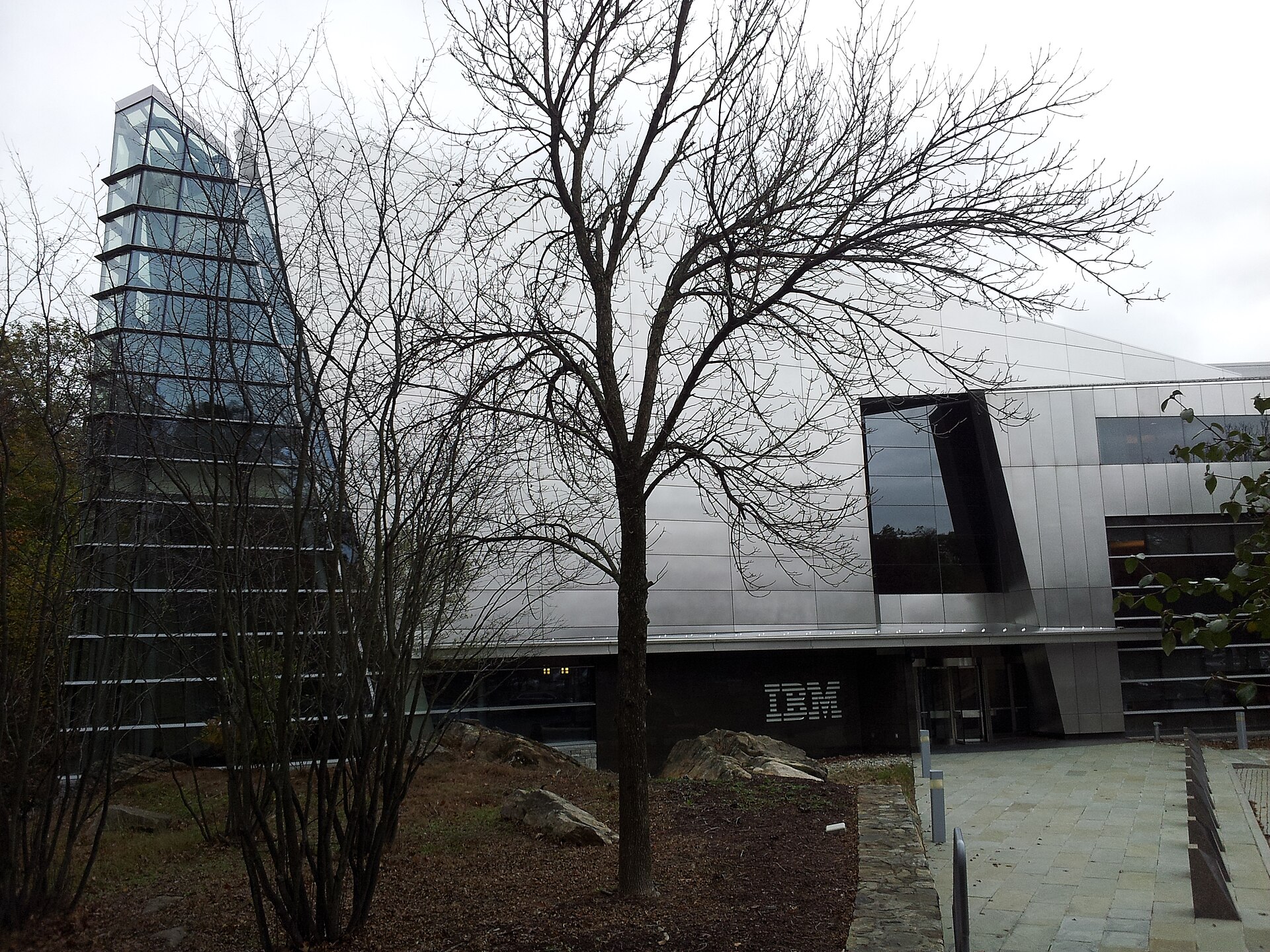
IBM and Microsoft on Tuesday unveiled a new joint platform called Imagine Enterprise, designed to help large companies build, run and govern AI agents that handle industry-specific work. The announcement, made from Armonk, New York, and Redmond, Washington, marks one of the most ambitious partnerships yet between two of the biggest names in enterprise technology, and it arrives as companies move beyond experimenting with chatbots and start asking AI to do real jobs inside their businesses.
The platform is aimed squarely at enterprises, especially those in regulated industries such as banking and insurance, where the rules around data, auditing and accountability make it hard to simply hand work to an AI system. Imagine Enterprise is built to connect AI agents to a company's own data and daily processes, so the agents can execute tasks inside the workflows people already use, rather than sitting off to the side as a separate tool.
IBM Consulting brings the people and the prebuilt parts. The company says it has more than 6,000 prebuilt AI agents and assets, built on its IBM Consulting Advantage delivery platform, along with the experience of deploying them inside large organisations. Microsoft supplies the underlying foundation: its AI models, data tools, cloud infrastructure and security technologies, which are meant to let the agents operate safely across an enterprise.
A key part of the pitch is the forward-deployed engineering support the two companies are offering on qualifying engagements. In practice, that means IBM and Microsoft engineers will work directly with a customer's teams to get agents into production, rather than leaving the customer to figure out deployment alone. It is a recognition that the hardest part of enterprise AI is no longer building a demo, but wiring a system into live operations without breaking anything.
The first industry frameworks for Imagine Enterprise cover financial services, insurance and retail. The companies say the frameworks are designed as repeatable blueprints, so the same approach can be extended to other sectors, including manufacturing, energy, the public sector and mobility. That sequencing matters: the earliest targets are industries where processes are well documented and heavily regulated, which makes them both the hardest to automate and the most valuable to get right.
One early example is SEI, a global provider of financial technology, operations and asset management services. SEI is looking to advance its enterprise transformation by exploring emerging and agentic technologies with IBM Consulting, and the companies point to that work as the kind of project Imagine Enterprise is meant to support. Financial services firms have been among the most cautious adopters of AI agents, because a mistake in a transaction or a compliance check can be expensive, so a win there would be a meaningful signal to the rest of the market.
The launch lands in the middle of a fierce race among the big technology vendors to own the so-called agentic AI market. Microsoft, Google, Anthropic and OpenAI have all spent the past year pushing agents that can plan, use tools and complete multi-step tasks, and consulting firms have rushed to package that technology for corporate buyers. IBM's bet is that its long history inside regulated industries, combined with Microsoft's cloud footprint, gives it an edge that a pure model provider cannot match on its own.
For companies watching from the sidelines, the question is whether platforms like this one can finally close the gap between AI hype and AI returns. Surveys this year have repeatedly found that many businesses struggle to show measurable payback from their AI spending, and agents that quietly do useful work inside existing systems may be the first version of the technology that pays for itself. Imagine Enterprise will be judged not on its launch-day promises, but on whether the agents it produces survive contact with real compliance departments, real legacy systems and real customers.
What happens next will depend on the early deployments. If the financial services, insurance and retail frameworks produce working agents that pass audits and save measurable time, expect the platform to expand quickly into the other industries the companies have named. If they stall, it will be another reminder that in enterprise technology, the last mile is always the hardest. Either way, the IBM-Microsoft partnership is a clear sign that the AI industry's centre of gravity has shifted from building smarter models to making those models useful inside the world's biggest companies.
Reporting: Microsoft
Spot an error? Orbit News corrects articles promptly and notes the correction in the article. See our Editorial Policy, or flag an error by messaging us on Facebook, X, or Instagram.
Related from Orbit News

Anthropic Unveils Claude Fable 5.2 and Mythos 5.2, Its Most Powerful Models Yet for Coding and Science
Technology · Nov 10, 2026
Nvidia Unveils GR00T 2, a Robot Brain That Learns New Skills by Watching Humans
Technology · Nov 10, 2026