World
Two Supertankers Disabled by Explosions in the Strait of Hormuz, Iran Says
Iran's Revolutionary Guards Navy said two supertankers carrying more than four million barrels of oil were disabled by explosions in the Strait of Hormuz on Wednesday night after using a route Tehran calls unauthorized.
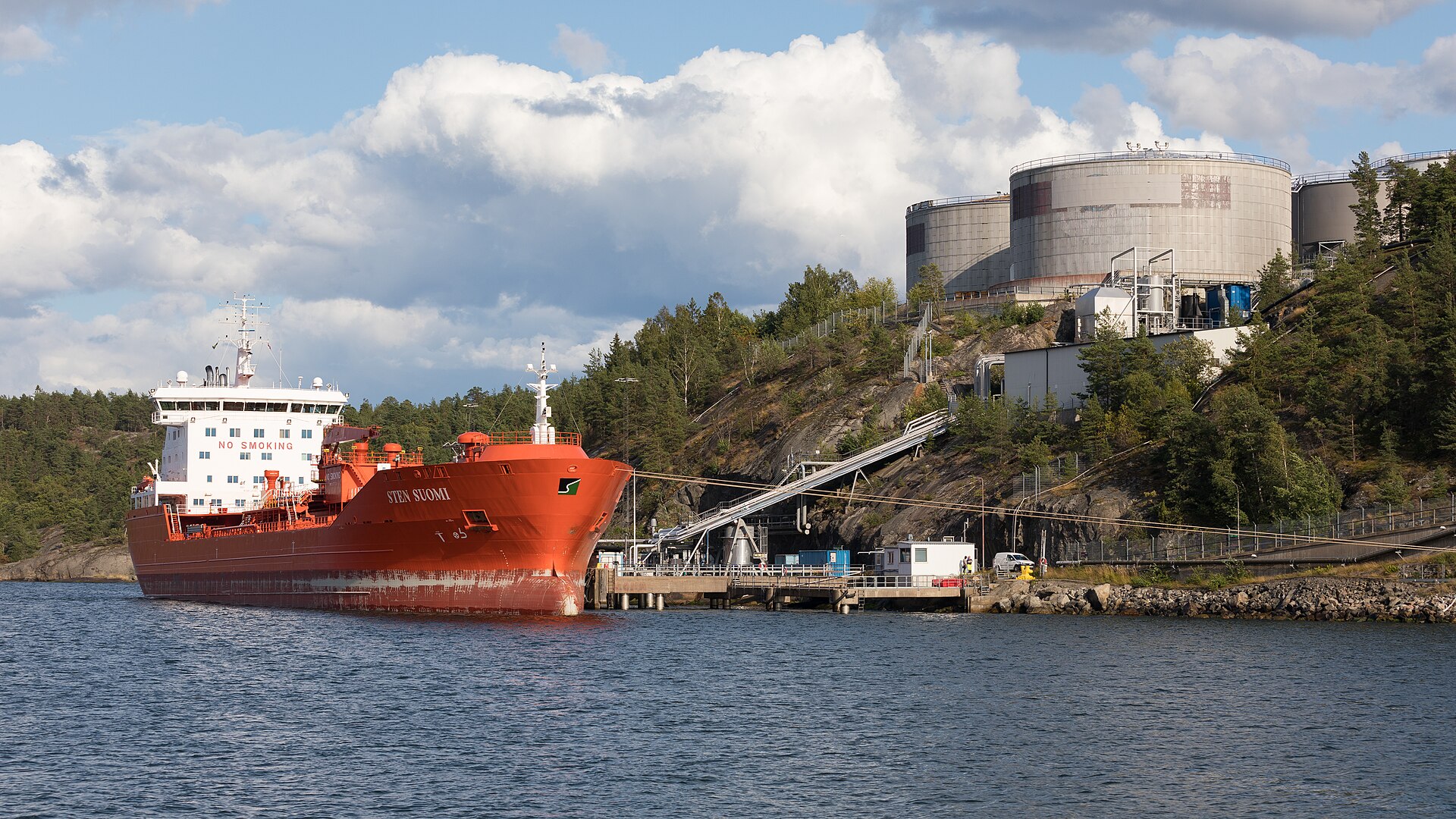
Two oil supertankers were disabled by massive explosions after they ignored warnings against using an 'unauthorised route' in the Strait of Hormuz on Wednesday night, Iran's Revolutionary Guards Navy said on Thursday, November 12. The two vessels were carrying a combined total of more than four million barrels of oil and were left burning after the blasts, according to the Guards' statement. The statement did not provide details on the cause of the explosions.
'Last night, two violating oil tankers, which had ignored repeated warnings from the Strait of Hormuz traffic control center of the IRGC Navy regarding the unauthorized and unsafe nature of the southern route, faced an incident while transiting through this unauthorized path in the Strait of Hormuz, and stopped sailing following a massive explosion,' the IRGC Navy public relations office said in a statement on Thursday. Iranian state media later said the tankers had exploded after hitting naval mines, though the Guards' own statement did not specify the cause.
The Revolutionary Guards warned other vessels against following the same route. 'Any vessel in the Persian Gulf and the Strait of Hormuz that switches off its navigation systems and cooperates with the US smuggling army in transiting the unauthorized southern route through the Strait of Hormuz will meet a similar fate,' the IRGC said. The force said the two supertankers were now burning, and issued a stark warning to vessels placing their trust in the US military, which it described as a 'smuggling' force.
Iran has declared the southern shipping lanes of the strait, near Omani waters, off-limits and mined, confining safe passage to designated northern corridors that require prior authorisation from its forces. Iranian forces say they have maintained full control over transit through the strait, through which roughly one-fifth of global oil normally passes, requiring prior authorization and confining safe passage exclusively to those northern corridors.
The incident is the latest escalation in the U.S.-Israeli war with Iran, which began in February. Iran imposed its restrictions on the strait in response to the latest round of U.S.-Israeli aggression, which began on February 28, and has said it only considers transit safe on routes validated by its armed forces. In the earlier months of the war, the IRGC Navy announced it had struck tankers directly. More recently, it has reported that vessels caught fire after hitting naval mines while using what it describes as an 'unauthorised route' in the southern part of the strategic waterway.
Neither the IRGC statement nor the early reports named the vessels or their flags, and there was no independent confirmation of what caused Wednesday night's explosions. The strait links the Gulf to the Gulf of Oman and is one of the world's most important shipping routes for energy supplies. In several cases, the United Kingdom Maritime Trade Operations agency has said tankers in the strait have been struck by unknown projectiles, a reminder that not every incident in the waterway has a confirmed explanation.
The explosions are the latest in a series of incidents in the strait since the war began. The pattern has shifted over the months: from direct strikes announced by the IRGC Navy early in the war to vessels reported to have caught fire after hitting mines on the southern route. Each incident has added to the uncertainty facing shipping in a waterway that carries roughly a fifth of the world's oil, and each has been reported first, and sometimes only, by the Iranian side.
For the shipping industry, the IRGC's message is blunt: vessels that switch off their navigation systems and use the southern route 'will meet a similar fate.' That leaves operators with an unappealing set of choices, accepting Iran's northern corridors and its authorisation process, relying on an American escort that may or may not be present, or avoiding the strait altogether. Any of those choices carries a cost, and a sustained diversion of traffic would be felt in energy prices and shipping rates within days.
Much about Wednesday night's incident remains unknown. The identities of the two vessels, their flags and the fate of their crews were not given in the statements, and there was no independent confirmation of what caused the blasts. What is known is the scale: two supertankers, more than four million barrels of oil, and a waterway through which roughly a fifth of the world's oil normally passes, now with two burning ships in it.
Why it matters: The Hormuz tanker explosions matter because the strait is the world's most important oil chokepoint, and because the incident shows Iran enforcing its blockade with mines and warnings rather than negotiation. Two supertankers carrying more than four million barrels of oil are now burning, and no one outside Tehran has confirmed what hit them, which means the next ship through the strait must decide whether to trust Iran's corridors, trust an American escort that may or may not come, or stay away entirely. If traffic avoids the strait, energy prices and shipping costs will feel it within days; if ships keep testing the southern route, more explosions are likely. Either way, the war that began in February has now made the strait itself a front line.
Spot an error? Orbit News corrects articles promptly and notes the correction in the article. See our Editorial Policy, or flag an error by messaging us on Facebook, X, or Instagram.