World
Indonesia's Vice President Gibran Resigns After Courts Challenge His Credentials
Gibran Rakabuming Raka, the son of former president Joko Widodo, handed his resignation to parliament on Thursday after court rulings challenged his educational credentials and lawmakers moved to impeach him.
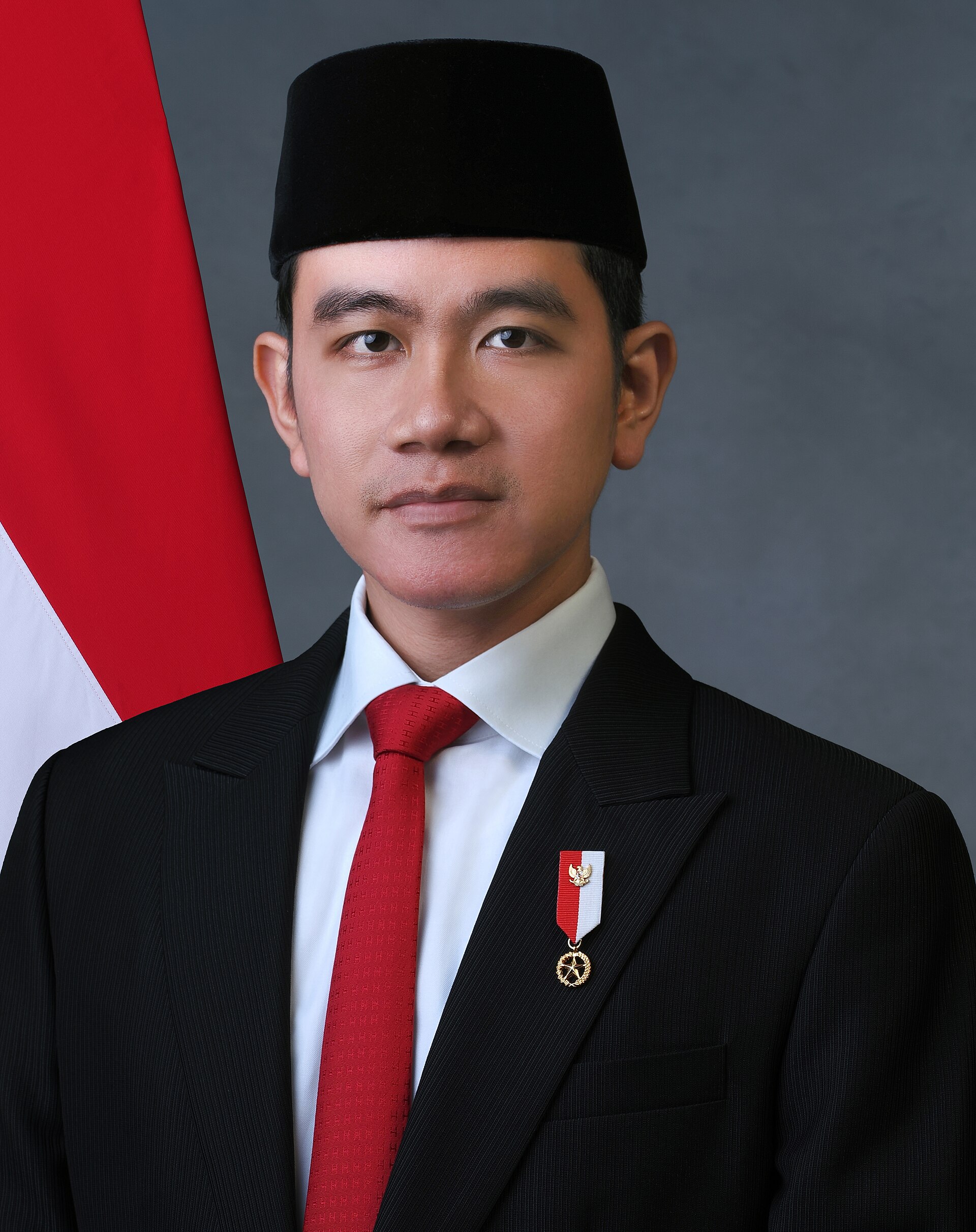
Indonesia's Vice President Gibran Rakabuming Raka handed in his resignation to the upper house of parliament on Thursday, November 12, ending days of speculation about his political future. Gibran, 39, submitted his resignation to the leadership of the People's Consultative Assembly, the country's highest legislative body, at the parliament building in Jakarta. He also submitted a resignation letter to President Prabowo Subianto. His resignation came after days of speculation about his political future.
Ahmad Muzani, speaker of the upper house, confirmed that Gibran had also submitted a resignation letter to President Prabowo Subianto, and said parliamentary leaders would now convene to discuss the next steps. Gibran made no comment as he left the meeting.
The resignation followed a push by lawmakers to impeach Gibran over his educational credentials. Last month, the Constitutional Court and the Supreme Court ruled that documents Gibran submitted concerning his overseas education did not meet election requirements. On Wednesday, 120 lawmakers from eight political parties submitted a petition to the House leadership, setting in motion a parliamentary process that could have resulted in his impeachment.
Gibran had offered to step down on Tuesday during a meeting with President Prabowo, saying he wanted to prevent a prolonged political controversy. A Cabinet minister said the president had urged him to defend himself, leaving it unclear whether Prabowo had accepted the offer. Gibran made no comment as he left the meeting, and parliamentary leaders immediately convened to begin the process of selecting a replacement, Muzani said.
The questions over Gibran's eligibility reach back to the 2024 election, when he was elected alongside Prabowo. His father, former President Joko Widodo, was accused of meddling in the process by influencing a court decision that changed the election rules, enabling Gibran to stand. Before Prabowo selected him as his running mate, Gibran did not meet the minimum age requirement of 40 for vice-presidential candidates. A controversial court ruling in October 2023 created an exception, allowing people who had served or been elected as regional leaders to contest elections at a younger age.
Indonesian election law requires presidential and vice-presidential candidates to have completed senior high school or an equivalent level of education. Because Gibran completed his secondary education abroad, he was required to submit documents proving that his qualifications were equivalent to an Indonesian high school diploma. The investigation into his academic qualifications appeared to be unrelated to probes into allegations that senior police officials were involved in wiretapping targeting the president.
Under Indonesia's Constitution, a vacancy in the vice presidency does not require a new election. The post remains vacant until the People's Consultative Assembly elects a successor from two candidates nominated by the president within 60 days. The upper house will have to hold a session to declare a vacancy, and parliamentary leaders will now convene to discuss the next steps. Muzani told reporters: 'We ask for the prayers and support of all Indonesians so that this democratic process can proceed smoothly and serve as a constructive new precedent in our constitutional system.'
Gibran's resignation came amid a deepening rift between Prabowo and Widodo, which political analysts say could further destabilise a government beset by scandals surrounding some of its signature political programmes and doubts over its ability to handle the economy. Amid the mounting political turmoil, investor sentiment weakened in Southeast Asia's biggest economy as the government's fiscal plans and broader policy direction came under heightened scrutiny.
Widodo, also known as Jokowi, moved quickly to steady the situation. Speaking to reporters in front of his home in the city of Solo, in Central Java, he said he continued to support Prabowo. 'We will continue to support President Prabowo's administration, especially programmes that serve the interests of the broader public,' Jokowi said. The show of support after the departure of the former president's son could ease signs of strain in the political alliance between Prabowo and his predecessor.
Why it matters: Gibran's resignation closes the most awkward chapter of Indonesia's 2024 election: a vice president whose candidacy depended on a court ruling that bent the age limit, now forced out by court rulings on his schooling. The constitutional machinery for replacing him is straightforward, with two names from the president and a vote within 60 days, but the politics are not. Prabowo must pick a successor who heals the rift with the Widodo camp without looking like he is still taking orders from it, and do so while investors are already nervous about his government's direction. The resignation solves the impeachment problem; whether it solves the deeper problem of a coalition built on a dynastic bargain is another question.
Spot an error? Orbit News corrects articles promptly and notes the correction in the article. See our Editorial Policy, or flag an error by messaging us on Facebook, X, or Instagram.