Technology
Google Adds Two New TPU Systems Aimed at Confidential AI and the Memory Wall
The TPU 8tx protects sensitive data while AI runs, and the TPU 8i Max doubles memory bandwidth for the giant context windows that agents demand.
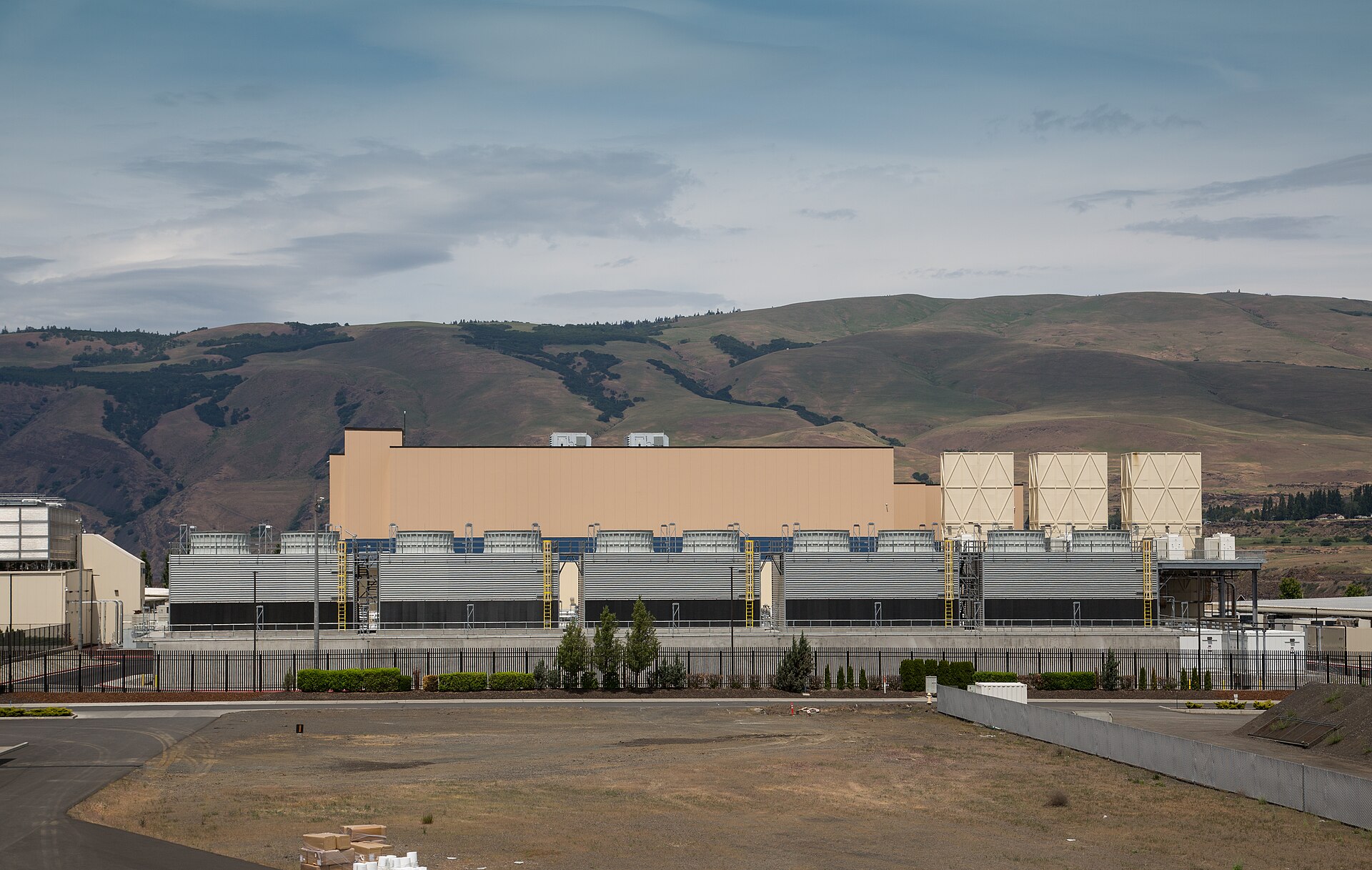
Google on Monday expanded its eighth-generation TPU portfolio with two new systems, TPU 8tx and TPU 8i Max, marking the first time the company has introduced four TPU systems in a single year. The announcement, made on the Google blog on November 9, is aimed at two of the biggest constraints facing companies that run AI at scale: protecting sensitive data while it is being processed, and feeding enough memory to the giant models and agents that now dominate the industry.
TPU 8tx, the third eighth-generation system, is built for secure and confidential inference, and it is also suited to small-scale training. It uses the same silicon as the TPU 8t training chip, paired with fifth-generation AMD EPYC host processors. The combination extends hardware-backed confidential computing protections from the host CPU to the connected accelerators, so data and model weights stay isolated while they are in use, complementing the encryption that already protects data at rest and in transit.
Google says TPU 8tx delivers up to two times lower latency than TPU 8t, with a near-zero performance penalty, a claim that comes from the company's own testing rather than an independent benchmark. The system is aimed at enterprises and government organisations handling sensitive data and proprietary models, and Google says it supports private model fine-tuning, distillation and reinforcement learning without moving sensitive data between separate clusters. That matters for banks, hospitals and government agencies that want to use AI without letting their data leave a protected environment.
TPU 8i Max, the fourth system, is built for a different problem: the memory wall. It puts two TPU 8i chips into a single package, doubling compute capacity, on-chip static memory and high-bandwidth memory bandwidth compared with the single-chip TPU 8i, while fitting twice the silicon into the same rack footprint. Google positions it for massive context windows, memory-bound inference and multi-agent work, the kinds of jobs where the model needs to hold enormous amounts of information in memory at once.
The two systems complete a lineup that Google began building at Google Cloud Next in April, when it introduced the TPU 8t for large-scale training and the TPU 8i for real-time reasoning. The company says its TPUs now serve nearly 100 customers, including frontier labs, trading firms, retailers and universities, though it named none of them. Amin Vahdat, Google's chief technologist for AI and infrastructure, has been the public face of the TPU push, which has become one of Google's most important competitive weapons against Nvidia's dominance in AI hardware.
There are limits to what the announcement proves. Google gave no general availability date, no public pricing and no list of regions where the new systems will be available. The current Cloud TPU product page still labels the TPU 8i as coming soon and does not list the two new configurations as broadly available, so this is a product announcement, not proof that every Google Cloud customer can provision either system today. Until pricing, availability and production performance are established, the enterprise benefits remain unproven beyond their architectural specifications.
The confidential computing angle is timely. An October 2026 Cloudflare AI data leak exposed cached information from earlier requests in responses delivered to other customers, a reminder that AI systems can leak data in ways that traditional software does not. Hardware-backed isolation of the kind TPU 8tx offers is one answer to that problem, though it does not eliminate application-level vulnerabilities or establish regulatory compliance on its own. Companies will still need to do the hard work of securing their own systems.
The announcement also underlines how fast the AI hardware race is moving. Google, Nvidia, AMD, Amazon and a host of startups are all racing to build the chips that will power the next generation of AI, and the competition has shifted from raw speed to specialised systems that solve specific problems: training, reasoning, confidential computing, long context. Google's four-systems-in-a-year pace is a statement of intent, and a sign that the company sees custom silicon as a permanent advantage rather than a one-off project.
What happens next will depend on when customers can actually use the new systems, and at what price. Google has not said when TPU 8tx or TPU 8i Max will be generally available, and the first real test will be whether the promised latency and memory improvements show up in production workloads rather than in the company's own demonstrations. If they do, the systems could become a serious alternative for the companies that run the world's largest AI workloads. If they do not, they will join a long list of impressive announcements that arrived before the hardware was ready.
Reporting: Google Blog
Spot an error? Orbit News corrects articles promptly and notes the correction in the article. See our Editorial Policy, or flag an error by messaging us on Facebook, X, or Instagram.
Related from Orbit News
IBM and Microsoft Launch Imagine Enterprise, an AI Agent Platform Built for Regulated Industries
Technology · Nov 10, 2026
Anthropic Unveils Claude Fable 5.2 and Mythos 5.2, Its Most Powerful Models Yet for Coding and Science
Technology · Nov 10, 2026