World
Fiji Declares a National State of Disaster as El Niño Drought Drains Water Supplies
Prime Minister Sitiveni Rabuka declared the nationwide emergency on Wednesday, unlocking FJ$20 million for water, farmers and remote island communities as dry conditions are forecast to last into April.
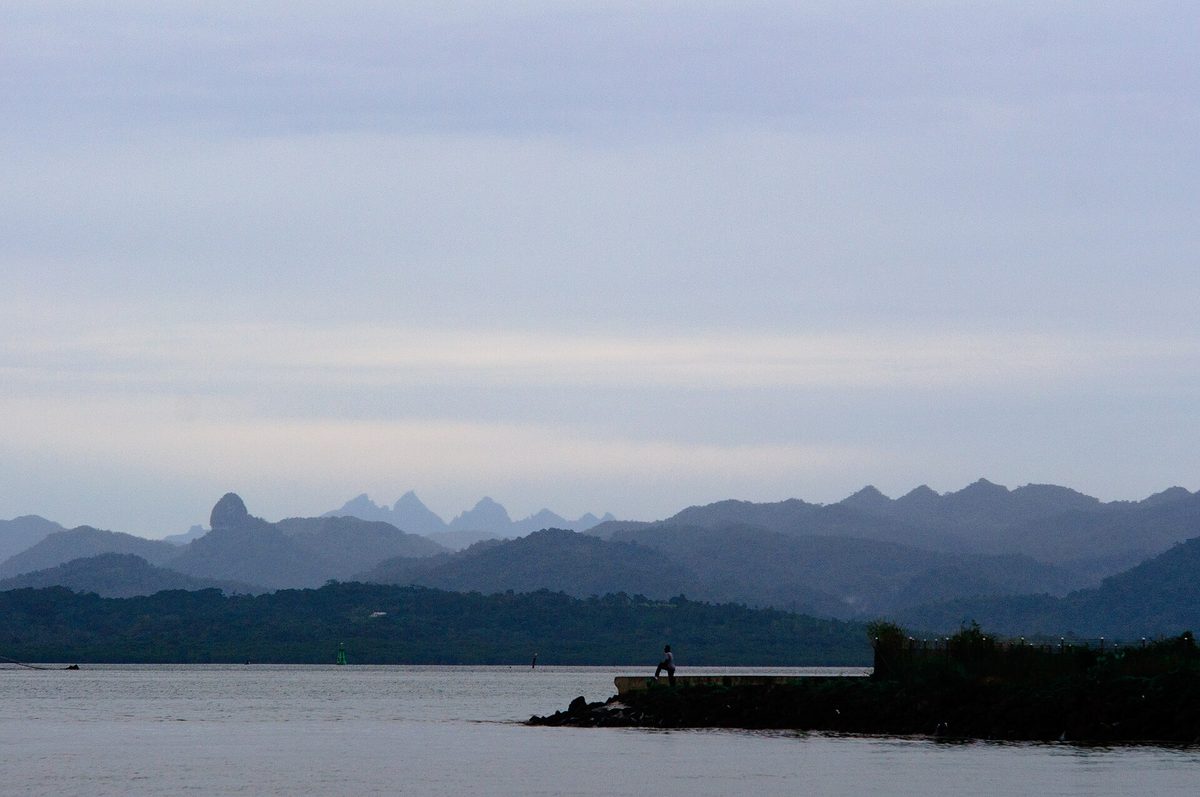
Fiji has declared a national state of disaster after an El Niño-driven drought caused widespread water shortages, with the Pacific nation's weather bureau forecasting below-normal rainfall until at least April. Prime Minister Sitiveni Rabuka announced the declaration in a national address on Wednesday, Nov. 18.
In the address, Rabuka said Cabinet, on the advice of the National Disaster Risk Management Council, had approved the declaration of a National State of Disaster covering the entire Republic of Fiji under section 91 of the National Disaster Risk Management Act 2024, in response to the ongoing El Niño drought. The declaration will remain in force for the period specified in it, which must not exceed 30 days, and Cabinet may extend or revoke it on the advice of the Council.
Rabuka said his government has set aside 20 million Fiji dollars for the national response, redeployed from existing funds, to ensure emergency water supplies for families and farmers. The funding will support emergency water supplies, assistance to affected communities, support for farmers and livestock owners, and other urgent interventions arising from the prolonged dry conditions.
Government assistance has already been underway throughout the drought. Over the past month, the government has delivered more than two million litres of emergency water to affected maritime communities, and the Water Authority of Fiji has also been supplying emergency water to affected communities on the mainland. The Ministry of Agriculture, Waterways and Sugar Industry has rolled out six initiatives to assist farmers, covering emergency water and irrigation, livestock feed, climate resilient planting materials and seed, sugar sector drought protection, household and community food security, and sustainable agricultural practices.
The Ministry of Women, Children and Social Protection has increased the monthly eTransport top-up under the Transport Assistance Scheme to assist eligible beneficiaries with rising transport costs during the ongoing El Niño impacts. The increase applies to older persons holding purple eTransport cards and persons with disabilities holding green eTransport cards.
"I know that families across Fiji are concerned about the availability of water and the effects of prolonged dry conditions on their daily lives." Rabuka said. "Farmers are worried about their crops and livestock, while communities, particularly in remote and maritime areas, face growing pressure on their water supplies. These concerns are real."
El Niño is a natural climate pattern in which surface temperatures in the central and eastern Pacific Ocean become unusually warm, causing weather extremes around the world, including drought in some regions and flooding in others. Some scientists say global warming may increase its intensity. Fiji's national weather bureau warned in October that strong El Niño conditions persist across the tropical Pacific, and rainfall is likely to remain below normal from November through April, while daytime temperatures are expected to exceed normal levels through January across most of the country.
The U.S. Climate Prediction Center said last week that El Niño is strengthening, with a greater than 79% chance of a strong-to-very-strong event through January to March. Australia in June said El Niño could intensify in the second half of 2026 to become one of the strongest in seven decades.
The declaration strengthens the arrangements through which the government mobilises resources, coordinates assistance and supports communities facing increasing hardship, and it builds on the response already underway while providing for its escalation as needs increase. In accordance with the law, the declaration will be announced through public broadcasts across all media platforms and published in the Government Gazette. Particular attention will be given to remote and maritime communities, and to people who face additional difficulties accessing water and essential services.
The government says it will keep assessing needs and adjusting assistance as conditions change, and it will continue working with development partners, humanitarian organisations, the private sector, faith-based organisations and community representatives. Rabuka also urged households to conserve water, repair leaking taps, keep stored water clean and covered, and avoid unnecessary burning, warning that in dry conditions fires can spread quickly and threaten homes, farms and communities.
Why it matters: Fiji's declaration is one of the clearest signs yet of how the 2026 El Niño is biting across the Pacific: a whole country, not just a region, has now put itself on a formal emergency footing over water. The 30-day clock matters because the forecasts say the dry weather will outlast it by months, so the declaration is really a test of whether the government's water carting, farm support and transport help can reach the remote and maritime communities that suffer first and loudest. It is also a warning for the region: with the U.S. Climate Prediction Center putting the odds of a strong-to-very-strong El Niño above 79% through March, other Pacific nations are likely to face the same choices Fiji just made.
Reporting: Reuters · Fiji Government
Primary source: Government of Fiji
Spot an error? Orbit News corrects articles promptly and notes the correction in the article. See our Editorial Policy, or flag an error by messaging us on Facebook, X, or Instagram.